
Do you realize how important travel vaccinations are for you and your family? Many people only consider vaccines when traveling to a developing country, but exposure to unfamiliar viruses can happen anywhere you travel internationally. A family vacation can be a once-in-a-lifetime experience—so why risk your health? I’ve partnered with I Vaccinate to share my story; this content is sponsored by I Vaccinate.

Reasons Travel Vaccinations Are Important Before Traveling Internationally
Last year we took a family trip to Europe. Our visit to Disneyland Paris was a memorable vacation with our teen boys. I recently shared eight essential things to do before traveling internationally, and one of the most important tips is to be up-to-date on vaccinations before you go. Fortunately, our boys already had the recommended immunizations, so that was one less thing to worry about.
I know many parents are cautious about vaccinating their children, and researching vaccines carefully is important. That’s why I rely on I Vaccinate for credible, science-based information. I Vaccinate offers guidance on recommended vaccines, timing, and how each shot helps protect growing children. Their resources and tools help parents make informed decisions to keep families healthy.

Before any international trip, it’s wise to consult trusted resources like I Vaccinate. For example, recent reports show mumps cases in England rising to a 10-year high, with thousands of cases reported. Knowing this kind of information ahead of time helps you prepare. Since our family is vaccinated, I feel reassured. As we plan more international travel, I’ll continue to use reliable sources to stay informed about outbreaks and vaccine recommendations.

International Travel Exposes You to Different Viruses
Traveling outside the United States often means encountering organisms and viruses your body hasn’t seen before. Advice like avoiding tap water in some countries doesn’t always mean the water is dangerous—rather, your digestive system may not be accustomed to local organisms and can react. Similarly, you might encounter diseases abroad that are rare or absent at home.
For instance, measles has resurged in parts of Europe. Although it can appear mild in some people, measles can cause serious complications. Just because you haven’t seen a case locally doesn’t mean the disease doesn’t exist elsewhere. Vaccination helps protect you from exposures that are more common internationally than in the U.S.

Vaccinations Protect Others, Too
One of the most important reasons to vaccinate is protecting people who cannot be vaccinated or who are immunocompromised. A mild illness in a healthy person can be devastating for someone with weakened immunity. If a vaccinated person unknowingly carries and spreads a disease, vulnerable people—infants, pregnant individuals, the elderly, or those with chronic illnesses—may face severe or even fatal complications.
Keeping vaccinations current protects your family and your community. Before travel, consider who you may come into contact with at home and abroad and how your vaccination status contributes to their safety.

Travel Should Be About Memories, Not Illness
No one wants to remember a dream trip for getting sick. If you’re investing time and money in travel, make health part of the plan. Vaccines are a simple, effective step to help ensure your trip is enjoyable and safe. They protect you, your family, and those you’ll encounter so your memories are positive and worry-free.
If you have questions about vaccinations before traveling internationally, talk with your doctor or your child’s pediatrician. You can also find information about vaccine-preventable diseases and recommended vaccines from trusted public health resources.
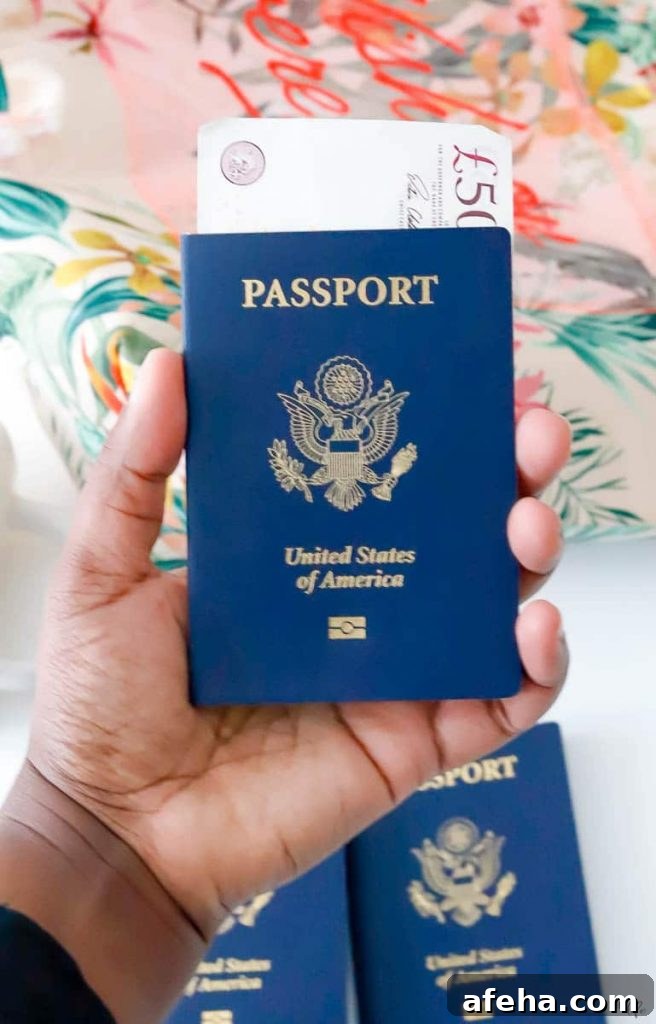
Planning an international vacation can feel overwhelming, but knowing your family is protected brings peace of mind. That reassurance lets you focus on making happy memories together.