If we’ve met, you probably know us as smiley, often giggly, veggie-loving twin sisters who are pretty much “what you see is what you get.” We joke about our wicked sweet tooth—especially Lyssie’s long, sharp left canine—and how hard we work to keep it in check. It’s usually tough to ruffle our feathers. That is, until someone tampers with our food—or the food and health of everyone else. Our recent findings on GMOs have left us more than disheveled.
Welcome to 2016 and the unsettling reality many of us experienced, when campaigns and petitions fought to stop legislation that would allow companies to sell food without labeling whether it contains genetically engineered ingredients—commonly called GMOs. Often referred to as the DARK Act (“Deny Americans the Right to Know”), this measure was backed by parts of the food industry and attempted to block GMO labeling laws that require transparency about genetically engineered ingredients.
If someone wants to keep you in the dark, they may have something to hide.
It’s hard to believe we still have to fight for the right to know what’s in the food we buy. Simple questions deserve simple answers: Was this food genetically engineered? Were chemical fertilizers used? Was it sprayed with known carcinogens?
As registered dietitians, many of our clients ask about GMOs and want to understand them fully. Genetically modified foods are produced by inserting genes from one species into another unrelated plant or animal. These foreign genes can come from bacteria, viruses, insects, or animals. While the topic is controversial, it’s important to separate facts: some genetically engineered foods have beneficial traits—like added vitamins—while others raise legitimate health and environmental concerns.
Several advocacy groups, including the Non-GMO Project and GMO Inside, report links between certain GMOs and health problems such as tumors, allergic reactions, liver toxicity, and even death. While debates continue, the concerns are significant enough to merit public awareness and scrutiny.
Why might GMOs cause harmful effects?
Many genetically engineered crops are designed to be glyphosate-tolerant. That means they can be sprayed repeatedly with glyphosate—the active ingredient in widely used herbicides like Monsanto’s Roundup—without dying. Glyphosate has been classified by some agencies as a probable human carcinogen, and it’s used on an estimated 90–95% of U.S. corn, soybeans, sugar beets, cotton, alfalfa, and canola. As a result, trace residues can remain in food, and animals raised on GE feed may also accumulate exposure.
Is there an upside? Yes: glyphosate-tolerant crops allow farmers to control weeds without harming the crop. The practical benefit is reduced competition from weeds and potentially lower production costs.
The downside is significant. Glyphosate and its breakdown products can remain in food, and widespread use has contributed to the development of glyphosate-resistant weeds. That resistance often leads to increased herbicide use, creating a cycle of heavier chemical application and greater potential human and environmental exposure.
What does this mean for our health? More chemicals on crops can mean more carcinogens and other harmful residues in our food. Over time, this exposure may have broad health implications.
Experts note that glyphosate-tolerant GE crops have become increasingly common over the past twenty years, and ongoing research suggests a range of potential human and ecological risks. Research collections and expert summaries have linked glyphosate exposure to issues such as endocrine disruption at very low levels, increased birth defects and childhood cancers in areas with heavy airborne spraying, embryo malformations in vertebrates, toxicity to human liver and placental cells, disruptions in beneficial gut bacteria, liver and kidney damage in animal studies, and possible associations with chronic kidney disease in humans in certain regions.
Some studies and groups have also suggested possible links between glyphosate exposure and neurodevelopmental disorders, though research is ongoing and complex.
Which foods are most affected?
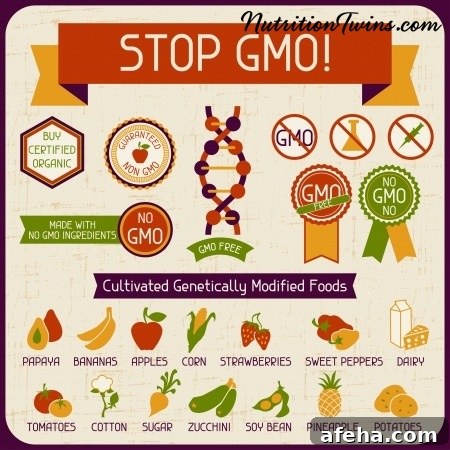
Corn, soybeans, sugar beets, cotton, alfalfa, and canola are widely genetically engineered. Many processed foods contain ingredients derived from these crops, including items with corn syrup, soy-derived oils, or sugar from sugar beets. Animal products—poultry, beef, and pork—often come from animals fed GE grains. Therefore, thousands of everyday products, from ketchup and salad dressing to chips and cookies, may contain GE-derived ingredients.
Learning this can be unsettling. We felt deceived and discovered that foods we once trusted sometimes contain unwanted residues. For example, conventionally grown turnips and other crops can have glyphosate residues, and packaged products like sardines in soybean oil may introduce GE-derived ingredients into otherwise healthy choices. That realization prompted a pantry overhaul and more careful label scrutiny.
What can you do?
- Look for Non-GMO Project Verified products. When possible and affordable, choose organic—especially for foods that are commonly genetically modified.
- Share what you learn with friends and family. Many people are unaware of glyphosate and GE crops; raising awareness can motivate better choices and greater demand for safer alternatives.
- Support companies that prioritize transparency and provide healthier, non–glyphosate-laced options. Growing consumer demand will encourage more businesses to offer safer products and innovate better alternatives.
Most people are unaware of the extent of glyphosate use; once informed, many choose to avoid it. Educating others and making informed purchasing decisions can help drive change in the food system and prioritize health and transparency for everyone.