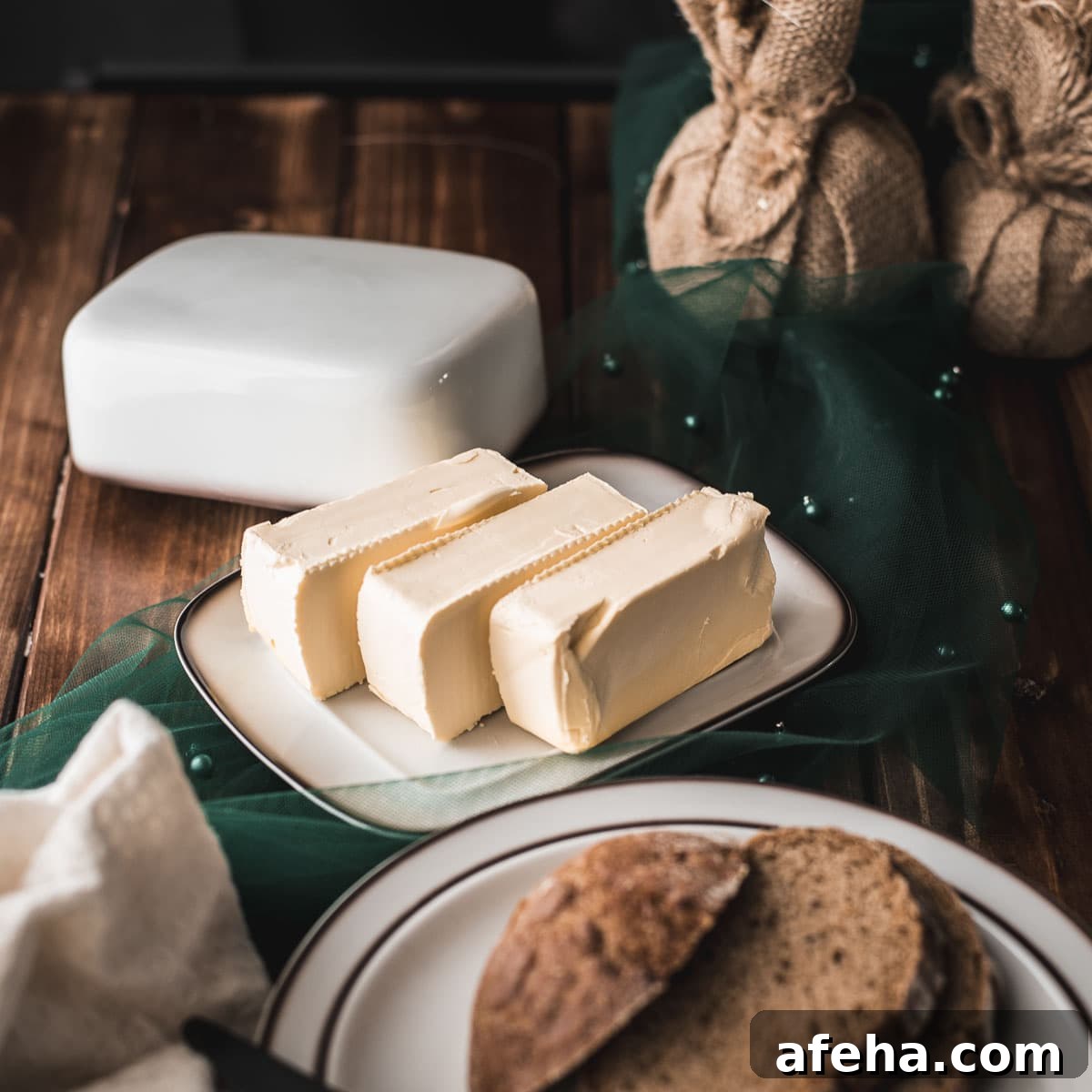
We all love butter, but when you’re ready to bake and discover your butter is rock hard, it can slow you down. Below are five fast, reliable ways to soften butter so you can get back to baking quickly.
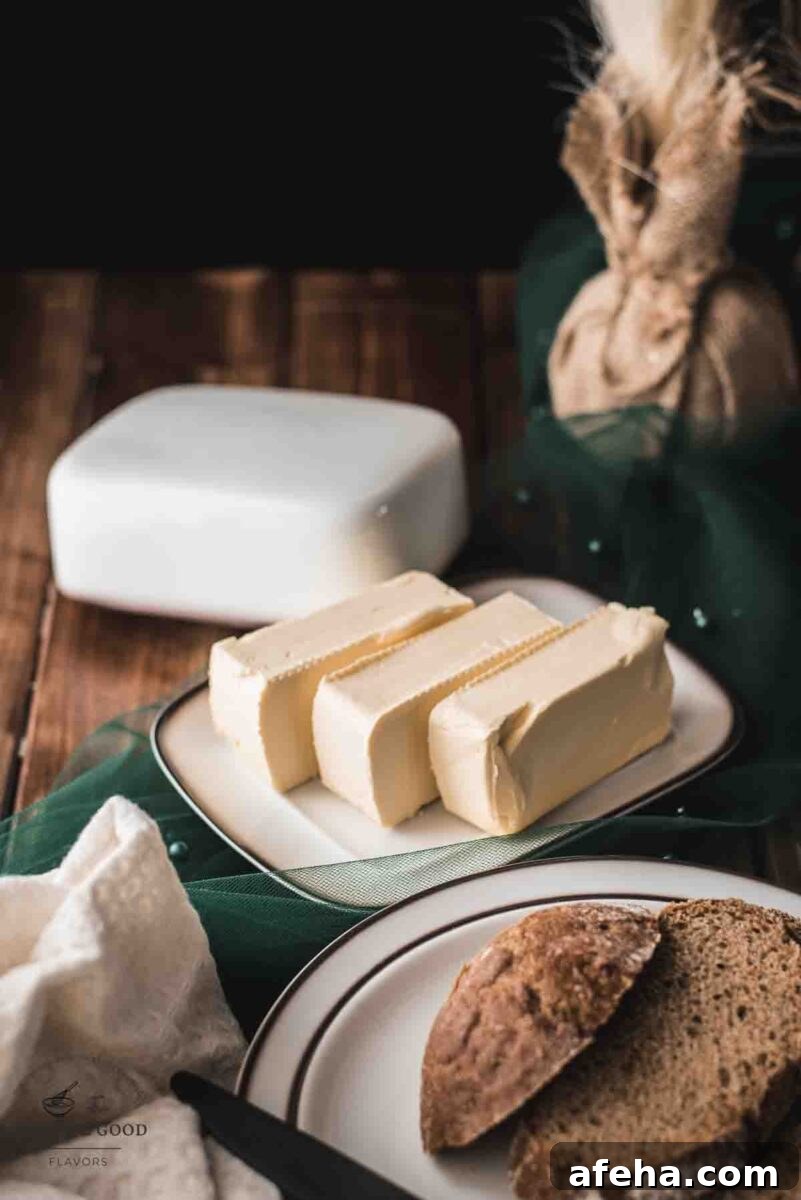
Whether you’re about to make cookies or in the middle of a cake batter, forgetting to take butter out of the fridge is a common kitchen hiccup. Instead of waiting for ages or melting your butter entirely, try one of these simple techniques to bring it to the right consistency fast.
Why Softened Butter Matters in Baking
Softened butter is essential for many baking tasks. Trying to cream cold butter with sugar is difficult and often impossible. Here’s why room-temperature butter improves your results:
- Soft butter creams smoothly with sugar, creating the airy, tender base that many cookies and cakes rely on for a light crumb and delicate texture.
- It blends evenly into batter or dough, preventing pockets of cold butter that can cause uneven baking and texture.
- Recipes rise better when butter is softened—cold butter can slow chemical leavening reactions, producing denser results. Properly softened butter helps achieve a lighter, fluffier final product.
In short, when a recipe calls for softened or room-temperature butter, following that instruction helps deliver consistent mixing, better rise, and the right crumb and flavor.
Quick Methods to Soften Butter
Here are five effective ways to soften butter quickly. Choose the one that fits the tools and time you have.
Microwave Method
Fast and convenient if you have a microwave—use low power to avoid melting.
- Cut butter into small cubes or slices.
- Place on a microwave-safe dish.
- Microwave on low power for 10–15 seconds.
- Check and add 5–10 seconds more if needed. Aim for soft and spreadable, not melted.
Hot Water Method
A gentle technique using indirect heat.
- Cut butter into small pieces and place in a heatproof bowl.
- Fill a saucepan with hot (not boiling) water and set the bowl on top so it sits above the water.
- The steam and residual heat will soften the butter in a couple of minutes. Remove once soft.
Room Temperature Method
The simplest approach if you can plan ahead.
- Remove butter from the refrigerator and let it sit on the counter for 30 minutes to an hour.
- It will gradually reach room temperature and become workable for creaming and spreading.
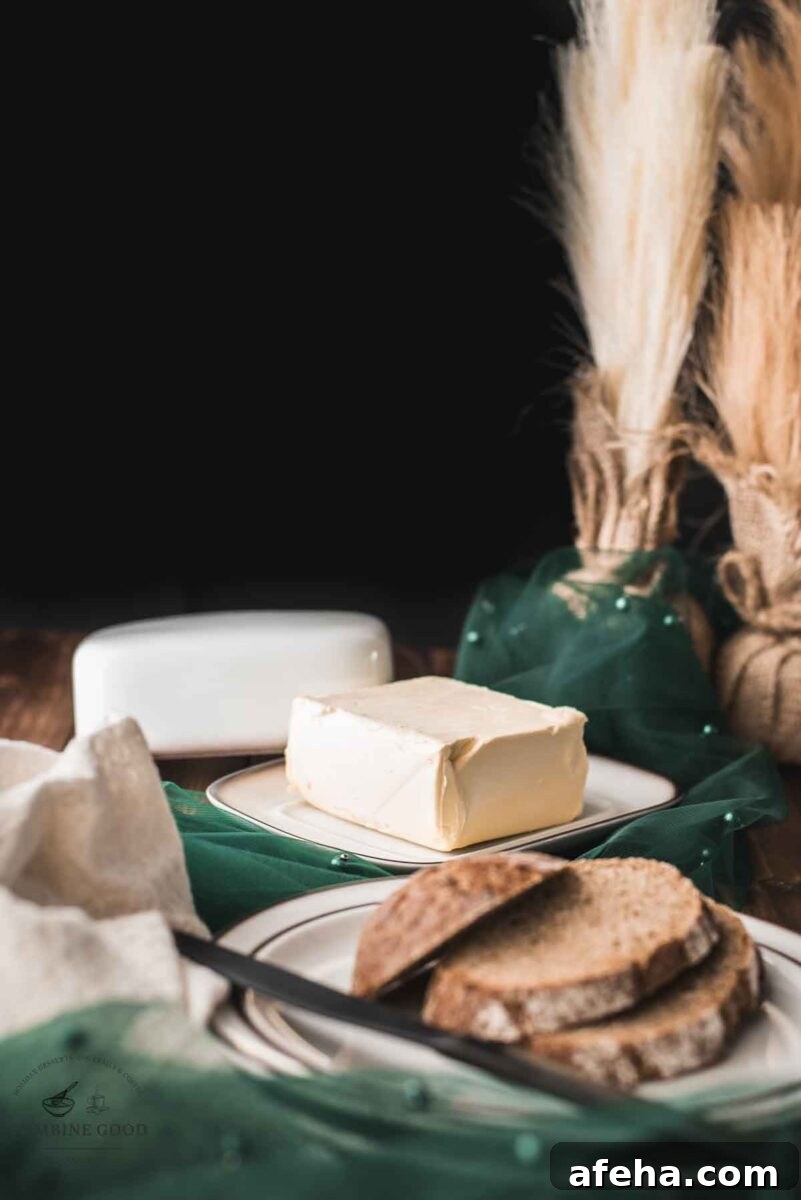
Rolling Pin Method
Great when you don’t have a microwave or hot water—use pressure to speed softening.
- Place butter on a cutting board and cover with parchment paper or plastic wrap to keep surfaces clean.
- Press and roll gently with a rolling pin (or a clean wine bottle) until the butter flattens and softens.
Grater Method (In a Pinch)
If you’re really short on time, grating creates small pieces that warm quickly.
- Use the large holes of a box grater to grate cold butter.
- The small shreds will come to room temperature almost immediately and are easy to incorporate into dough or batter.

Ways to Use Softened Butter
Softened butter is versatile—here are some common uses:
- Use in recipes that specify room-temperature butter, such as cookies, cakes, and enriched breads.
- Drizzle or brush it over warm popcorn for a rich snack.
- Stir into mashed potatoes or cooked cauliflower for a creamy finish that blends in quickly.
With these methods, you’ll always have spreadable, bake-ready butter when you need it. Happy baking!
Other Recipes for You to Try
- Best Cookie Scoop
- Chocolate Making Tools
- Baking Basics for Christmas Cookie Baking
- Three Ways to Make Vanilla Sugar at Home
- Types of Cocktail Shakers
- How Much Lemon Juice Is in One Lemon?
- KitchenAid Mixer Attachments Uses
- Choosing the Perfect Tall Glassware
- How to Make Lavender Sugar
Robin Donovan is a cookbook author, recipe developer, food photographer, and creator behind a food blog where she shares approachable recipes. Download her ebook of favorite Chinese takeout recipes to try at home.