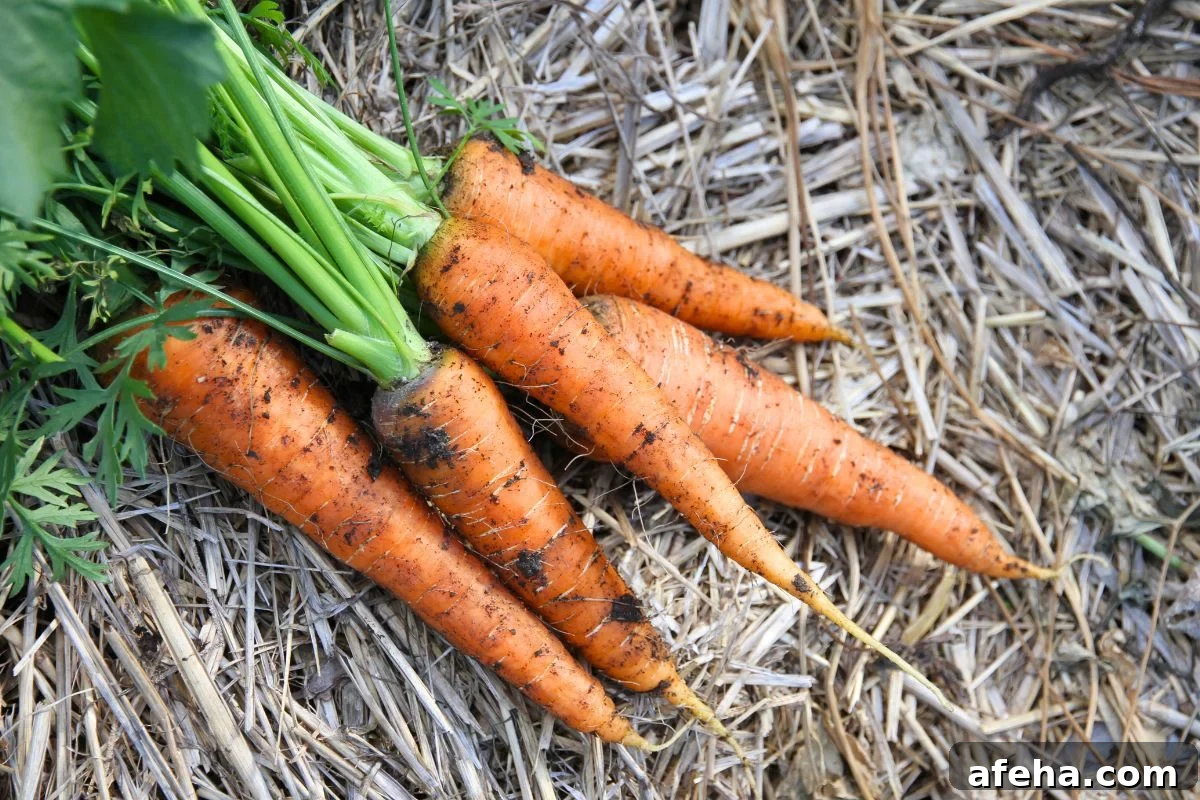
Discover a simple, low-effort method to plant carrots from seed so you can harvest more with less work. These practical tips reduce the time and physical effort required to grow carrots at home while still producing great results.
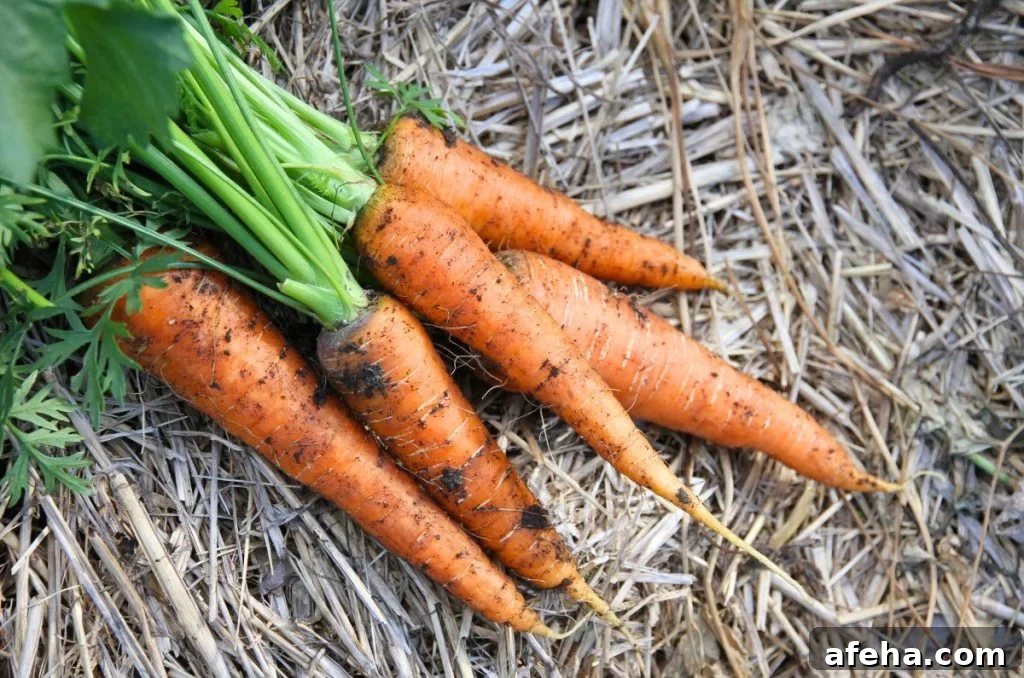
When I began gardening as an adult, I needed techniques that conserved energy and time. Chronic illness limited my stamina, so I developed ways to make gardening manageable without sacrificing productivity.
Gardening can be straightforward, but it still demands effort. I looked for shortcuts that reduced repetitive, strenuous tasks—especially for carrots, which are known to require patience and precision.
While no method eliminates all work, I’ve found approaches that let me grow hundreds of pounds of carrots each year with far less strain.
Carrots can frustrate gardeners, but the payoff—homegrown flavor and reliable harvests—makes it worthwhile.
Why Carrots Can Be Difficult to Grow from Seed
I have a love-hate relationship with carrots: the flavor is unbeatable, but planting, thinning, and maintaining them is tedious. The following points outline why carrots often pose a challenge for home gardeners:
- Carrot seeds are tiny, and it’s easy to sow them too densely.
- They need to be lightly covered with soil; too deep and they won’t germinate.
- Maintaining steady moisture over lightly covered seed can be difficult.
- Seeds germinate slowly and seedlings stay small for 4–6 weeks, giving weeds time to grow.
- Carrots require multiple thinnings to allow roots room to develop.
Despite these challenges, a few strategic techniques can substantially reduce the workload and increase success.
Tips on Choosing the Best Carrots for Your Garden
Variety selection matters. Different carrot types perform better in certain soil textures, so choose varieties suited to your garden to improve yields and reduce problems.
Best Carrot Varieties for Clay Soil
Clay soil favors shorter, thicker carrots because they expand outward rather than pushing deep into compacted soil. Longer varieties may fork or split when they hit resistance.
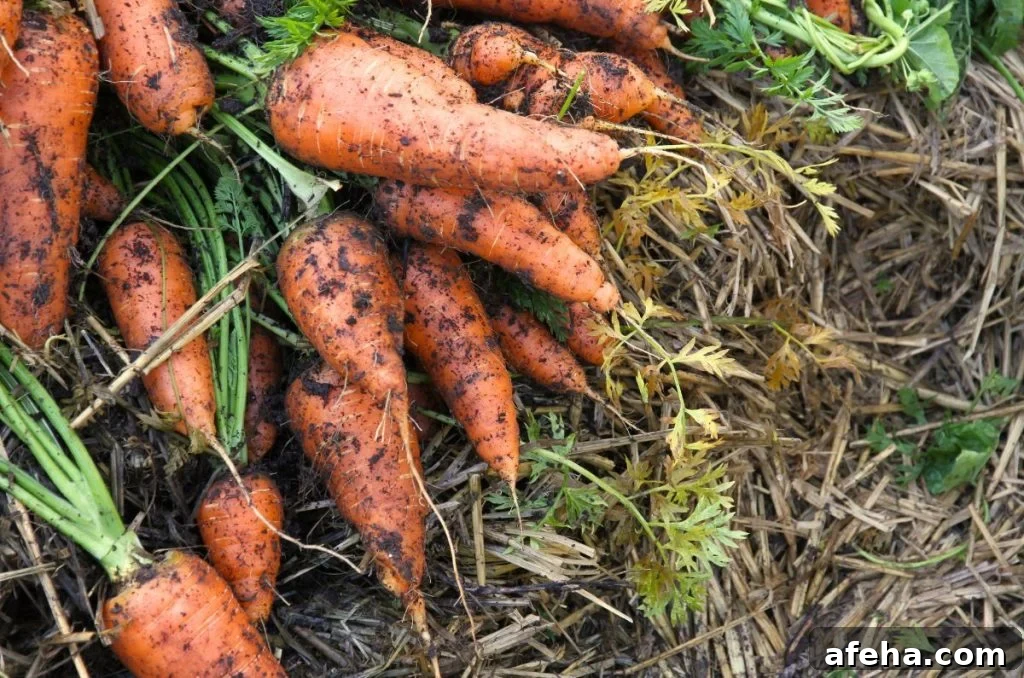
Try varieties such as:
- Atlas (Paris Market and other round-root types)
- Chantenay
- Danvers
- Kuroda
- Scarlet Horn
Carrot Varieties for Loamy Soil
Loose, loamy soil allows long, slender carrots to reach their full shape. If your soil is deep and well-drained, you can grow virtually any carrot type, especially the long root varieties.
- Dragon
- Imperator
- Mokum
- Nantes
- Yellow Stone
Types of Carrots for Stony Soil
Stony ground can cause forks or multiple tap roots. In rocky conditions, choose the same stubbier varieties recommended for clay soil—those tolerate obstacles better and still produce usable roots.
Tips for Easy Planting and Growing Carrots
- Loosen the soil well before planting; carrots prefer loose, friable earth.
- Sow carrots in cool weather—about 2–3 weeks before your last average frost date.
- Mulch the bed before planting to suppress weeds and conserve moisture.
- Under-seed rather than over-seed to reduce excessive thinning later.
- Scatter a light layer of loose soil over seeds by hand to give them a shallow cover.
- Keep the bed consistently moist until seedlings are well established.
Easy Way to Plant Carrots from Seed
Step 1: Prepare the Garden Soil for Planting
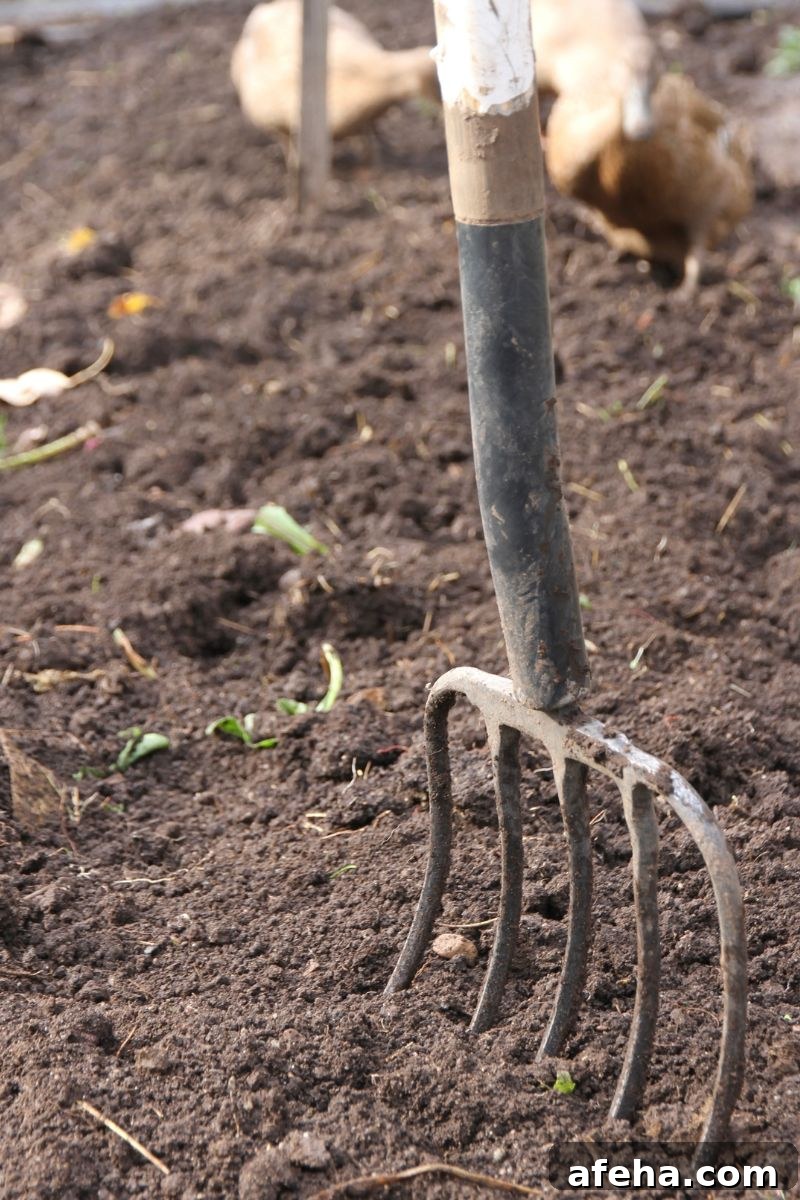
Work beds with a pitchfork or broadfork to break up compacted soil so roots can develop without obstruction. Remove weeds while preparing the bed.
Step 2: Shape Wide Garden Beds for Carrots
Form free-standing beds 6–8 inches high and at least 24 inches wide. Loose, elevated beds improve drainage and make it easier for carrot roots to move through the soil.
Keep beds narrow enough to reach the middle for thinning and harvesting. Beds can be a few feet long or run the length of your garden—whatever works for access and maintenance.
Step 3: Mulch Your Free-Standing Garden Beds
Apply 1–2 inches of straw mulch before sowing. Straw resists molding, is usually free of weed seed, and helps retain moisture while seedlings establish.
Cover the bed surface and sloping sides down to the pathways. Mulch suppresses weeds until seedlings are large enough to compete and slowly adds organic matter as it decomposes.
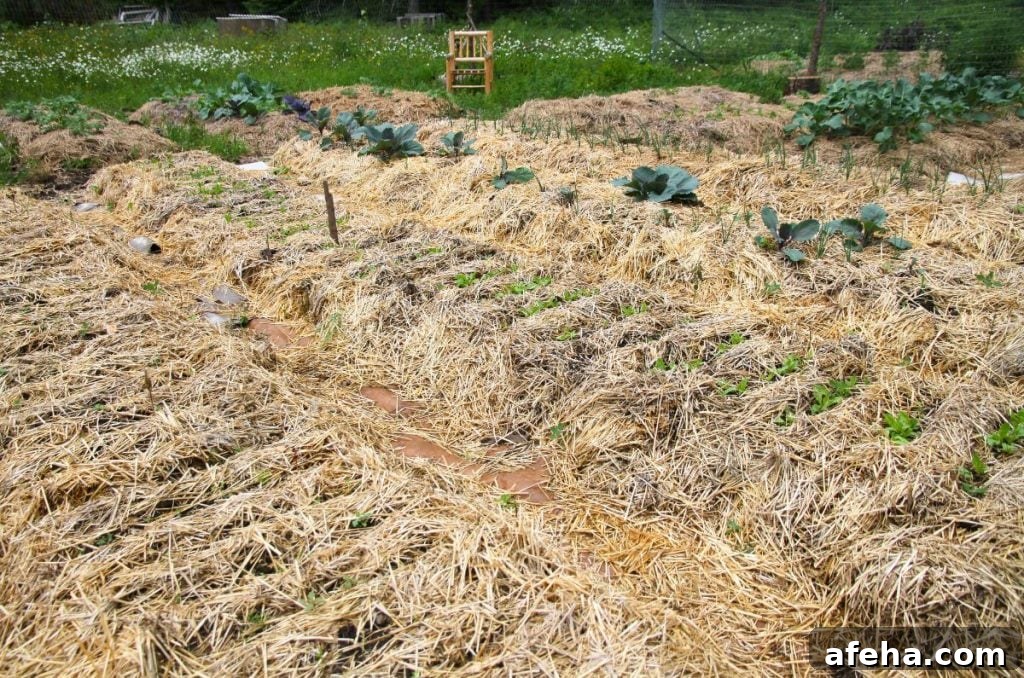
Step 4: Create Rows in the Mulch for Planting
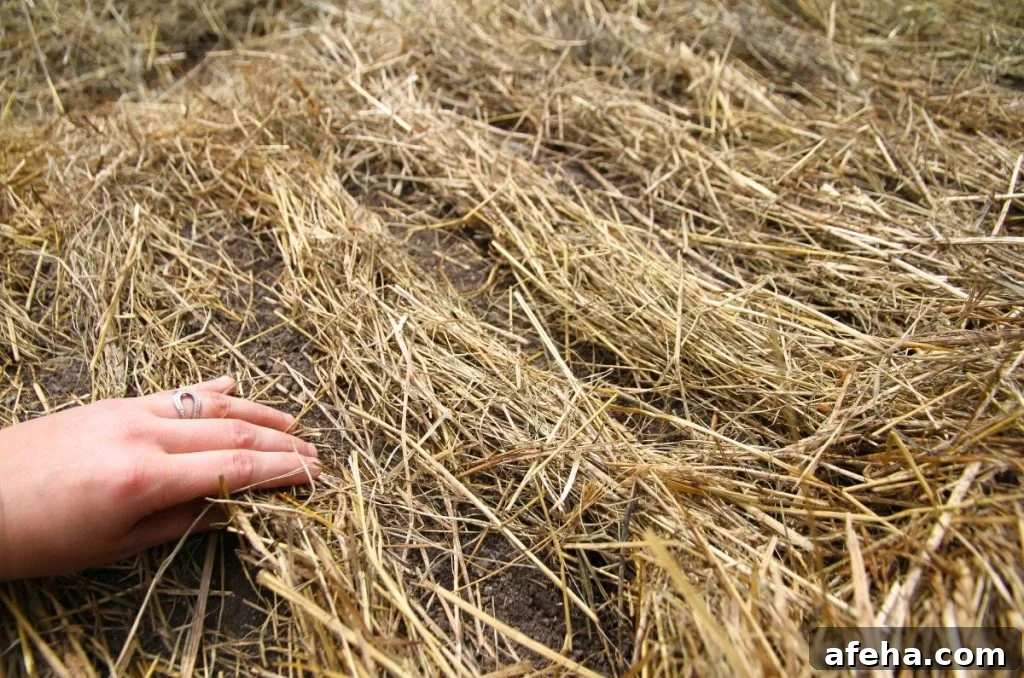
Part the mulch with your hands to expose bare soil and form planting rows. Don’t sow directly into the mulch—row spacing depends on your variety, so check the seed packet for specifics.
Make rows across the bed width so you can plant continuously without stepping into the bed.
Step 5: Plant Carrot Seeds
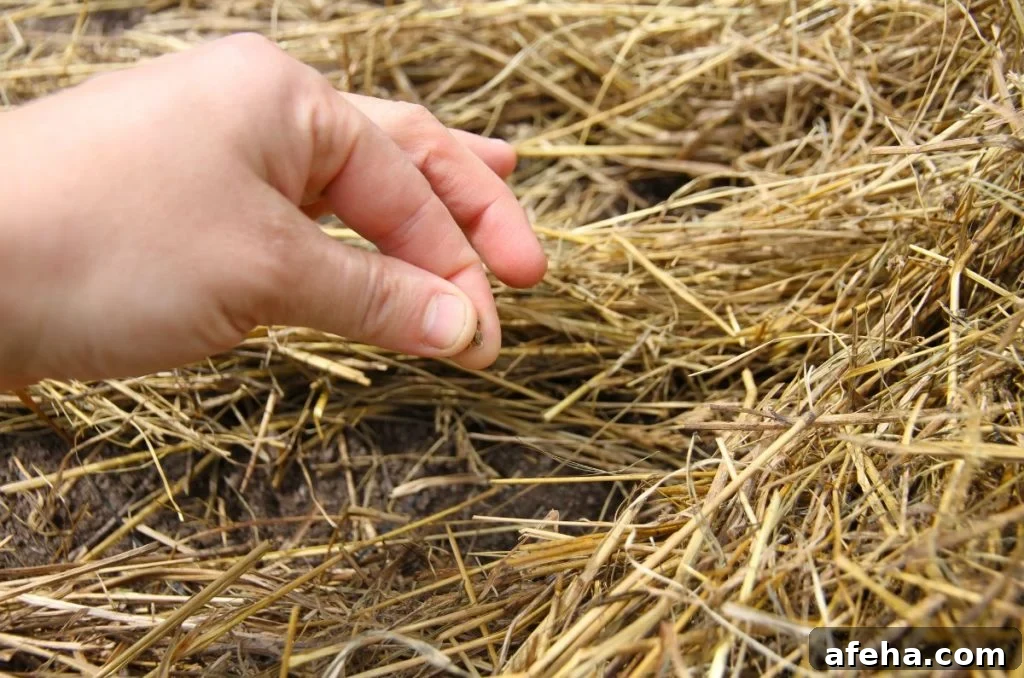
Pinch seed between thumb and forefinger and lightly sprinkle along the bare-earth rows. Spread sparingly to avoid over-seeding; you’ll thin later anyway.
Finish sowing the whole bed before covering the seeds so you can ensure an even distribution.
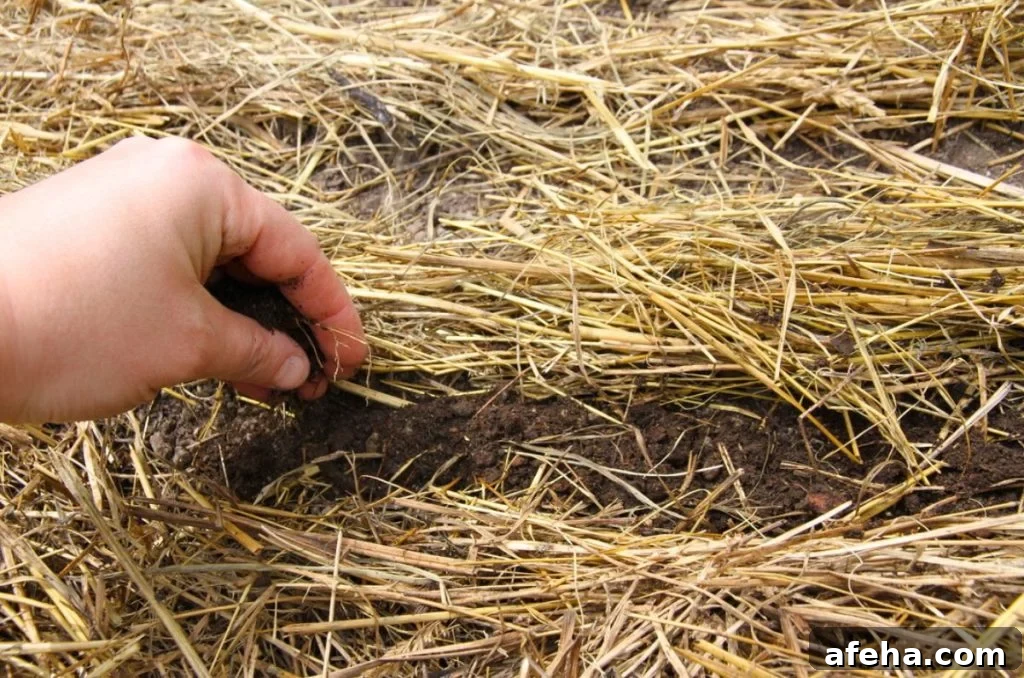
Step 6: Lightly Cover Carrot Seeds with Soil
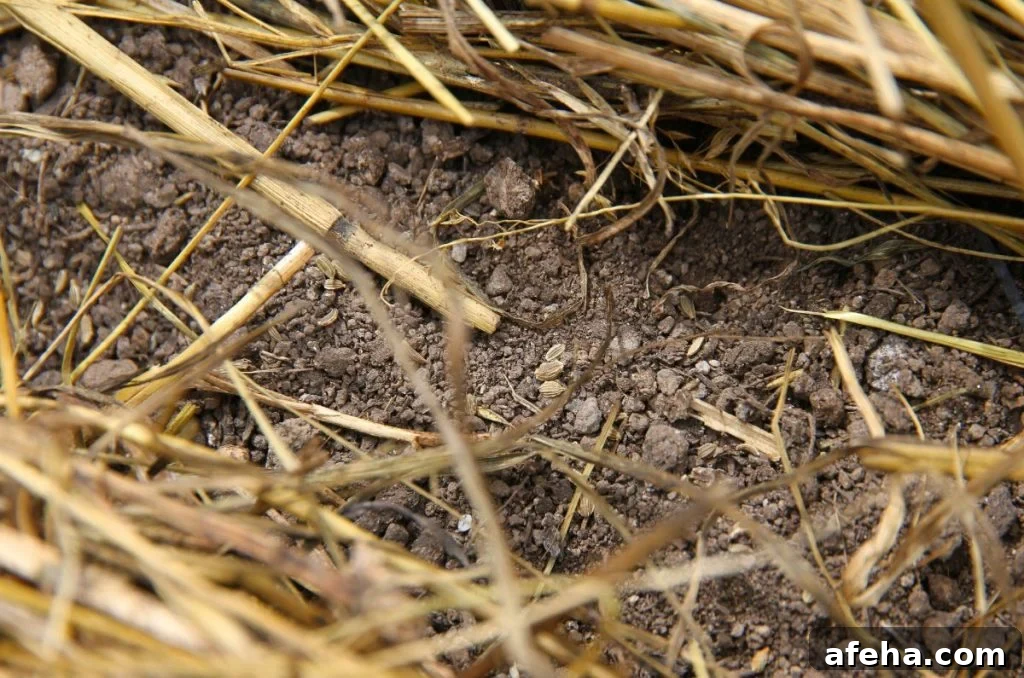
Carrot seeds should sit on the surface and receive only a thin dusting of loose soil—about 1/8 inch. I carry a bucket of finely broken soil and gently sprinkle it over the rows for an even, shallow cover.
Step 7: Water Your Carrot Beds
Keep the bed consistently moist during germination. If rain isn’t expected, water daily for the first 7–12 days. Because seeds are only lightly covered, they dry out quickly and won’t sprout if the soil isn’t kept damp.
Straw mulch helps preserve moisture and reduces the frequency of watering.
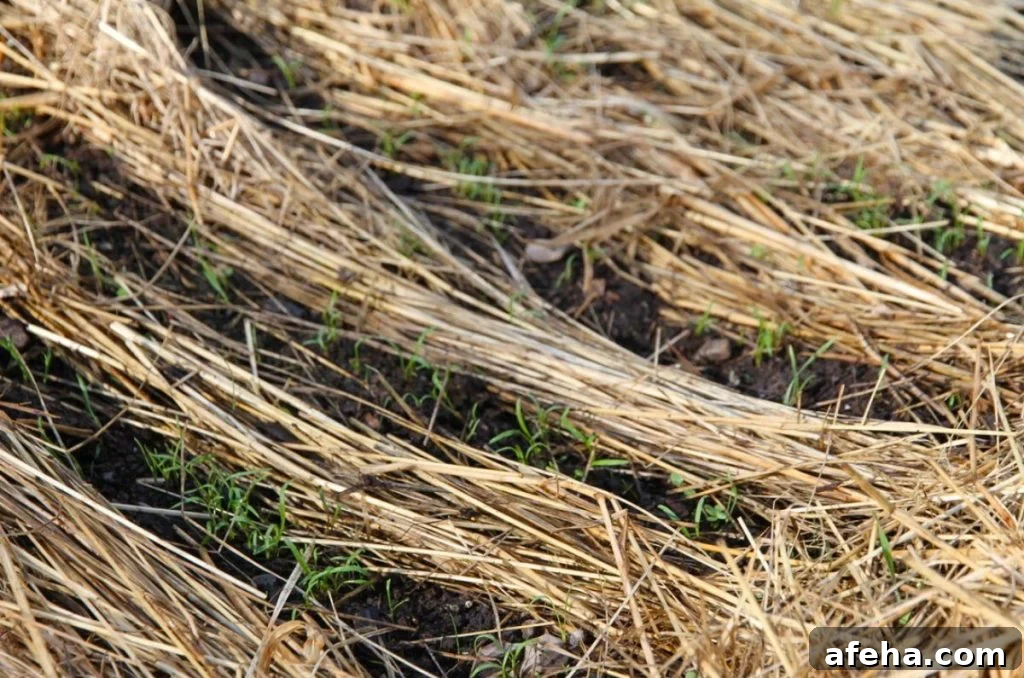
Step 8: Thin Carrots When Seedlings Are Several Inches Tall
Thinning is essential. Aim to thin when seedlings are 4–5 inches tall so remaining plants have about 2 inches between them. A second thinning is often useful later when roots are thumb-sized to allow final spacing for development.
Thin after watering when soil is soft; seedlings pull out more easily with less root disturbance.
When to Harvest Carrots
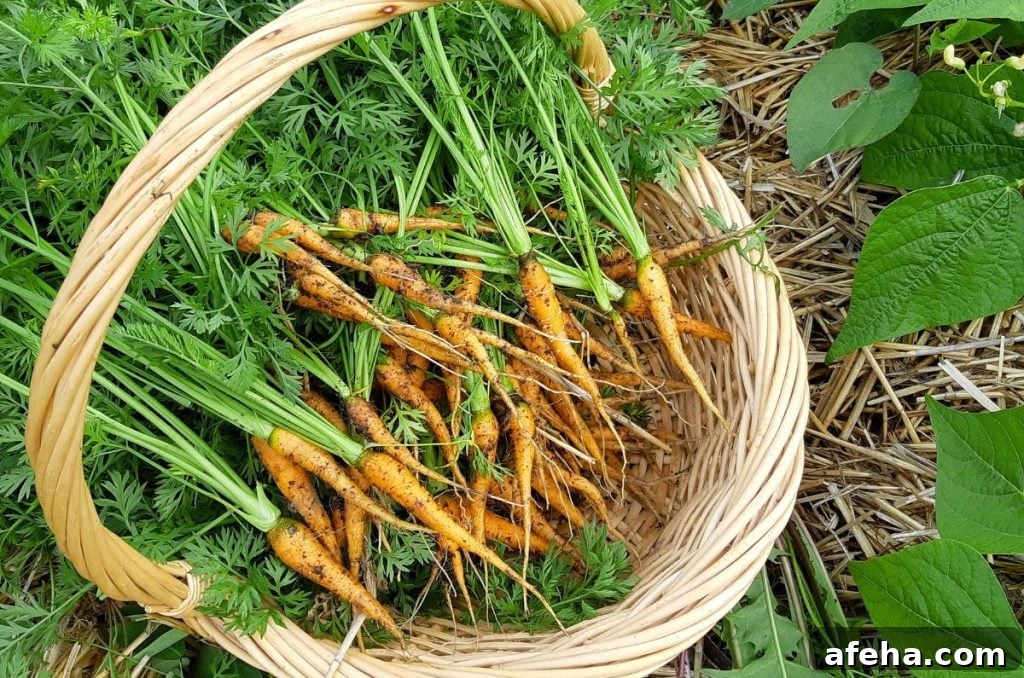
Carrots can be harvested at various sizes depending on variety. Short, stubby types reach maturity sooner and are naturally fatter, while long varieties need deeper, looser soil and more time. Follow your seed packet for recommended days to maturity.
How to Harvest Carrots
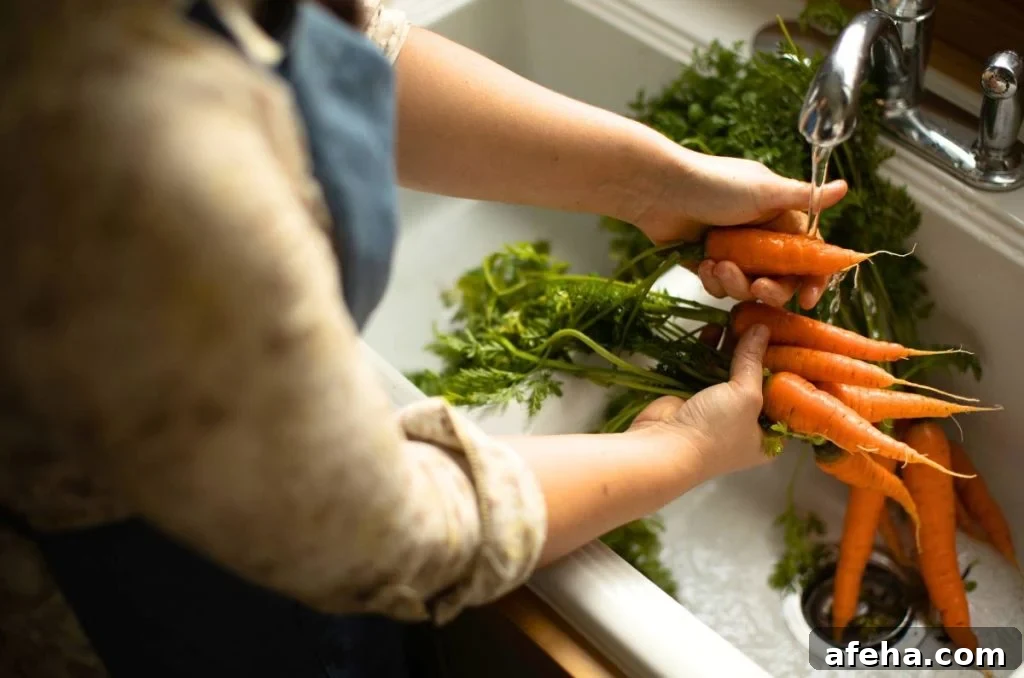
Harvest from late summer through fall. Shallow-rooted carrots may be pulled by their tops; deeper-rooted types are best loosened with a fork or shovel before pulling to avoid breaking the taproot.
How to Preserve Carrots for Winter
Carrots store well using several methods. In hot climates, freeze or pressure-can them. In regions with mild winters, leave carrots in the ground and harvest as needed. For occasional freezes, cover rows with clean straw or leaves and a tarp to insulate.
In very cold climates, move carrots to cold storage. Store them in a cool, humid place packed in damp sand or sawdust to prevent freezing and maintain quality.
Growing carrots does require work, but using these methods reduces effort while improving success. With loose soil, pre-mulched beds, careful planting, consistent moisture, and timely thinning, you can enjoy abundant, flavorful carrots with less physical strain.