
Pfeffernusse cookies are a classic German Christmas treat. Made with molasses, black pepper, anise and warming spices, these chewy cookies are finished with a dusting of confectioners’ sugar for a festive look and flavor.

Froehliche Weihnachten! As part of the 25 Days of Baking series, I tried my hand at Pfeffernüsse, a beloved holiday cookie in Germany. My Aunt Carol makes excellent batches every year, so I researched traditional recipes and adapted one to create a balanced, aromatic cookie with the signature peppery note.
What are Pfeffernusse cookies? Pfeffernüsse are small spiced cookies common in Germany, Denmark and The Netherlands. The name translates to “peppernuts” and refers to the distinctive use of black pepper. The cookies also typically include anise (either seeds or extract) for a subtle licorice-like flavor, along with cinnamon, cloves and nutmeg.
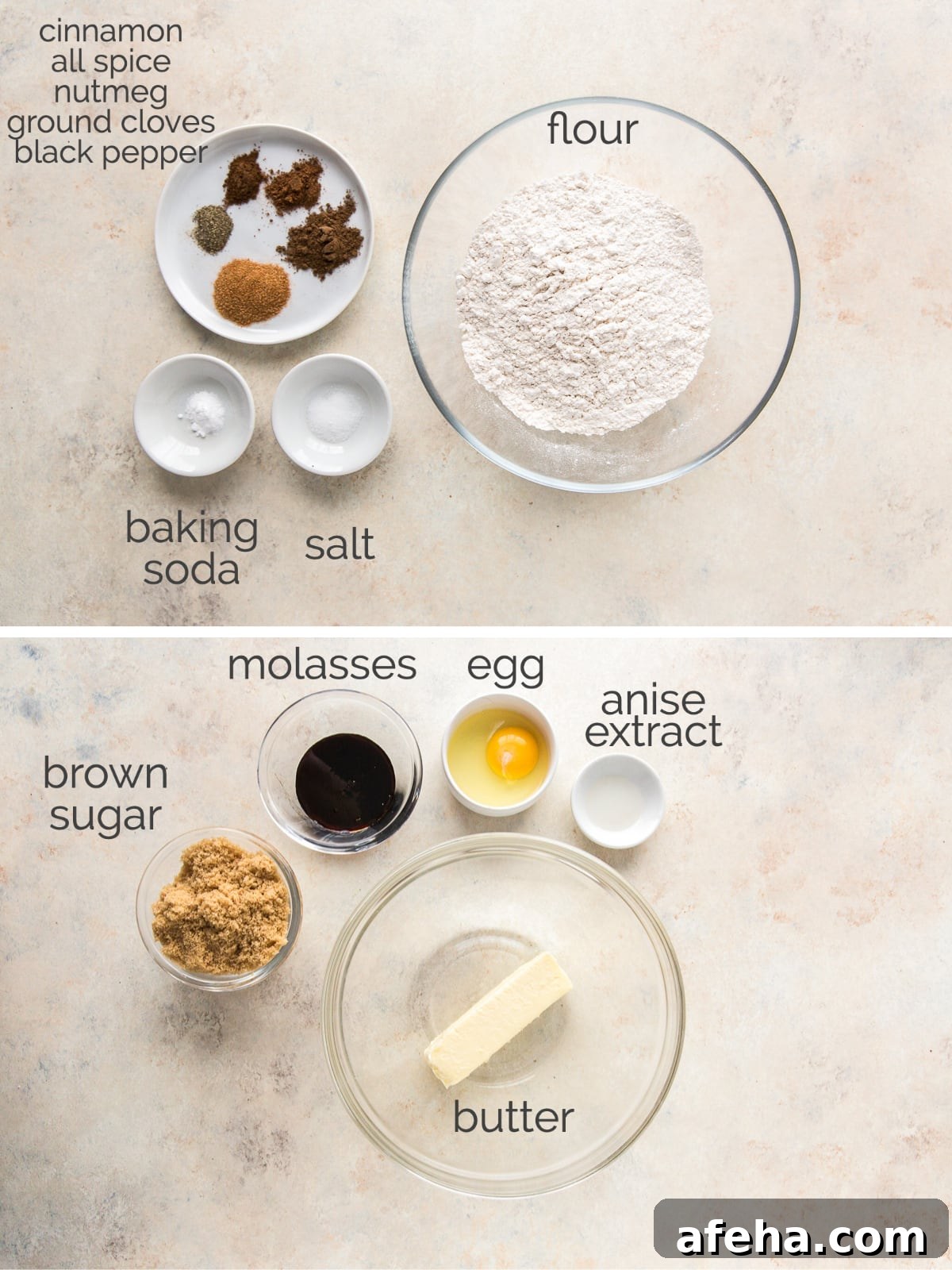
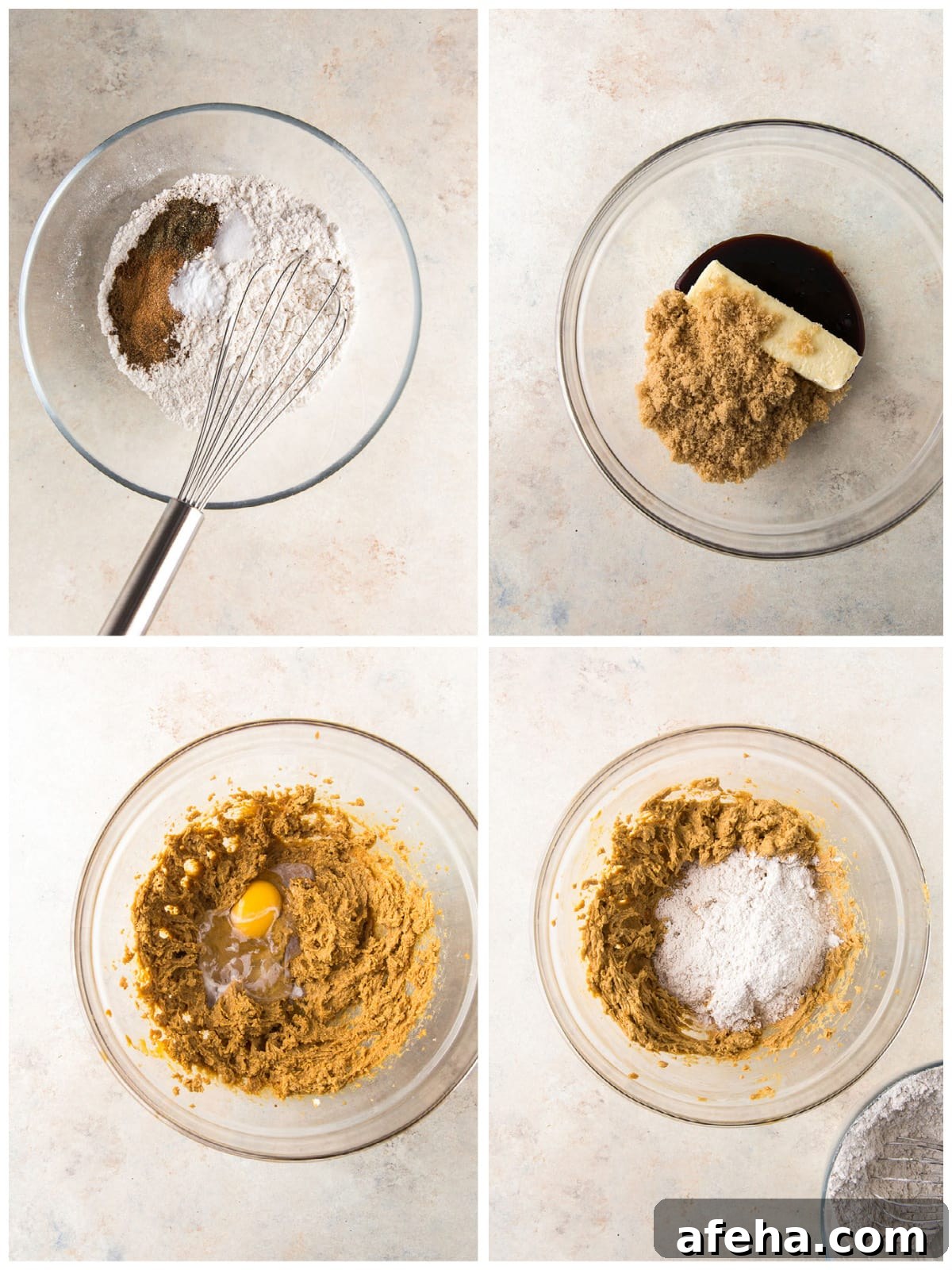
Table of Contents
Overview: How to make pfeffernusse cookies
- Make the dough: Whisk the dry ingredients together in one bowl and set aside. In a stand mixer, beat the butter, brown sugar and molasses until creamy. Add the egg and anise extract, then gradually incorporate the dry mixture until just combined.
- Chill the dough: Wrap or cover the dough and refrigerate for at least three hours. Chilling firms the dough and improves texture and flavor development.
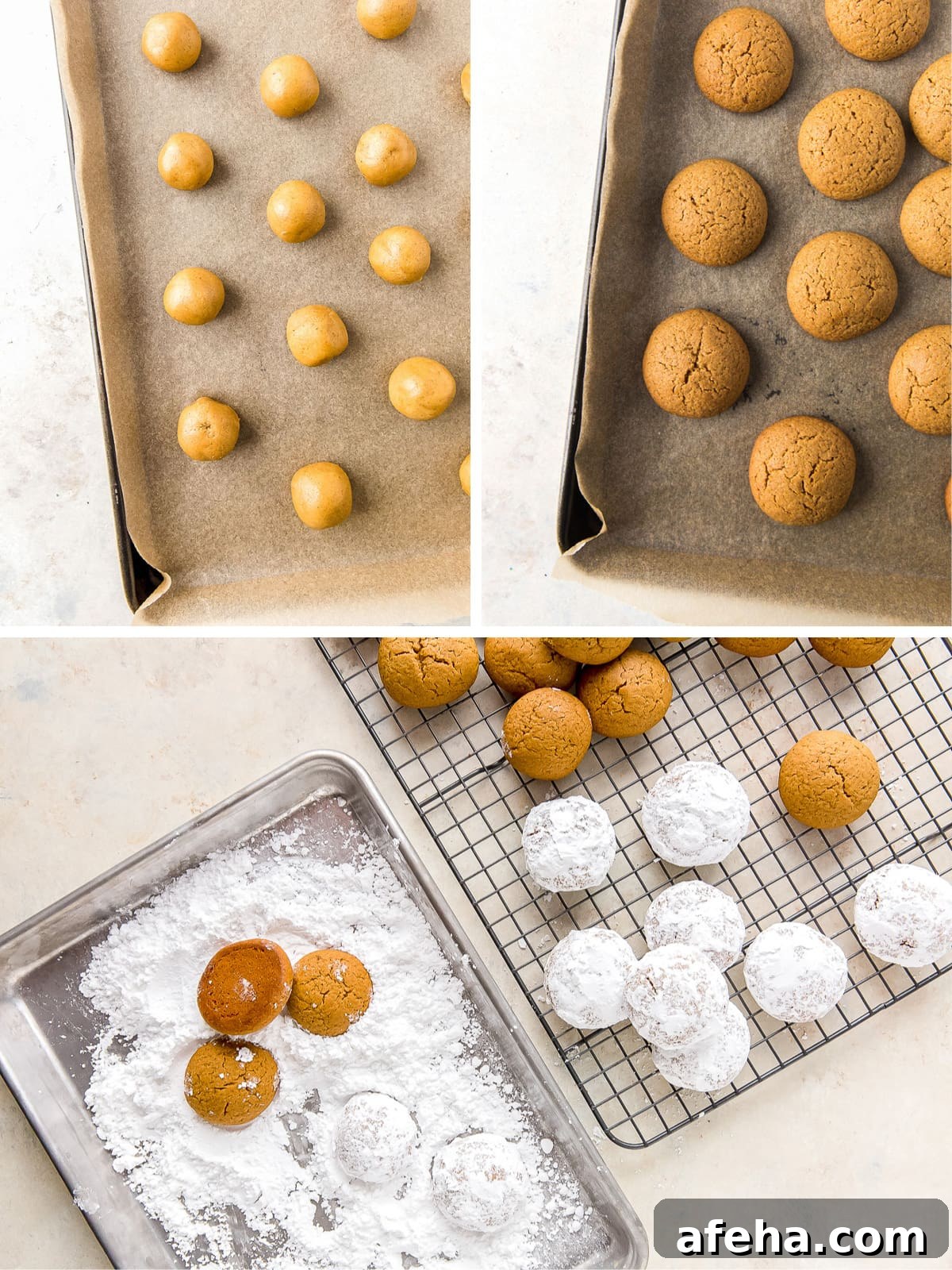
- Bake the cookies: Scoop tablespoon-sized portions, roll into 1½-inch balls, and bake at 350°F for about 15 minutes. Allow cookies to cool briefly, then roll them in confectioners’ sugar while still slightly warm.

Frequently Asked Questions
Store baked cookies in an airtight container or holiday tin at room temperature. They stay fresh for about 3–5 days.
Yes. Wrap the dough tightly or place it in an airtight container and freeze for up to three months. Thaw overnight in the refrigerator before scooping and baking.
You can substitute vanilla extract for anise if you prefer a milder flavor.
Yes. Mix confectioners’ sugar with a little milk (about 2 tablespoons) to make a simple glaze, dip the tops of cooled cookies and let them set on a wire rack.
German Christmas desserts recipes
If you enjoy Pfeffernüsse, other traditional German holiday cookies to try include Linzer cookies (almond shortbread filled with jam) and Vanillekipferl (delicate crescent cookies rolled in vanilla sugar). Lebkuchen, a soft gingerbread-like cookie, and Christmas Stollen, a spiced fruit bread, are also festive favorites.

Did you love this recipe? If so, please rate it and leave a comment — feedback helps improve the recipe and is appreciated.

Get the Recipe: Pfeffernüsse Cookies
Ingredients
- 2 ¼ cups (280 g) all-purpose flour
- ¾ teaspoon ground cinnamon
- ½ teaspoon ground allspice
- ¼ teaspoon freshly ground nutmeg
- ¼ teaspoon freshly ground black pepper
- ¼ teaspoon ground cloves
- ¼ teaspoon baking soda
- ¼ teaspoon salt
- ½ cup (113 g or 1 stick) unsalted butter, room temperature
- ¾ cup (150 g) firmly packed light brown sugar
- ¼ cup unsulfured molasses
- 1 large egg
- 1 teaspoon anise extract (or vanilla)
- ½ cup (87 g) confectioners’ sugar
Instructions
-
In a bowl, whisk together flour, cinnamon, allspice, nutmeg, black pepper, cloves, baking soda and salt. Set aside.
-
In a stand mixer, beat butter, brown sugar and molasses on medium speed until light and fluffy, about 3 minutes. Beat in the egg and anise extract until combined. With the mixer on low, add the dry mixture and beat just until incorporated.
-
Wrap the dough and chill in the refrigerator for at least 3 hours.
-
Preheat oven to 350°F and position a rack in the center. Line baking sheets with parchment paper.
-
Scoop about 1 tablespoon of dough and roll into 1½-inch balls. Place 2 inches apart on prepared sheets. Bake until golden with slight cracking, about 15 minutes. Transfer to a wire rack and cool 5 minutes.
-
While still slightly warm, roll the cookies in confectioners’ sugar to coat. Allow to cool completely before storing.
Notes
- Storing: Keep cookies in an airtight container at room temperature for up to 5 days.
- Make-ahead: Dough can be refrigerated for 2 days or frozen for up to 2 months. Thaw in the refrigerator before baking.