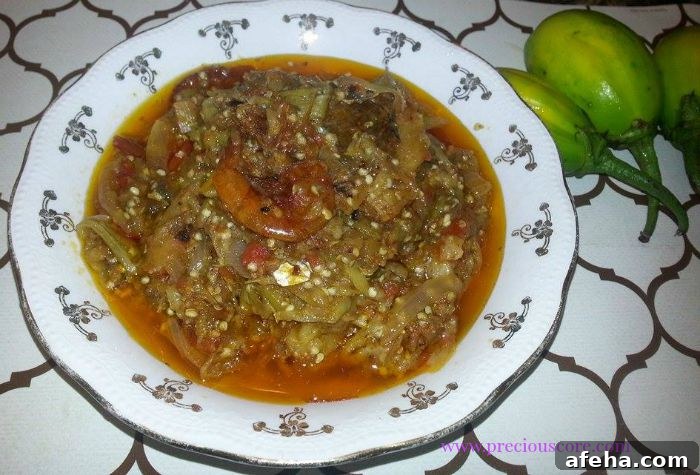
When I first arrived in the United States, one of the small surprises I encountered was finding garden eggs at a local farmers’ market. For many Africans, garden eggs are a familiar and cherished ingredient, and seeing them here felt like a little piece of home. If you haven’t tried them, garden eggs—called Njakatu in parts of Cameroon—are members of the eggplant (aubergine) family. They resemble small tomatoes in appearance and can be enjoyed raw or cooked. Raw garden eggs have a mildly bitter bite balanced by a subtle sweetness that many people love.
In Cameroon, garden eggs often accompany Achu, a traditional dish, served boiled and peeled on the side. In other West African cultures, such as among the Igbo of Nigeria, garden eggs are commonly paired with groundnut (peanut) paste and enjoyed at cultural events. There are many regional variations for serving garden eggs, but one particularly popular preparation is stewing them into a flavorful sauce. Below is a clear, approachable recipe for Garden Egg Stew (Njakatu) that brings out the best of this unique vegetable.
GARDEN EGG STEW – NJAKATU
Prep Time: 30 minutes
Cook Time: 30 minutes
Total time: 1 hour
Serves: 4
Ingredients
10 garden eggs (Njakatu)
6 large ripe tomatoes
3/4 cup ground crayfish, lightly crushed
1 cup dried fish or dried shrimp
1 medium onion, chopped
1/2 cup vegetable oil, palm oil, or a mix of both
1 large seasoning cube (crayfish-flavored if available)
Salt to taste
1 habanero pepper (optional, for heat)
Method
1. Wash the garden eggs and boil them until tender. The skins should become loose and easy to remove after boiling.
2. Allow the boiled garden eggs to cool slightly, then peel off the skins and place the flesh in a bowl.
3. Use a wooden spoon or fork to lightly mash the peeled garden eggs. You want a coarse texture—some chunks remaining is fine and desirable for texture.
4. In a separate pan, heat the oil and sauté the chopped onions until translucent and fragrant.
5. Add the chopped tomatoes to the pan and fry them down until the sharp acidic taste softens. This develops a sweet, rounded flavor in the base of the stew.
6. Lightly grind the crayfish and add it to the hot oil and tomato mixture, stirring briefly. Crayfish releases a strong, aromatic flavor quickly, so keep it moving in the pan to prevent burning. Immediately add the dried fish or shrimp, the seasoning cube, salt, and the optional habanero pepper. Stir to combine.
7. Finally, fold in the mashed garden eggs and allow the stew to simmer gently for about five minutes, stirring occasionally. The garden eggs will soak up the flavors and create a thick, textured sauce. Adjust seasoning to taste.
Serve this fragrant Njakatu stew hot. It pairs beautifully with boiled yams, plantains, cocoyams, sweet potatoes, Irish potatoes, or cassava. The rich, savory-slightly-sweet sauce complements starchy sides very well and makes a satisfying, traditional meal.
Notes and Variations
– To add more depth, stir in some fresh minced garlic and grated ginger when frying the tomatoes. These aromatics brighten the stew and add complexity.
– A pinch of white pepper or additional spices can be used to adjust the flavor profile to your preference. I sometimes add white pepper for an unmistakable warm note.
– Feel free to include other types of fish or protein—stockfish, smoked fish, or additional dried shrimp all work well. Adjust cooking time slightly if adding fresh fish to ensure it cooks through.
Enjoy this authentic, flavorful garden egg stew that brings West African home cooking to your table. Lots of love!