My grandmother was from Tennessee and every few weeks she’d make a big Sunday supper: fried chicken, cornbread, mashed potatoes and plenty of Southern comfort food. I don’t remember her exact recipes, but I remember the cast iron skillet she always kept on the stove. I didn’t inherit hers, but a few years ago my mom bought me a skillet for my birthday.
Cast iron requires care. With regular cleaning and proper seasoning, a cast iron skillet can be treasured and passed down for generations. Below are clear, practical steps for cleaning and seasoning your skillet so it stays in great condition for years.
Cleaning a Cast Iron Skillet
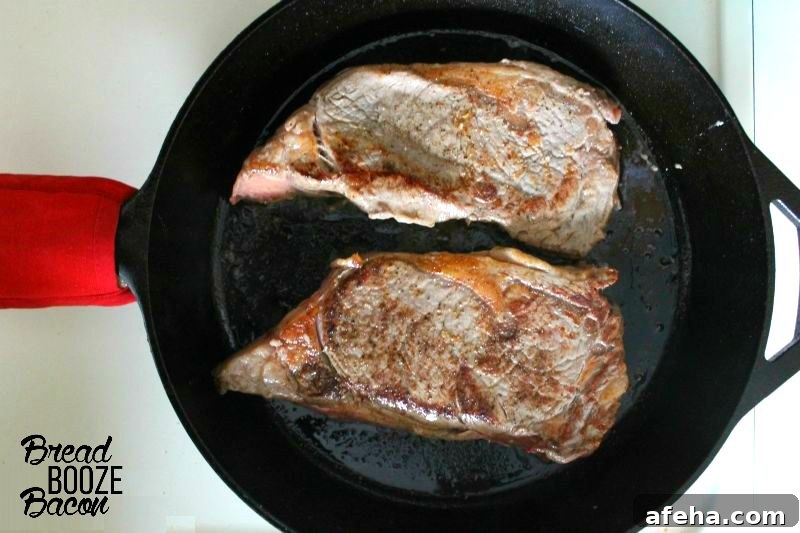
After cooking, don’t soak the skillet or leave it sitting in the sink — that can encourage rust. If you can, wipe out excess grease and residue with a paper towel while the pan is still warm but safe to handle.
Run very hot tap water and rinse the skillet. Use the soft side of a sponge to remove any remaining bits. Avoid the abrasive side of the sponge and avoid regular dish soap except in a single exception described below.
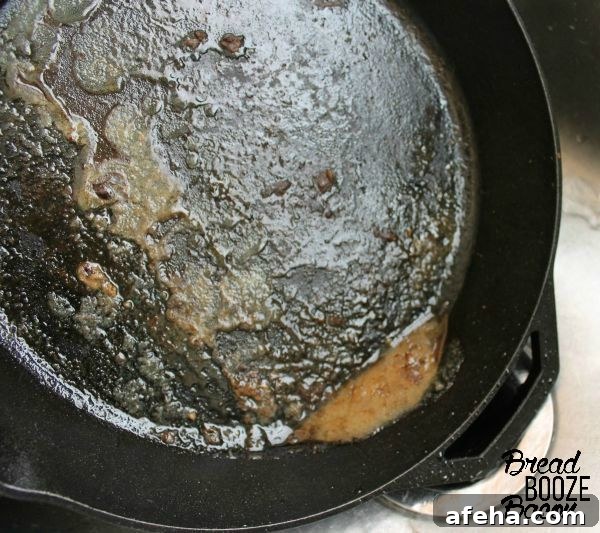
If stubborn food remains stuck to the surface, make a paste of kosher salt and a little water. Use that paste with the soft side of the sponge to scrub the pan — the salt acts as a gentle abrasive to lift stuck-on bits without damaging the seasoning.
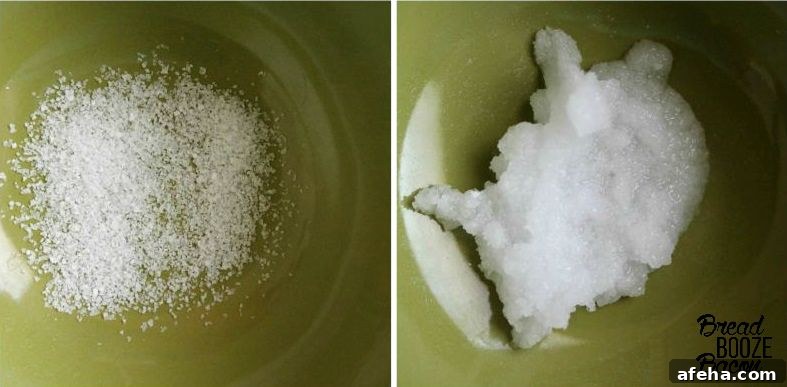
Rinse thoroughly and dry completely. You can dry the skillet on the stove over low heat for a few minutes to ensure all moisture is gone.
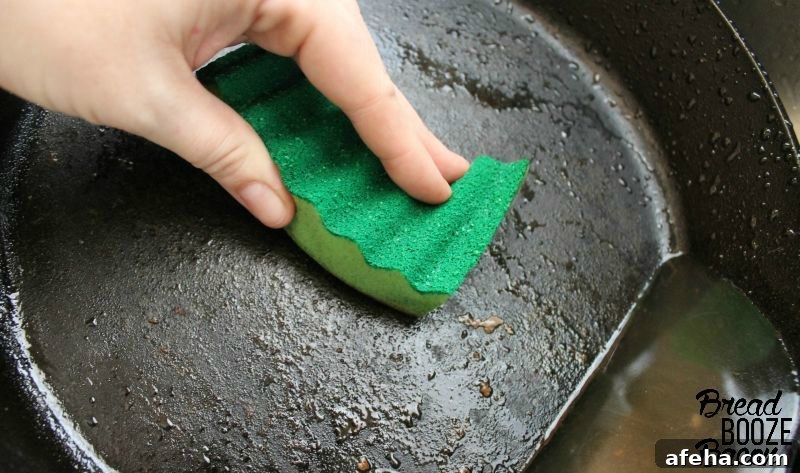
Note: If your skillet is brand new and still has factory coating or residue, it’s okay to scrub it with the coarse side of a sponge and use a little soap one time only to remove manufacturing oils. After that initial cleaning, avoid soap during routine care.
Seasoning a Cast Iron Skillet
Seasoning builds the protective, non-stick layer that makes cast iron perform so well. For routine maintenance, after each cleaning apply a thin coat of solid shortening or a high smoke-point oil to the inside of the skillet while it is still warm. Shortening tends to leave less sticky residue than some liquid oils, but any neutral oil will work.
For a new or fully stripped skillet, follow this full seasoning process:
- Preheat the oven to 350°F (175°C). Line a baking sheet with aluminum foil to catch excess oil.
- Using a paper towel, apply a generous layer of solid shortening to the inside surface, sides, handle and edges of the skillet.
- Flip the skillet over and coat the exterior and bottom as well.
- Place the skillet upside down on the prepared baking sheet and bake in the oven for 1 hour.
- Turn off the oven and allow the skillet to cool completely inside the oven before removing it.
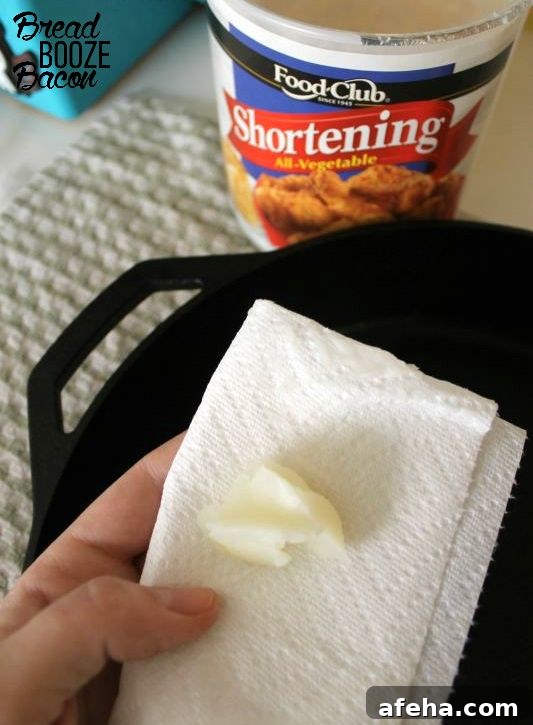
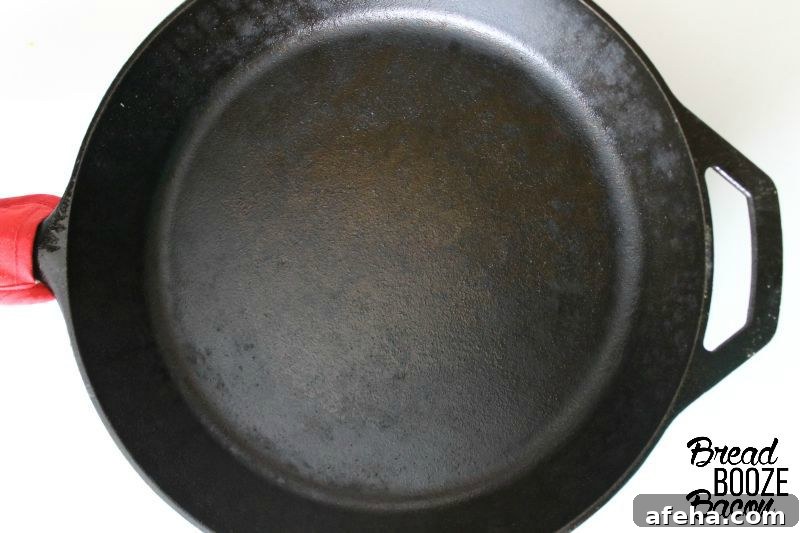
After cooling, your skillet should have a smooth, slightly glossy finish. Wipe a thin layer of shortening on the interior before storing to keep it nourished between uses.
Tips for Ongoing Care
- Cook fatty foods like bacon or fry chicken occasionally — the rendered fat helps improve seasoning naturally.
- Avoid prolonged soaking or dishwashers; both can strip seasoning and promote rust.
- If rust appears, scrub the rust away with steel wool, rinse, dry thoroughly, and re-season the pan.
- Regular light oiling after cleaning prevents stickiness and maintains the seasoned surface.
Try My Favorite Cast Iron Skillet Recipes

Preparing fatty foods in the skillet helps develop seasoning and imparts flavor. Over time, layers of shortening and cooking fats create a natural non-stick surface unique to cast iron. With a little attention, your skillet will reward you with years of reliably great cooking.
This post originally appeared on Around My Family Table where I am a contributor.