It’s May 1st, and that marks the start of Celiac Disease Awareness Month. While awareness is important year-round, dedicating a month to unite voices and raise visibility is something worth celebrating.

Why celebrate? Because awareness grows stronger when we act together. To amplify our message this year, I asked followers on social media and in celiac support groups what they wish others knew about celiac disease. The responses were honest and heartfelt. From those conversations I created a set of graphics focused on the most common themes, and I hope you’ll help share them widely.
Celiac Disease Awareness Month Graphics
These graphics are free to pin, share on Facebook, Twitter, Instagram, email, or print. Use them on social media, in newsletters, or anywhere you believe they might help spread understanding. Thank you for helping raise awareness.
#1: It’s Forever.
Celiac disease is a lifelong autoimmune condition. You cannot outgrow it or treat it with occasional “cheat” days. The only current treatment is strict adherence to a gluten-free diet.
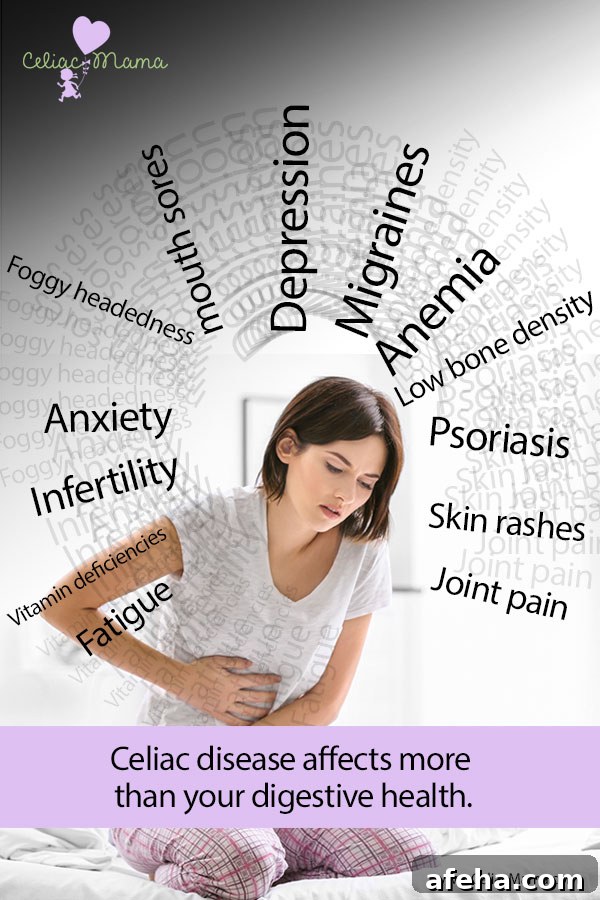
#2: Celiac disease affects more than your digestive health.
Celiac disease can present with many symptoms beyond the gut, including fatigue, nutrient deficiencies, infertility, anxiety, brain fog, mouth sores, depression, migraines, anemia, low bone density, skin conditions such as psoriasis or rashes, joint pain, and more. These varied symptoms can make diagnosis challenging, so awareness of the broader impacts is essential.
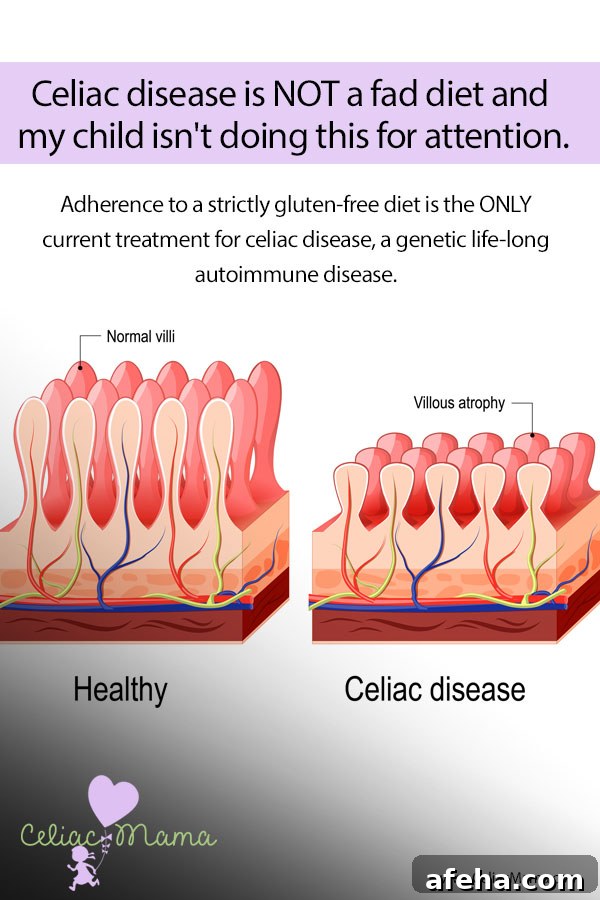
#3: Celiac disease is NOT a fad diet and my child isn’t doing this for attention.
Following a strictly gluten-free diet is not a trend for people with celiac disease—it’s the medically necessary treatment for a genetic, lifelong autoimmune disorder. Families and caregivers take necessary precautions to protect the health of someone with celiac disease.
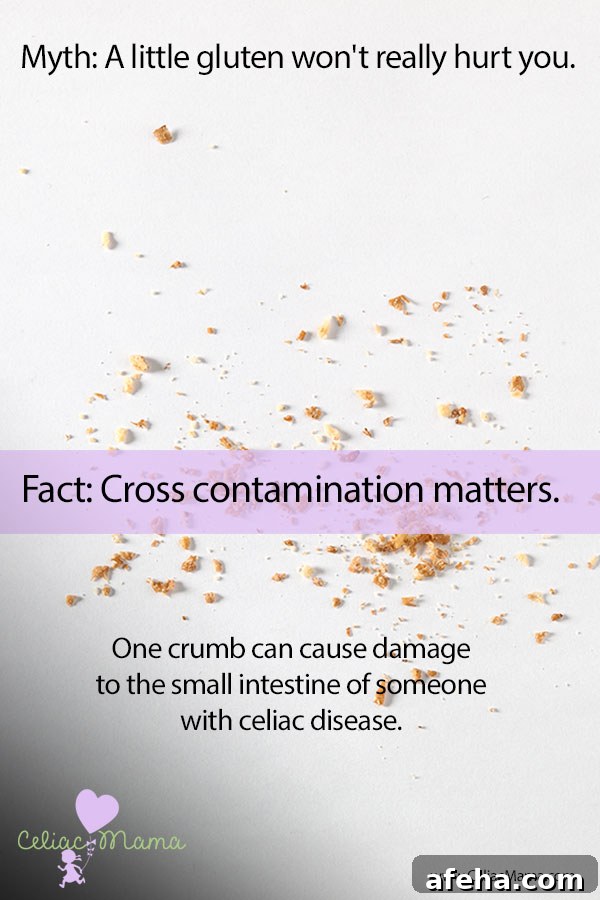
#4: Myth – A little gluten won’t really hurt you.
Cross-contact matters. Even a tiny crumb of gluten can damage the small intestine of someone with celiac disease. Careful food handling and strict avoidance of cross-contact are vital to prevent harm.
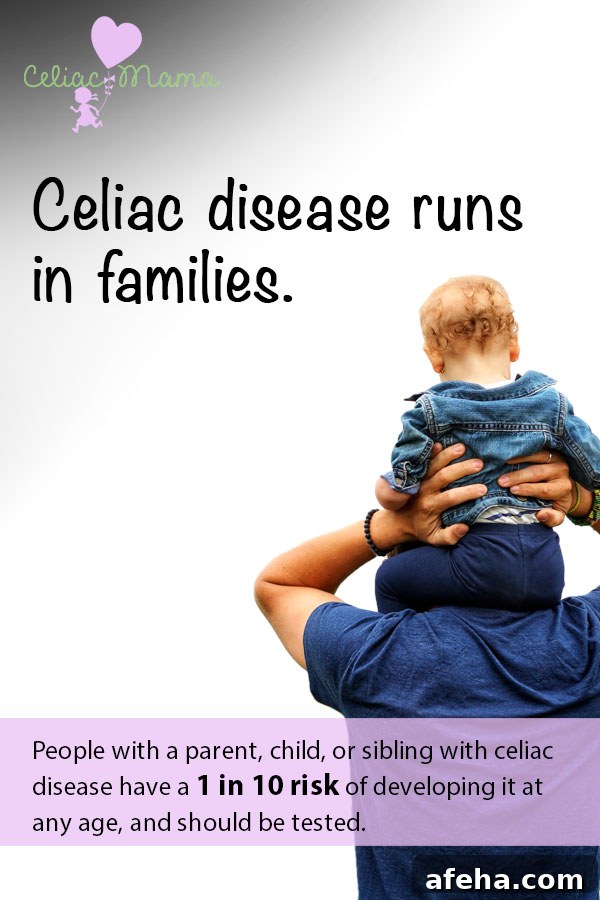
#5: Celiac disease runs in families.
First-degree relatives (parents, children, siblings) of someone with celiac disease have about a 1 in 10 chance of developing the condition at any age. Because untreated celiac disease can lead to serious complications, family members should discuss testing with their healthcare provider if there is concern.
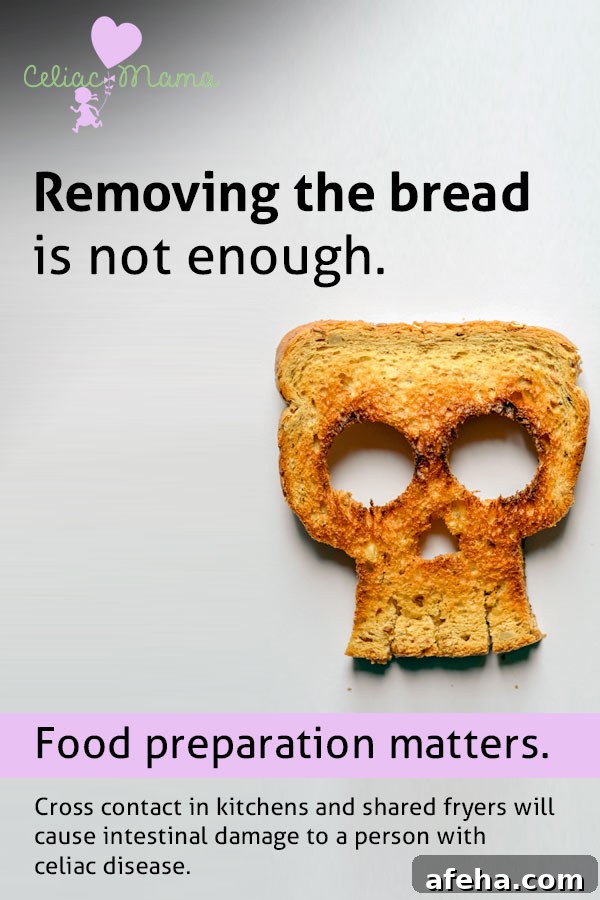
#6: Removing the bread is not enough.
Restaurants and food providers must do more than omit bread to serve someone with celiac disease safely. Cross-contact in shared fryers, on shared utensils, work surfaces, or cookware can contaminate otherwise gluten-free items. Proper training and dedicated practices in the kitchen are essential to prepare truly celiac-safe meals.
Thank you for sharing these graphics and for helping raise awareness during Celiac Disease Awareness Month and beyond. By educating others and supporting testing for those at risk, we can help identify undiagnosed cases and improve outcomes for people living with celiac disease.