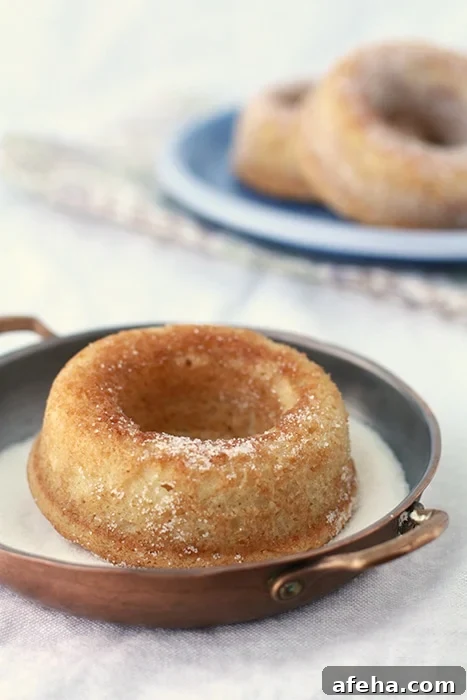
Yes — you can bake donuts instead of frying them. Whether you’re making sour cream donuts, chocolate cake donuts, pumpkin donuts, or other varieties, oven-baked donuts can turn out tender, flavorful, and satisfying. Below is a practical guide to making the best baked donuts in a donut pan, with tips for moisture, coatings, toppings, and storage.
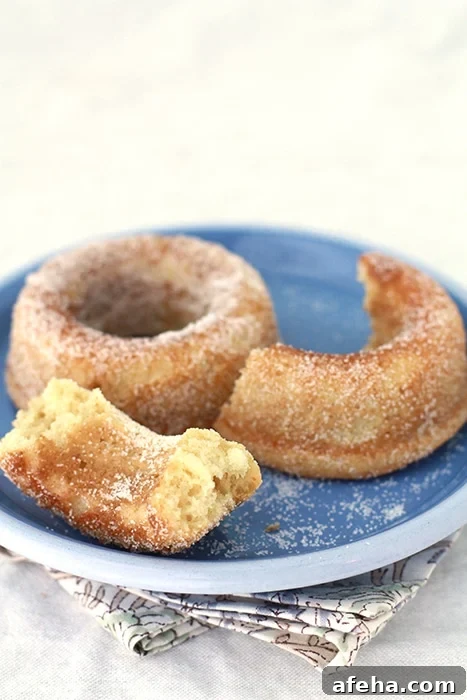
Freshly fried donuts have an unmistakable appeal, but baked donuts offer a lighter, less greasy alternative that’s easy to make at home. The main difference is technique and equipment: baked donuts require a donut pan to create the familiar ring shape and even baking.
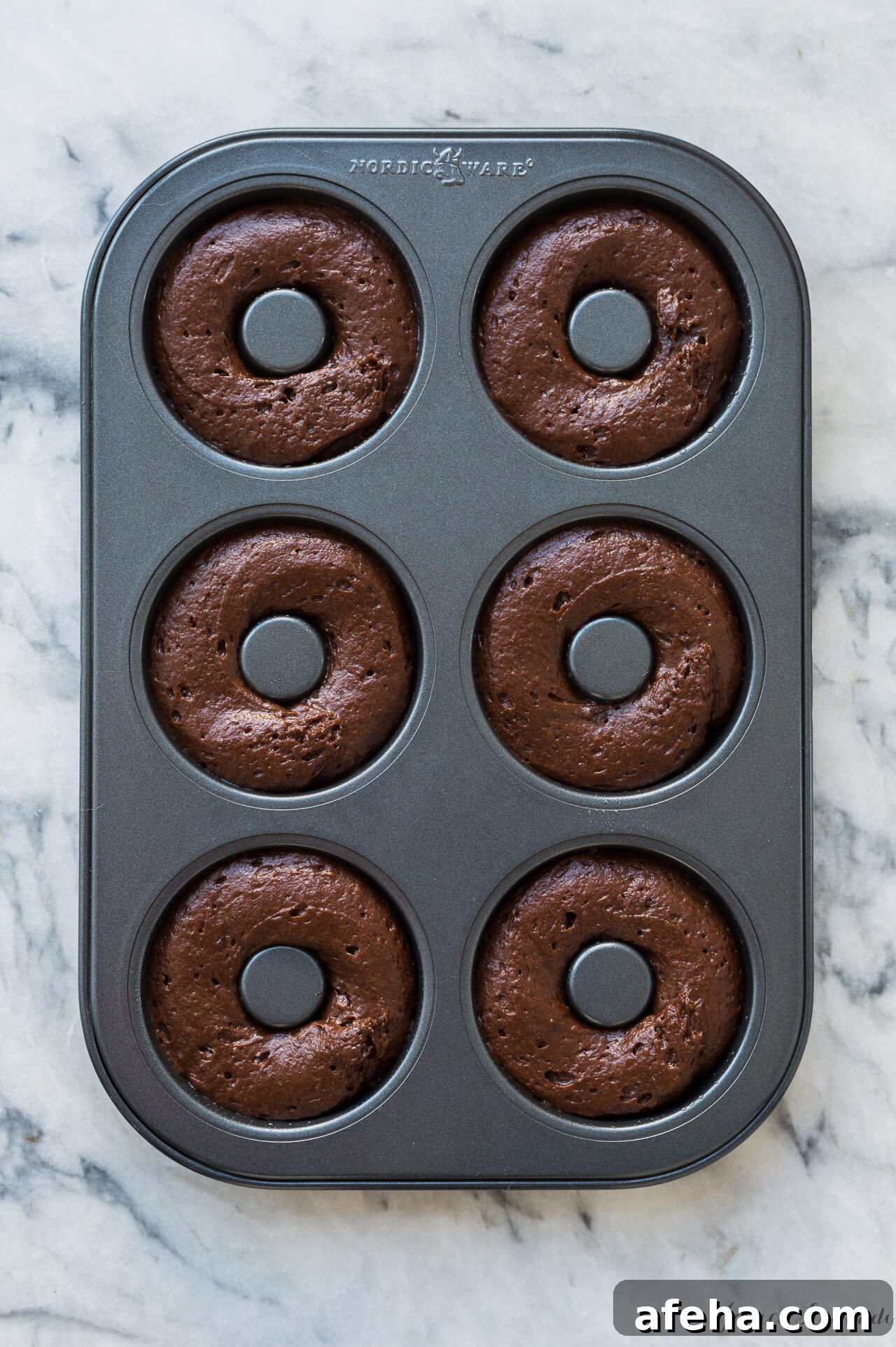
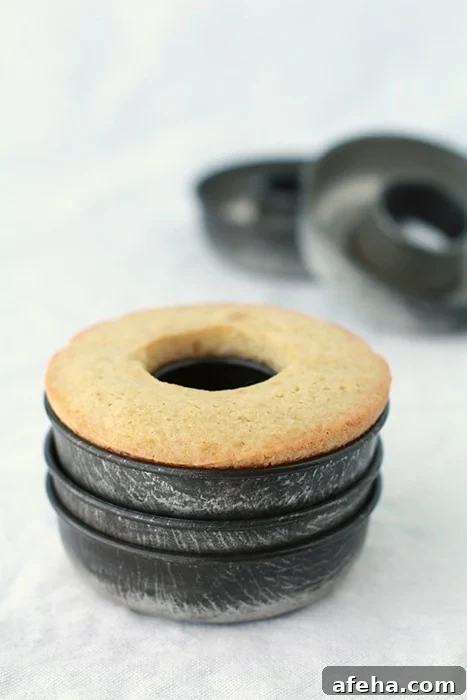
A standard donut pan usually bakes six donuts at a time. If you want a dozen in one go, consider owning two pans. Mini donut pans typically hold 12 small donuts; buying two of those can also be convenient for larger batches. You can find modern or vintage pans — vintage styles may be found through antique shops and marketplaces.
How to make a moist baked donut
Moisture is essential for a satisfying baked donut, especially with cake-style recipes that can dry out. Here are a few reliable strategies:
- Use sour cream or full-fat plain Greek yogurt in the batter for added fat and tang — this helps create a tender, moist crumb.
- Incorporate mashed pumpkin or other purees when appropriate; they add moisture and flavor to fall-style donuts.
- Choose oil over butter in cake-style recipes when possible. Oil stays liquid at room temperature, which often yields a moister, more tender bite than solid butter.
- Consider adding ingredients like milk or almond milk in recipes that call for extra liquid to balance dry components.
These tips apply to a wide range of baked donut recipes, from chocolate and sour cream versions to seasonal pumpkin or amaretto varieties.
How to make baked donuts taste like fried donuts
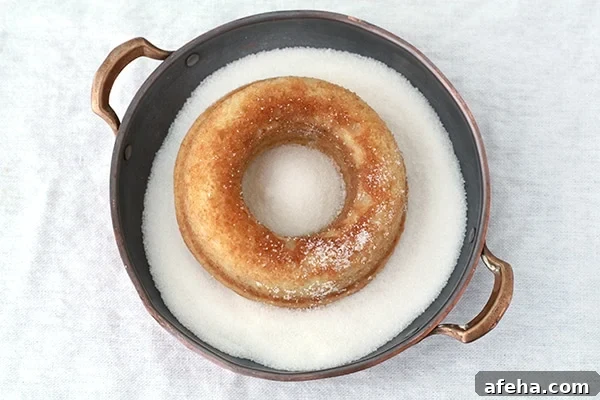
If you want your baked donuts to mimic the rich, slightly fatty flavor of fried donuts, try brushing or lightly dipping the warm donuts in melted butter before coating them in sugar. The butter adds a glossy, flavorful surface and a hint of the fried richness you’d expect from a traditional donut. That said, skipping the butter keeps the treats lighter — both approaches work depending on your goal.
How to coat baked donuts
Baked donuts can be finished in many ways:
- Granulated sugar, powdered sugar, or cinnamon sugar for a classic finish.
- Infused sugars — add matcha, or grind freeze-dried berries and mix into granulated sugar for unique flavors and colors.
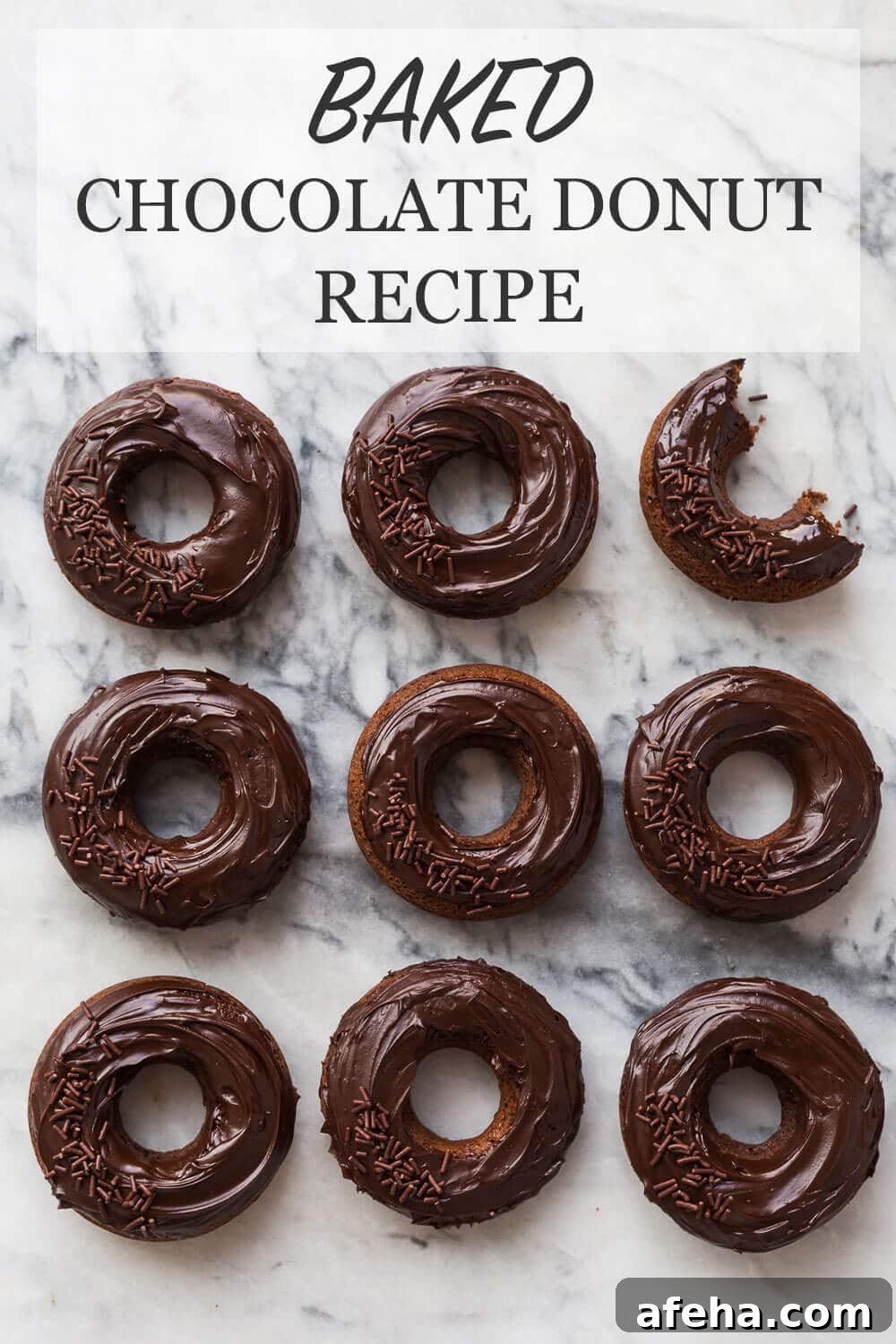
- Glazes — simple icing sugar glazes, chocolate glazes made with cocoa and icing sugar, or a richer chocolate ganache made from real chocolate.
When using chocolate for ganache or glazes, choose chocolate with good flavor since it will be the dominant taste in the coating.
Toppings for baked donuts
Top glazed donuts quickly, while the glaze is still wet, so toppings adhere without dulling the shine. Popular choices include:
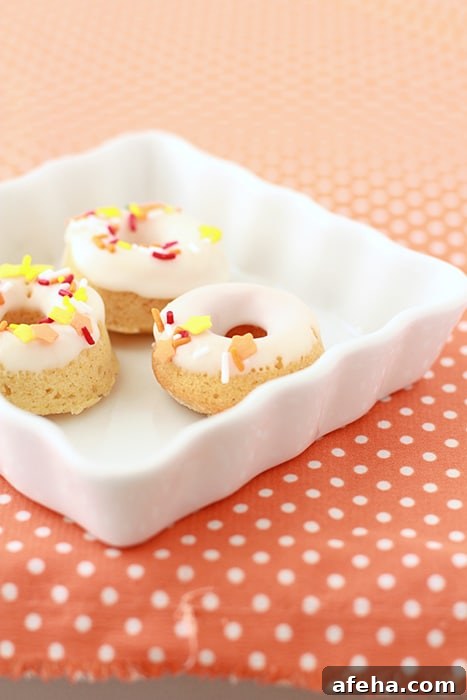
- Rainbow sprinkles
- Chocolate sprinkles
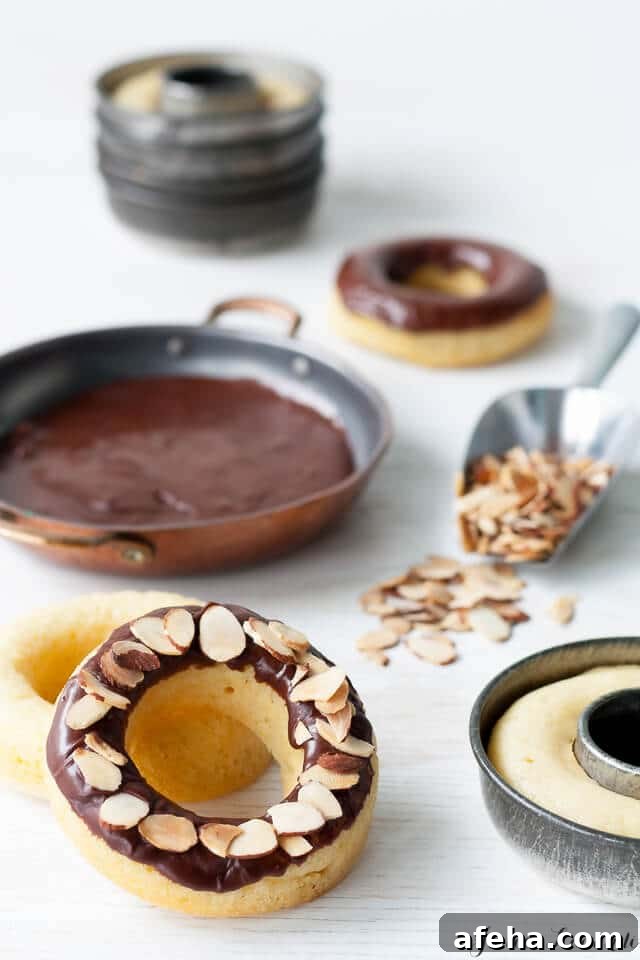
- Chopped nuts or sliced almonds
- Shredded or flaked coconut
- Colorful cereal for a playful crunch
Sprinkles remain a universally loved finish for donuts — they add color, texture, and nostalgia.
Storing and freezing baked donuts
Donuts are best eaten the day they are made or within one day after baking. After that, they begin to stale and lose their ideal texture. If you plan to freeze, follow these guidelines:
- Avoid freezing glazed and decorated donuts if possible, since defrosting can affect the finish and decorations.
- If freezing is needed, freeze plain donuts without glaze or sugar coating. Defrost, then brush with melted butter and roll in sugar to refresh the surface if desired.
- For best texture, freeze in an airtight container, and consume within a month for optimal flavor.
With the right pan, a moist batter, and thoughtful finishing touches, baked donuts can be a delightful and convenient alternative to the fried classic. Experiment with batters, coatings, and toppings to find your favorite combinations.