Print Recipe
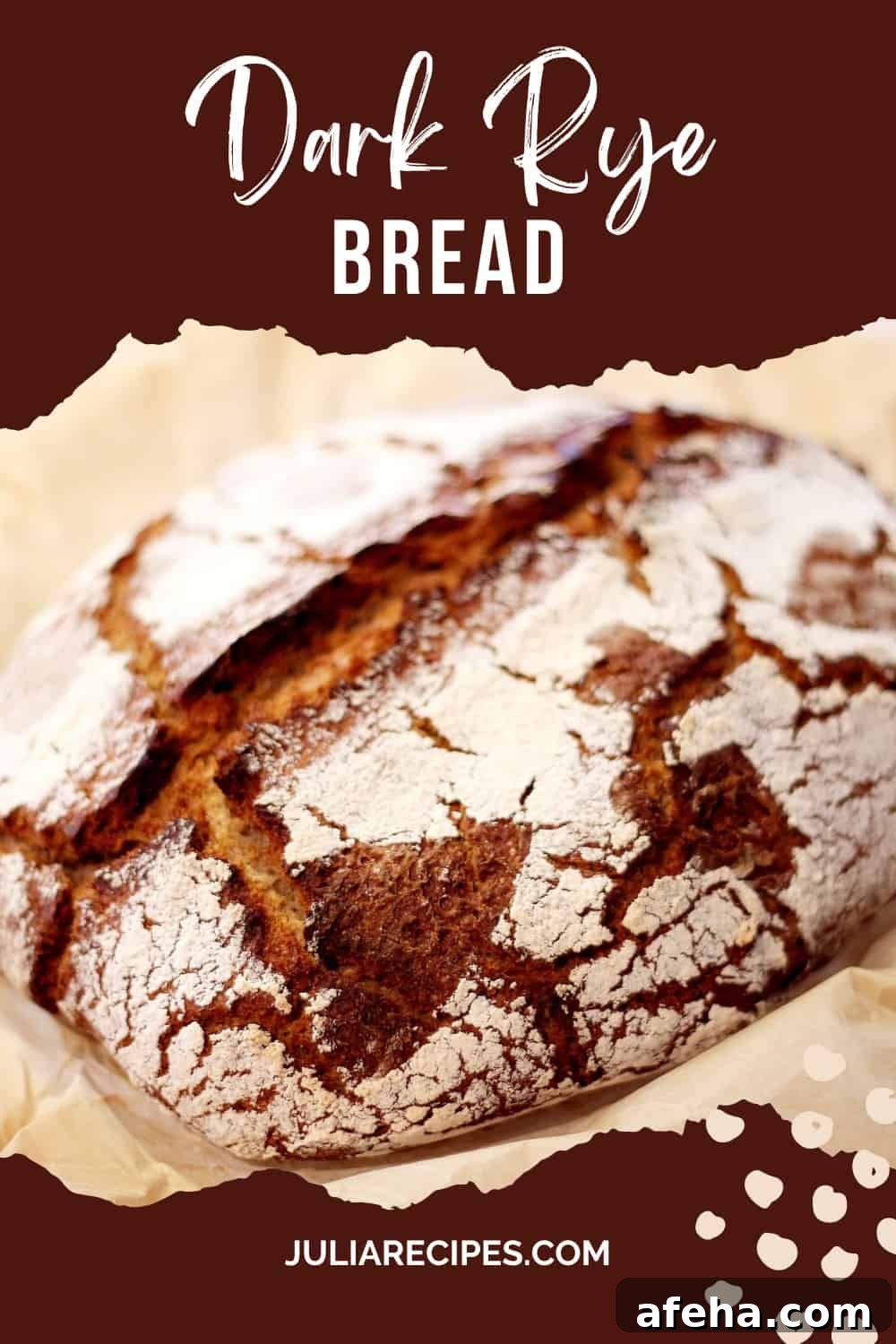
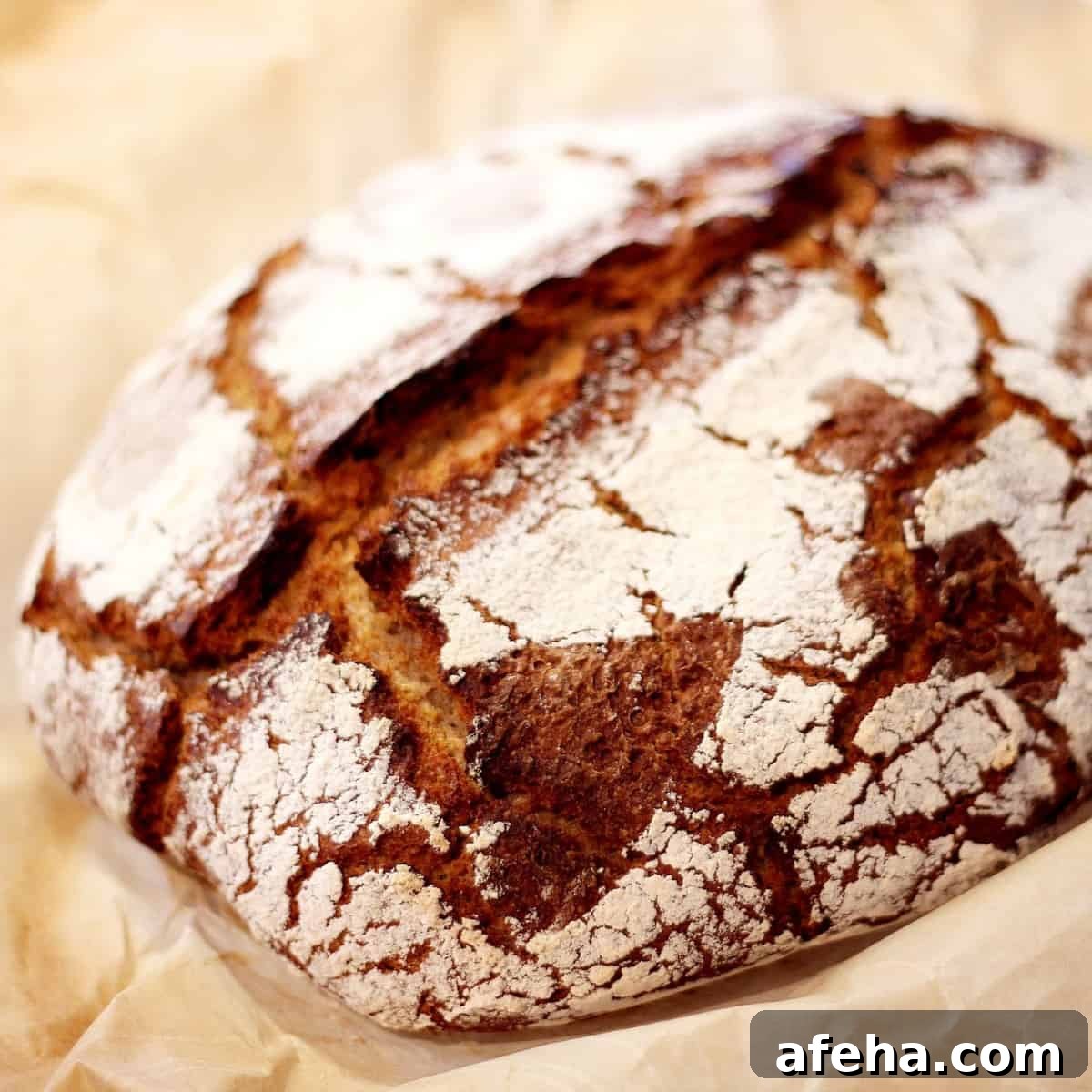
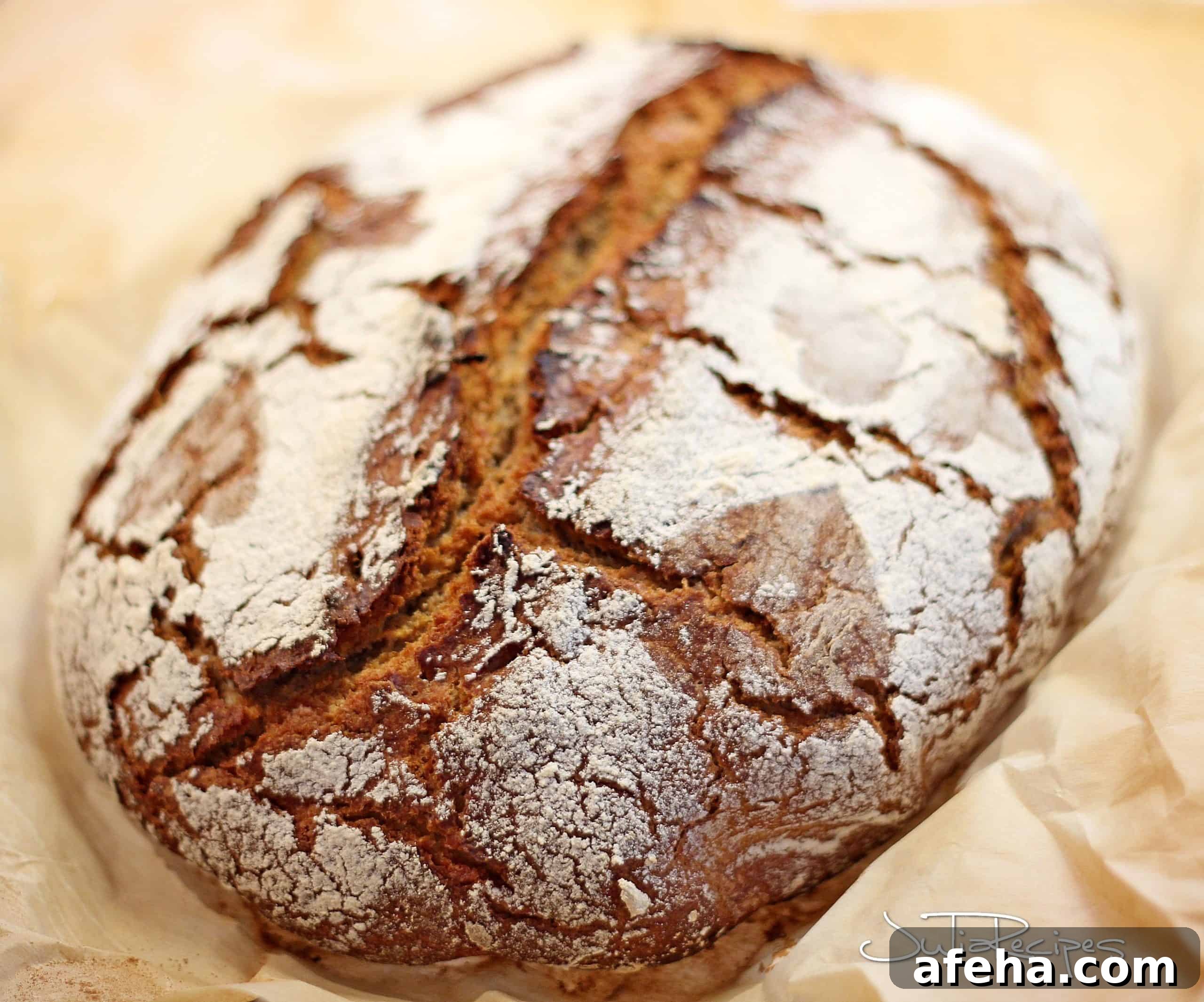
Dark Rye Bread with Caraway Seeds, also known as Jewish rye bread, is a classic, hearty loaf made from dark rye and all-purpose flour. This no-knead recipe delivers a dense, flavorful crumb and a crisp crust with minimal hands-on work—perfect for sandwiches, toast, or enjoying plain.
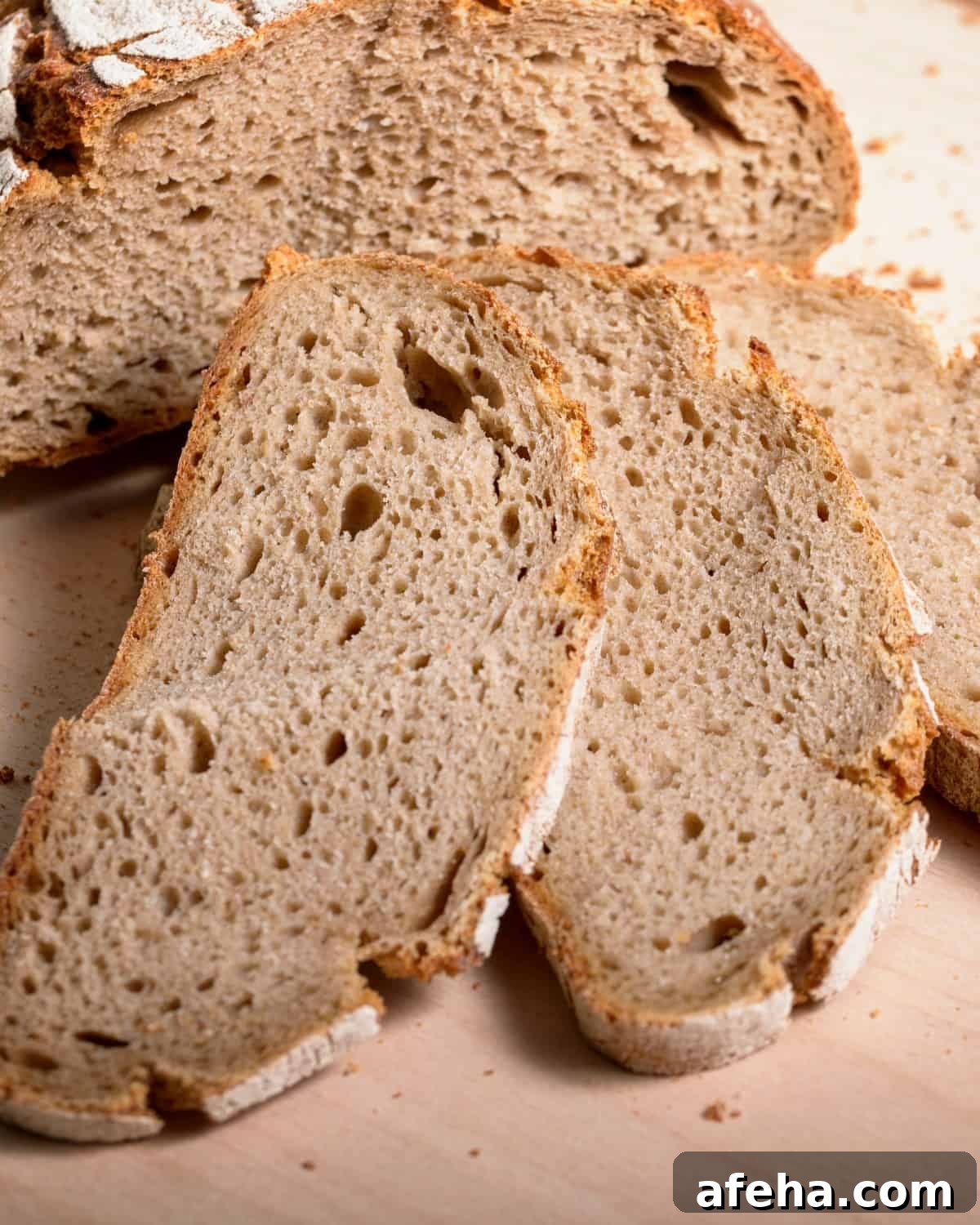
Caraway seeds add a warm, slightly sweet and nutty note that pairs beautifully with the earthy rye. The dough rests for several hours instead of being kneaded, allowing gluten to develop and flavors to deepen. The result is a rustic loaf with a substantial crumb and a flavorful crust.
What is no knead bread
No-knead bread is made by mixing a simple dough and letting it rest for an extended time so gluten develops without intensive folding or kneading. The long, slow fermentation creates a complex flavor and a satisfying texture while keeping the process accessible for beginner bakers.
This method typically uses fewer steps and ingredients than traditional approaches, and it adapts well to different flours and additions. A well-made no-knead loaf is crisp outside and tender inside.
Why you’ll love making dark rye bread
Baking this dark rye is rewarding and versatile. The combination of rye flour and caraway creates a distinct taste that suits savory toppings, robust sandwiches, and hearty breakfasts. Making bread at home also lets you adjust flavors—more caraway, added herbs, or different flours—to tailor the loaf to your preferences.
It’s an impressive bread to serve guests: hearty, aromatic, and far more flavorful than most store-bought loaves.
Importance of rye flour in Jewish cuisine
Rye flour has been integral to many traditional Jewish breads for generations. It lends a darker color, robust flavor, and dense texture to breads commonly found in delis and homes. Rye is also nutritious—rich in fiber and minerals—and has cultural significance in various celebrations and daily meals.
Health benefits of rye bread
Rich in fiber: Rye flour often contains more fiber than refined wheat, supporting digestion and satiety.
Lower glycemic index: Rye typically raises blood sugar more slowly than white wheat, which can be helpful for blood sugar management.
Good source of nutrients: Rye supplies minerals like iron, magnesium, and zinc.
May support heart health: Whole-grain rye consumption is associated with improved cholesterol profiles in some studies.
Satisfying: The dense crumb keeps you feeling full longer, which may prevent overeating.
Ingredients
Rye flour: Gives the loaf its distinctive flavor and dense texture; usually used alongside wheat flour for structure.
Caraway seeds: Provide the classic rye aroma and a gentle, anise-like note.
Salt: Enhances flavor and helps regulate fermentation.
Instant yeast: Added directly to the dry mix to leaven the dough without prior proofing.
Water: Hydrates the dough and activates the yeast; warm water encourages fermentation.
From flour to loaf: Step-by-step
In a large bowl, combine 1 cup (125 g) dark rye flour, 2 cups (240 g) all-purpose flour, ½ teaspoon (2 g) instant yeast, 2 teaspoons (12 g) salt, and 1 teaspoon (12 g) caraway seeds. Mix to distribute the ingredients evenly.
Add 1 2/3 cups (395 ml) warm water (about 130 °F / 55 °C) and stir until a sticky, cohesive dough forms. Cover the bowl with a clean towel or plastic wrap and let the dough rest at room temperature for 3 hours; it should increase in volume.
Turn the dough onto a lightly floured surface, sprinkle a little all-purpose flour on top, fold it over itself a few times with a scraper, and shape it into a tight round. If very sticky, add a touch more flour.
Place the shaped dough on parchment paper inside a large bowl, cover, and let it rise 20 minutes.
Meanwhile preheat the oven to 450 °F (230 °C) with a Dutch oven and lid inside for 30 minutes.
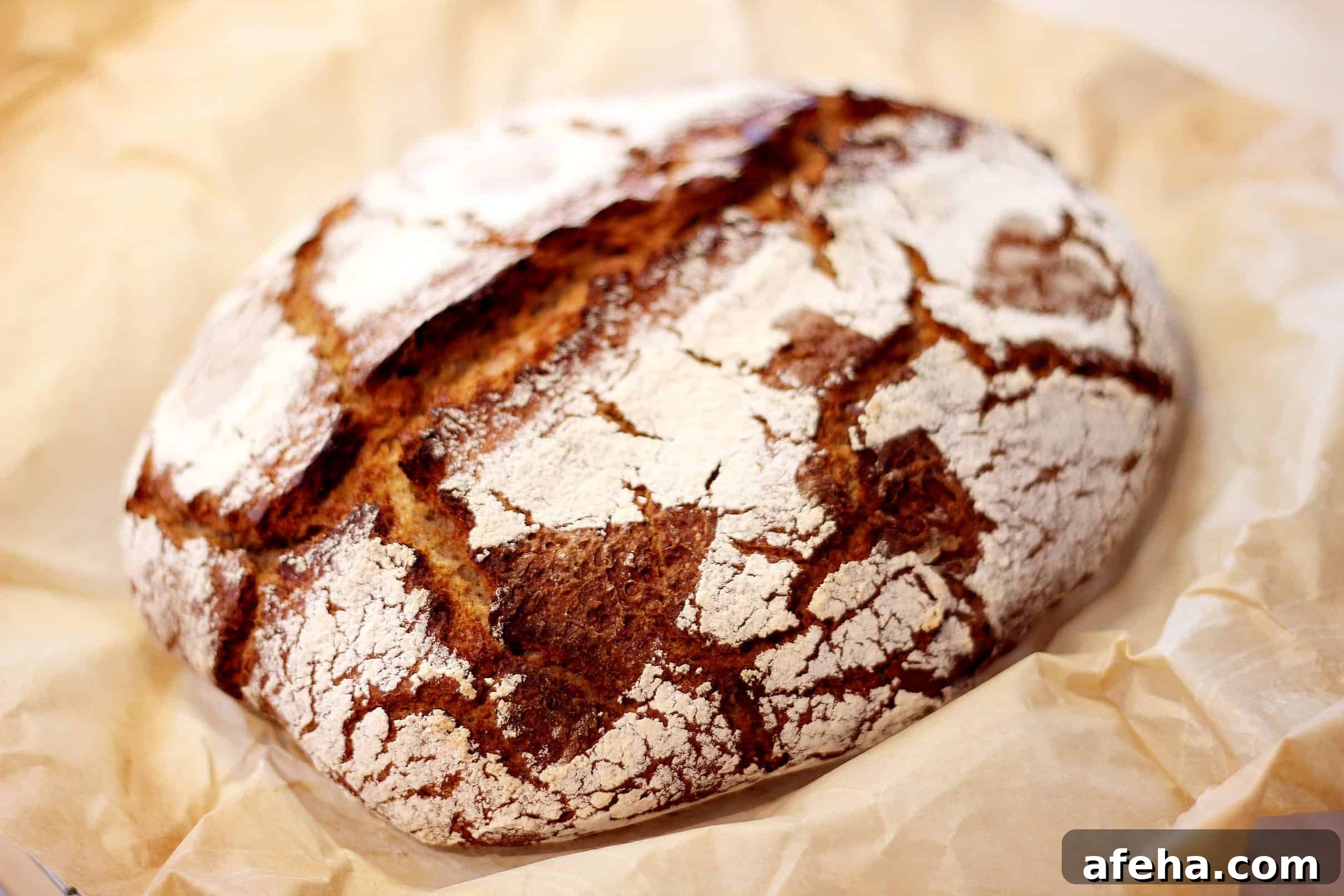
Carefully remove the hot Dutch oven, lift the dough with the parchment paper and place it into the pot. Cover with the lid and bake 35 minutes. Remove the lid and bake another 15 minutes, or until the crust is deeply browned and crisp.
Use oven mitts to remove the loaf to a wire rack and cool completely before slicing to ensure the crumb sets properly.
Tips and tricks
Weigh ingredients: A kitchen scale ensures consistent results.
Use a flour blend: Combining rye and all-purpose flour balances flavor and structure.
Allow full rest: The initial 3-hour rest is essential for flavor and development—don’t rush it.
Bake in a covered pot: A preheated Dutch oven traps steam and creates a crisp crust.
Check doneness: The internal temperature should be about 190–200 °F (88–93 °C).
Cool completely: Let the loaf cool fully before slicing to avoid a gummy crumb.
Store properly: Keep the bread in a paper bag or wrapped in a towel at room temperature to preserve the crust. Freeze tightly wrapped for longer storage.
FAQ
Can I use all rye flour?
Using only rye flour often yields a very dense loaf with little rise. For a better texture, combine rye with all-purpose or bread flour.
Do I need to proof instant yeast?
No. Instant yeast can be mixed directly with the dry ingredients.
Can I add more caraway?
Yes—adjust the amount to taste. You can also try other seeds or spices for variation.
Can I use a different pot?
Yes. Use any heavy, oven-safe pot with a tight-fitting lid that can withstand high heat and accommodate the loaf.
How do I know when it’s done?
Use a kitchen thermometer: 190–200 °F (88–93 °C) internal temperature indicates a fully baked loaf. The crust should be deep brown and crisp.
Can I freeze the bread?
Yes. Wrap the cooled loaf tightly in plastic wrap and foil and freeze up to 3 months. Thaw at room temperature.
Why didn’t my bread rise?
Common causes are expired yeast, too much flour, or insufficient resting time. Check yeast freshness and follow the resting schedule.
Rye bread vs pumpernickel
Both use rye, but pumpernickel traditionally uses coarsely ground whole rye or rye meal and undergoes a longer, slower bake, producing a darker, denser, and often sweeter loaf. Rye bread typically blends rye with wheat flour for a lighter texture.
How to store your loaf
Cool completely before storing. For short-term storage, keep the loaf in a paper bag or wrapped in a clean towel to preserve crust crispness. Avoid refrigeration, which dries bread faster. For longer storage, wrap tightly and freeze.
Variations
Dill Rye: Add 1–2 tablespoons dried dill or 1/4 cup fresh chopped dill.
Cumin Rye: Stir in 1–2 tablespoons ground cumin for a warm, earthy twist.
Rosemary Rye: Add 1–2 tablespoons chopped fresh rosemary.
Fennel Rye: Add 1–2 tablespoons fennel seeds for a slightly sweet, licorice-like note.
Onion Rye: Sauté 1–2 diced onions until soft, then fold into the dough.
Garlic Rye: Add 1–2 cloves minced garlic for savory depth.
Serving suggestions
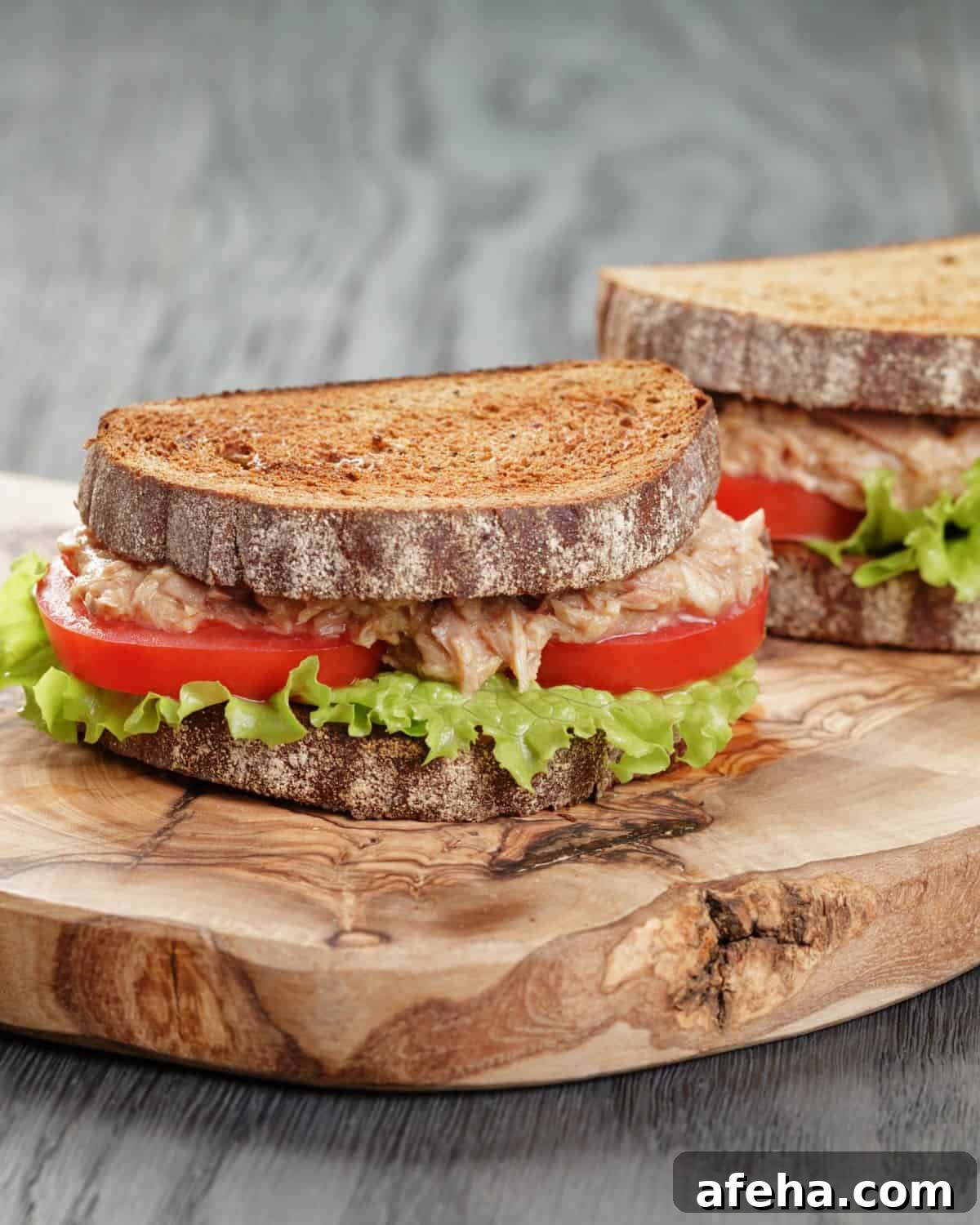
- Toast with butter or cream cheese for breakfast.
- Use thin slices for a classic Reuben sandwich.
- Serve beside split pea, potato, or vegetable soups.
- Use for deli-style sandwiches or charcuterie boards with cheese, meats, and pickles.
- Make crostini or bruschetta from toasted slices.
- Top toasted slices with avocado and a fried egg for brunch.
Making this bread in a bread machine
You can adapt the recipe for a bread machine, though results will differ from the Dutch oven method. Mix ingredients, allow the machine to knead and proof per its settings, then shape and finish the loaf in a pan and bake at 400 °F (200 °C) for about 40–45 minutes. Times and textures may vary, so expect to experiment.
Freshly baked Jewish rye from your kitchen will almost always beat store-bought—it’s worth the effort.
More bread recipes
- HOMEMADE BREAD IN A DUTCH OVEN
- HOLIDAY SWEET BRAIDED BREAD
- THE BEST BANANA BREAD RECIPE
- CHOCOLATE CHIP BANANA BREAD WITH PEARS
- CHOCOLATE MONKEY BREAD FROM SCRATCH
DARK RYE BREAD
Julia
Equipment
-
1 Dutch oven
Ingredients
- 1 cup (125 g) rye flour
- 2 cups (240 g) all-purpose flour
- ½ teaspoon (2 g) dry yeast
- 2 teaspoons (12 g) salt
- 1 teaspoon (12 g) caraway seeds
- 1 ⅔ cup (395 ml) warm water warmed to temperature 130 °F / 55 °C
Instructions
-
In a large mixing bowl, combine rye flour, all-purpose flour, yeast, caraway seeds, salt, and warm water. Stir until a sticky dough forms. Cover and let rest at room temperature for 3 hours.1 cup (125 g) rye flour, 2 cups (240 g) all-purpose flour, ½ teaspoon (2 g) dry yeast, 2 teaspoons (12 g) salt, 1 teaspoon (12 g) caraway seeds, 1 ⅔ cup (395 ml) warm water
-
Turn the dough onto a lightly floured surface, fold it over itself a few times, and shape into a ball. Add a little more flour if the dough is overly sticky.
-
Place the dough on parchment paper inside a bowl, cover, and let rise 20 minutes.
-
Preheat the oven to 450 °F (230 °C) with a Dutch oven and lid inside for 30 minutes.
-
Carefully place the dough with parchment into the hot Dutch oven, cover, and bake 35 minutes. Remove the lid and bake another 15 minutes until deeply browned.
-
Transfer the loaf to a wire rack and cool completely before slicing and serving.