Many culinary terms belong to the language of the kitchen. Learning their meanings helps you follow recipes and improve your cooking. Below is an A–Z glossary of common (and some less common) cooking terms you may encounter.
A:
- Acidulate – to make a preparation slightly acidic by adding an acid such as lemon juice or vinegar to brighten and balance flavors.
- Aerate – to incorporate air into a batter or dough by whisking, beating, or sifting to produce a lighter texture.
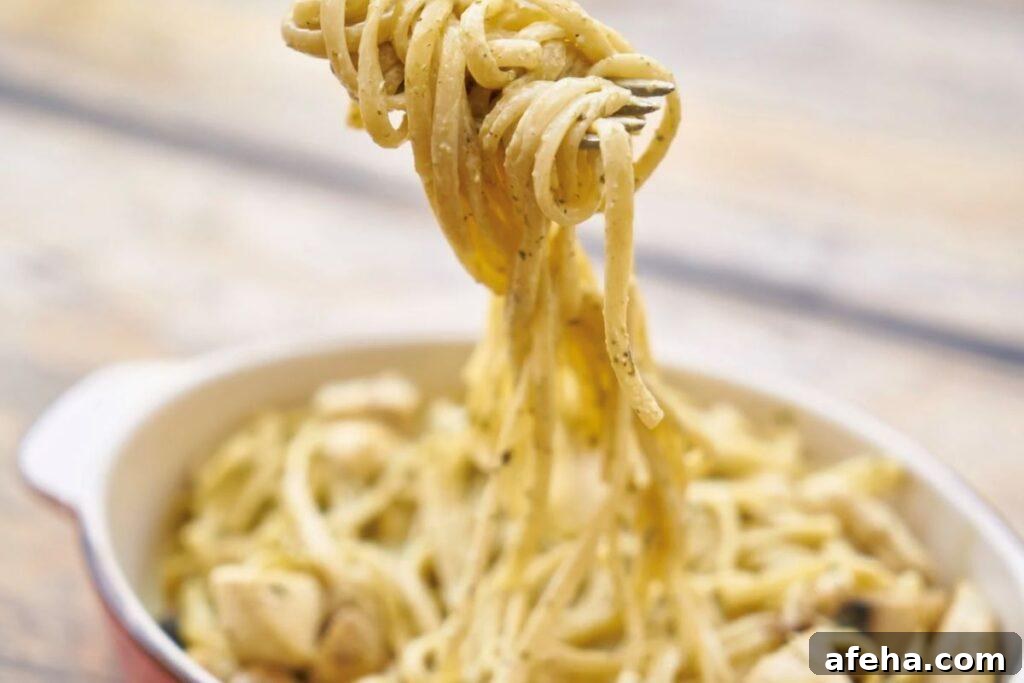
- Al dente – an Italian phrase meaning “to the tooth”; applied to pasta or rice cooked until tender but still slightly firm when bitten.
- Aromatics – flavoring ingredients (onion, garlic, ginger, herbs, spices) sautéed or simmered to build a dish’s foundational aroma and taste.
- Au gratin – a preparation topped with cheese and/or breadcrumbs and baked until the surface is golden and crisp.
B:
- Bake – to cook food using dry heat, typically in an oven, producing even cooking and often a browned exterior.
- Baste – to moisten food with its own juices, melted fat, or a sauce during cooking to keep it succulent and flavorful.
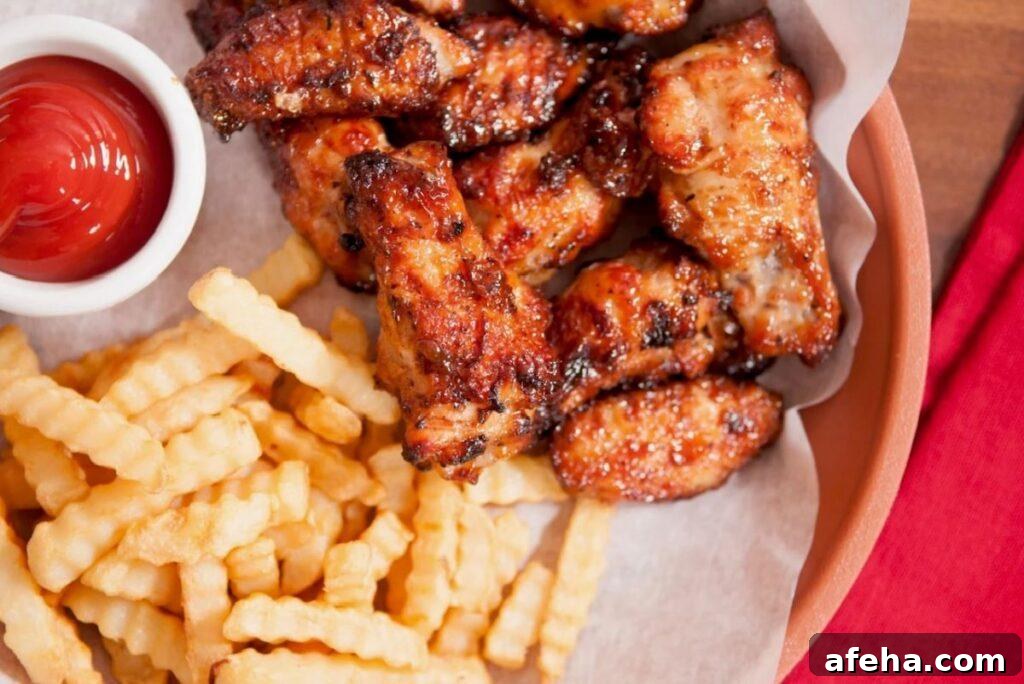
- Barbecue (BBQ) – to cook food slowly over indirect heat from charcoal, wood, or smoke, developing deep, smoky flavors and tender texture.
- Beat – to mix vigorously with a whisk, spoon, or electric mixer to combine ingredients and incorporate air.
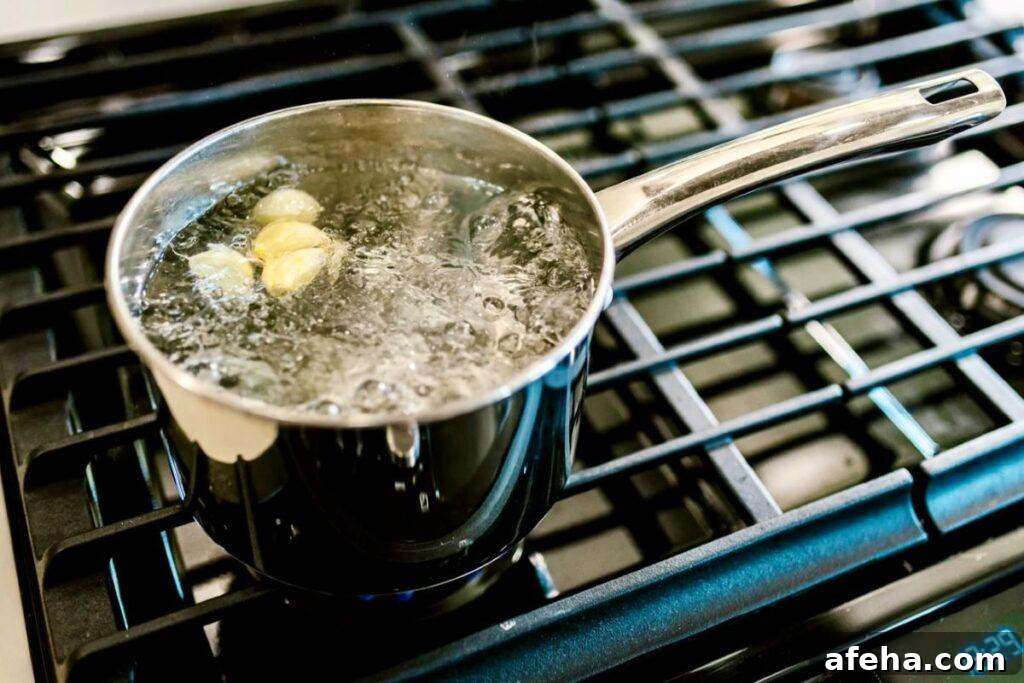
- Blanch – to briefly cook food in boiling water and immediately cool it in an ice bath to stop cooking; used for vegetables, tomatoes, and nuts.
- Blind bake – to bake a pastry shell before adding the filling to prevent sogginess.
- Bloom (spices) – to release and deepen flavors by gently heating ground spices in fat.
- Bloom (yeast) – to activate yeast by dissolving it in warm liquid with a bit of sugar until it becomes foamy.
- Boil – to heat a liquid until vigorous bubbles rise and break the surface (212°F / 100°C at sea level).
- Braise – to brown food, then cook it slowly in a small amount of liquid in a covered pot until tender.
- Brine – to soak foods in a saltwater solution to season, tenderize, and sometimes preserve.
- Broil – to cook food directly under high heat, producing quick browning and a crisp exterior.
- Butterfly – to cut a piece of meat, poultry, or seafood horizontally without slicing through, creating a thinner, more even piece.
C:
- Caramelize – to cook natural sugars in foods until they brown and develop sweet, complex flavors, commonly done with onions.
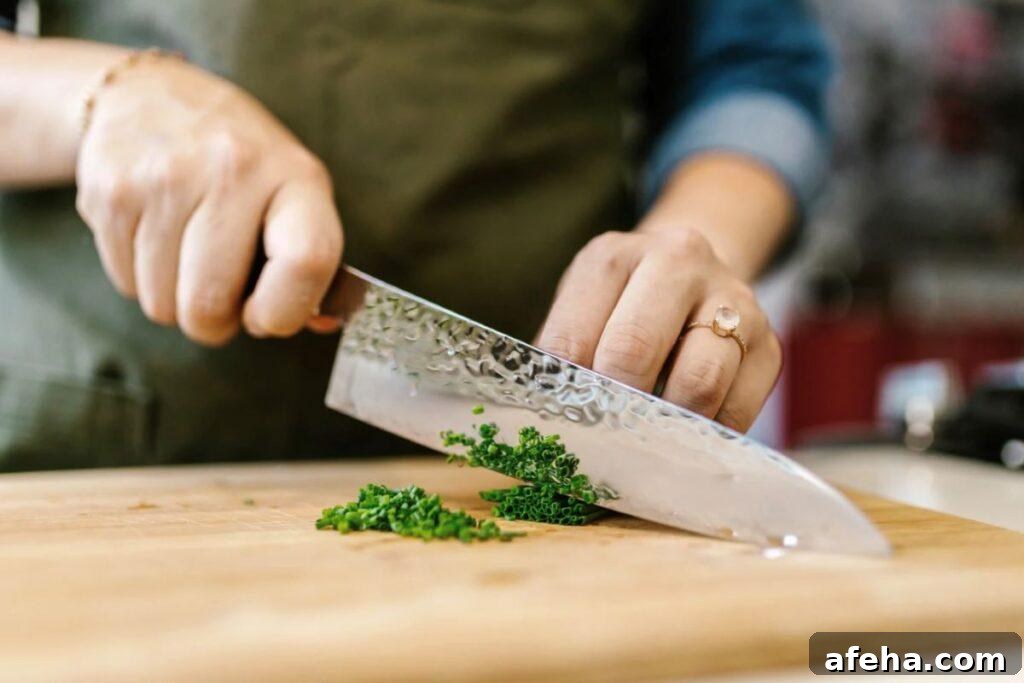
- Chiffonade – to stack, roll, and slice leafy greens or herbs into thin ribbons.
- Chop – to cut food into bite-sized pieces using a knife.
- Churn – to agitate a liquid or cream to incorporate air and transform texture, as when making butter or ice cream.
- Clarify – to remove solids from a liquid (like butter or stock) to obtain a clear finish.
- Coat – to evenly cover an item with flour, crumbs, batter, or sauce for texture and flavor.
- Confit – a slow-cooking and preserving technique in which meat is cooked and stored in its own fat at low temperature.
- Cream – to beat ingredients, typically butter and sugar, until smooth and fluffy.
- Crush – to break ingredients into coarse pieces to release flavor or change texture.
- Cube – to cut food into uniform cubes for even cooking and presentation.
- Cut – a general term for slicing or portioning food with a knife or tool.
D:
- Deep-fry – to immerse food fully in very hot oil so it cooks quickly and develops a crisp exterior.
- Deglaze – to add liquid to a hot pan to dissolve browned bits (fond) and create a sauce.
- Dice – to cut food into small, uniform cubes, typically 1/4 to 1/2 inch.
- Dollop – a small spoonful or rounded portion of a soft ingredient, such as sour cream or whipped cream.
- Dredge – to lightly coat food in flour, breadcrumbs, or another dry ingredient before cooking.
- Dress – to add a sauce or seasoning to a dish, commonly used for salads.
- Drizzle – to pour a thin stream of liquid over a dish as a finishing touch.
- Dust – to lightly sprinkle a fine powder like flour or powdered sugar over food.
E:
- Egg wash – beaten egg, sometimes thinned with water or milk, brushed on pastry to create shine and color.
- Emulsion – a stable mixture of two liquids that normally separate (oil and water), created by breaking one into tiny droplets dispersed in the other.
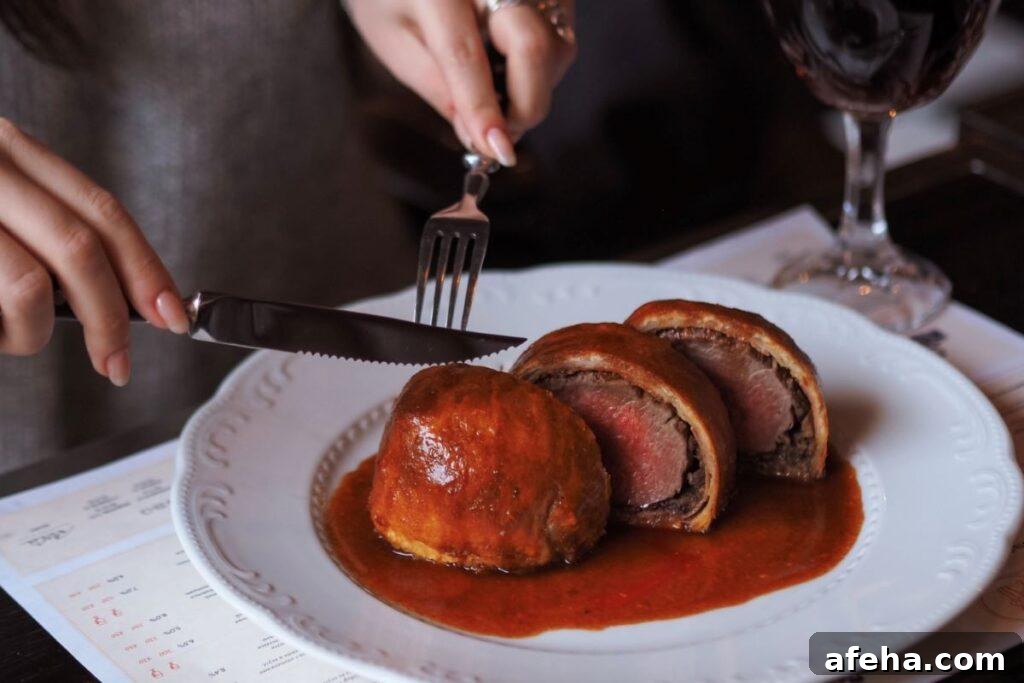
- En croûte – a food item wrapped in pastry and baked, such as beef en croûte.
- En papillote – food sealed in parchment or foil and baked, cooking in its own steam for gentle, concentrated flavor.
- Enrich – to boost flavor, texture, or nutritional content by adding ingredients like cream, butter, or egg yolks.
- Escabeche – cooked meat or fish marinated in a tangy vinegar-based sauce with spices and herbs.
- Evaporate – to convert liquid into vapor through heating, often used to concentrate flavors.
- Extract – to draw out flavor by steeping or macerating ingredients in liquid, such as making vanilla or herb extracts.
F:
- Ferment – to convert sugars into acids, gases, or alcohol using microorganisms; used for bread, yogurt, kimchi, and more.
- Fillet – a boneless, trimmed cut or slice of meat, poultry, or fish.
- Flambé – to add alcohol to a hot pan and ignite briefly, burning off the alcohol and concentrating flavor.
- Florentine – a preparation featuring spinach (often with cream or cheese), as in eggs Florentine.
- Fond – the browned bits left in a pan after searing, used as the base for sauces.
- Fold – to gently combine delicate ingredients to preserve air and volume, common in baking and mousse preparation.
- Fricassée – meat or poultry sautéed and then simmered in a seasoned sauce until tender.
- Frittata – an Italian egg-based dish similar to an omelet or crustless quiche, cooked on the stovetop and often finished in the oven.
G:
- Garnish – a finishing touch added for flavor, texture, or visual appeal, such as herbs, zest, or grated cheese.
- Glaze – a glossy coating brushed or poured over food to add shine, flavor, and moisture retention.
- Grate – to shred food into fine pieces by rubbing it against a grater.
- Grease – to apply a thin layer of fat to a pan to prevent sticking.
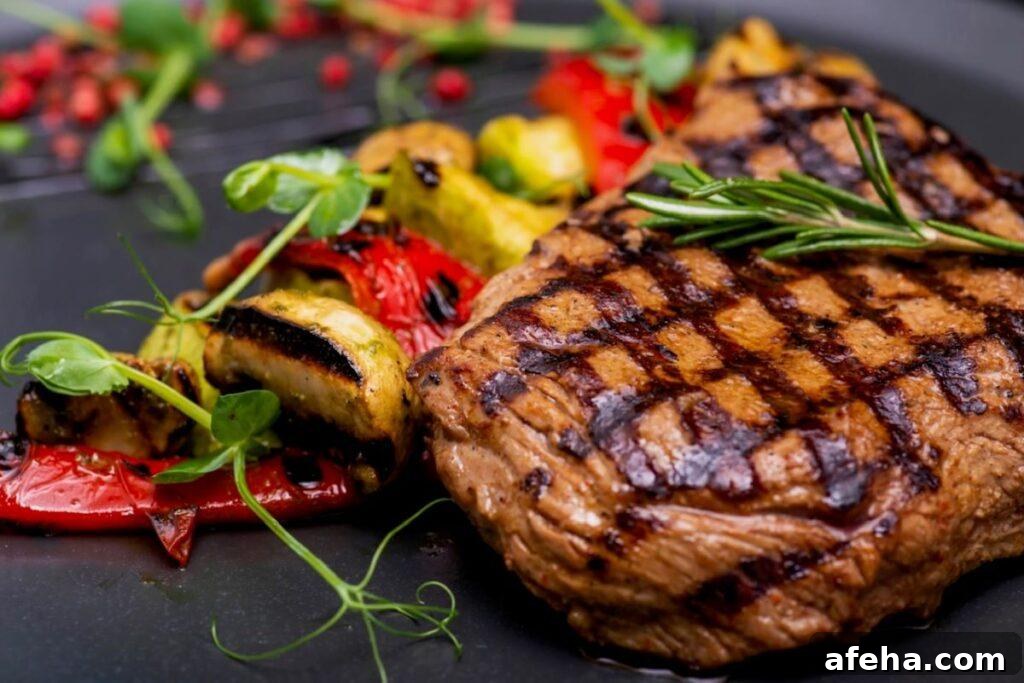
- Grill – to cook over direct dry heat from flames or hot coals for char and flavor.
- Griddle – a flat cooking surface used for searing, browning, and cooking items like pancakes and sandwiches.
H:
- Hard-boil – to cook eggs in their shells until both whites and yolks are fully set.
- Hash – a skillet dish of chopped or diced meat, potatoes, and vegetables fried together.
- Hull – to remove the outer casing or inedible part of fruits or seeds, such as strawberry hulls or pea pods.
I:
- Ice bath – a bowl of ice water used to rapidly cool foods and stop the cooking process; also called shocking.
J:
- Julienne – to cut food into long, thin matchstick-like strips for even cooking and attractive presentation.
K:
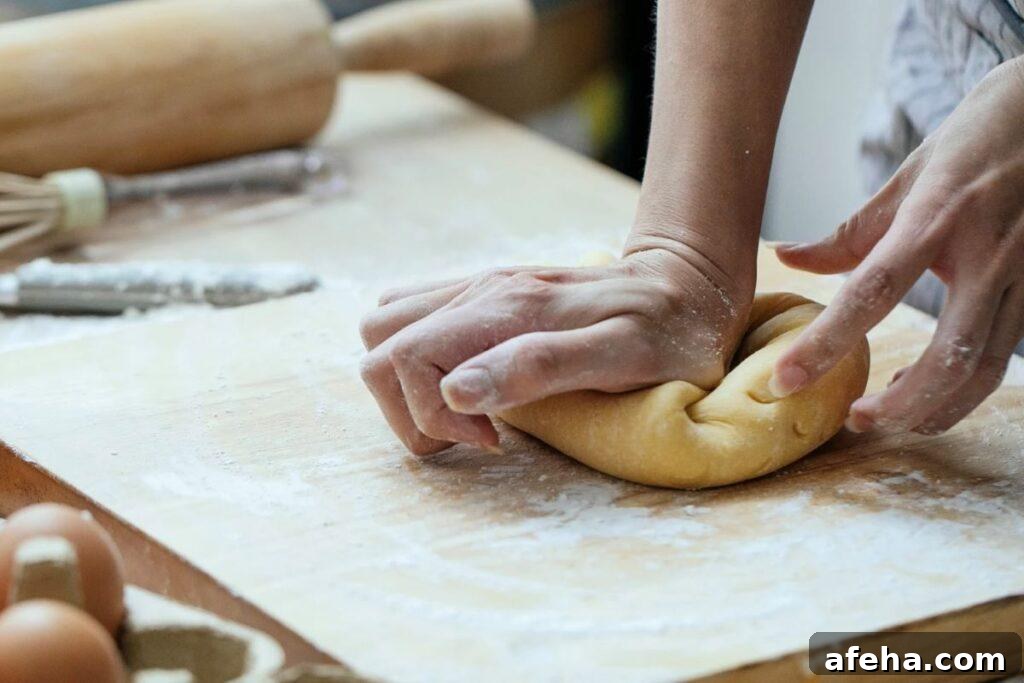
- Knead – to work dough by hand or with a mixer to develop gluten, creating structure and elasticity.
L:
- Lattice – a decorative crisscross pattern of dough strips, commonly used as a pie topping.
- Leaven – a substance (yeast, baking powder) that produces gas to make dough or batter rise and become light.
M:
- Macerate – to soak fruit or other ingredients in a liquid (syrup, wine, or liquor) to soften and infuse them with flavor.
- Marinate – to soak food in a seasoned liquid to tenderize and flavor before cooking.
- Melt – to turn a solid into a liquid by applying heat, commonly used for butter and chocolate.
- Mince – to chop ingredients very finely to disperse flavor evenly throughout a dish.
N:
- Nouvelle – a modern French cooking style that emphasizes fresh ingredients, lighter sauces, and artistic presentation.
O:
- Off-heat – to remove a pot or pan from the heat source so it stops cooking immediately.
P:
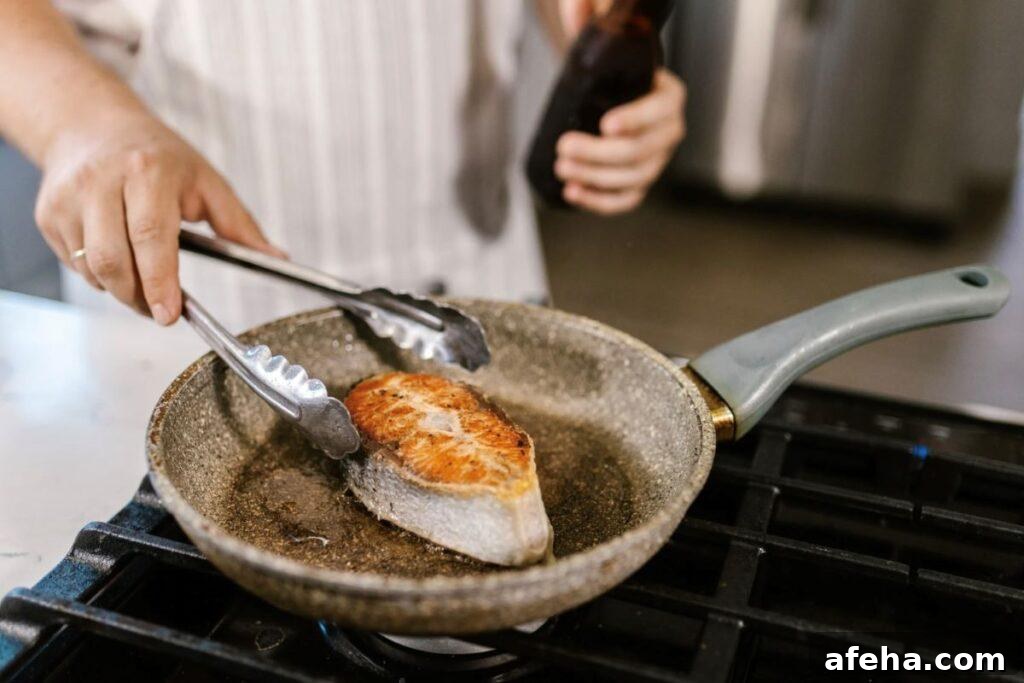
- Pan-fry – to cook food in a small amount of hot fat in a skillet, producing a browned exterior and moist interior.
- Par-boil – to partially boil food to soften it before finishing with another cooking method like grilling or frying.
- Peel – to remove the outer skin or rind from fruits and vegetables.
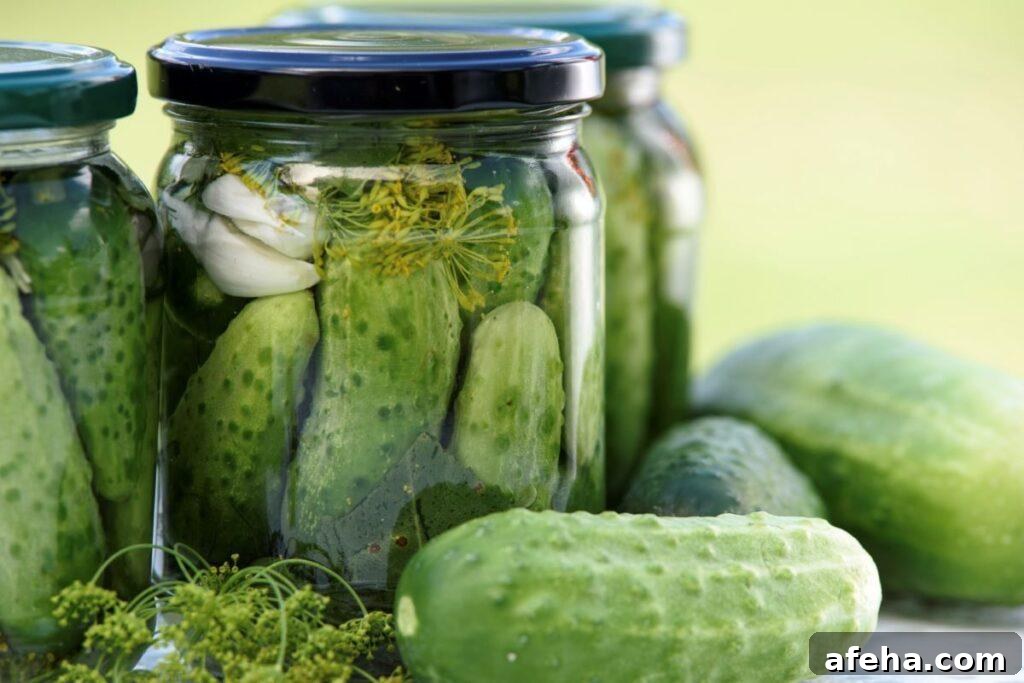
- Pickle – to preserve or flavor foods in vinegar or brine, often with added spices.
- Poach – to cook gently in simmering liquid, preserving delicate textures for eggs, fish, and fruit.
- Pre-heat – to bring an oven or appliance to the desired temperature before cooking for even results.
- Proof – to let yeast dough rise in a warm environment until it increases in volume and becomes airy.
- Purée – to blend food to a smooth, uniform consistency for soups, sauces, and baby food.
Q:
- Quick pickling – a fast method of preserving with a vinegar, water, sugar, and salt brine, often flavored with herbs and spices.
- Quatre-épices – a French spice blend traditionally containing pepper, cloves, nutmeg, and ginger.
R:
- Reduce – to simmer a liquid until some water evaporates, concentrating flavor and thickening texture.
- Render – to melt and clarify fat from meat by gentle heating so it can be used for cooking or storage.
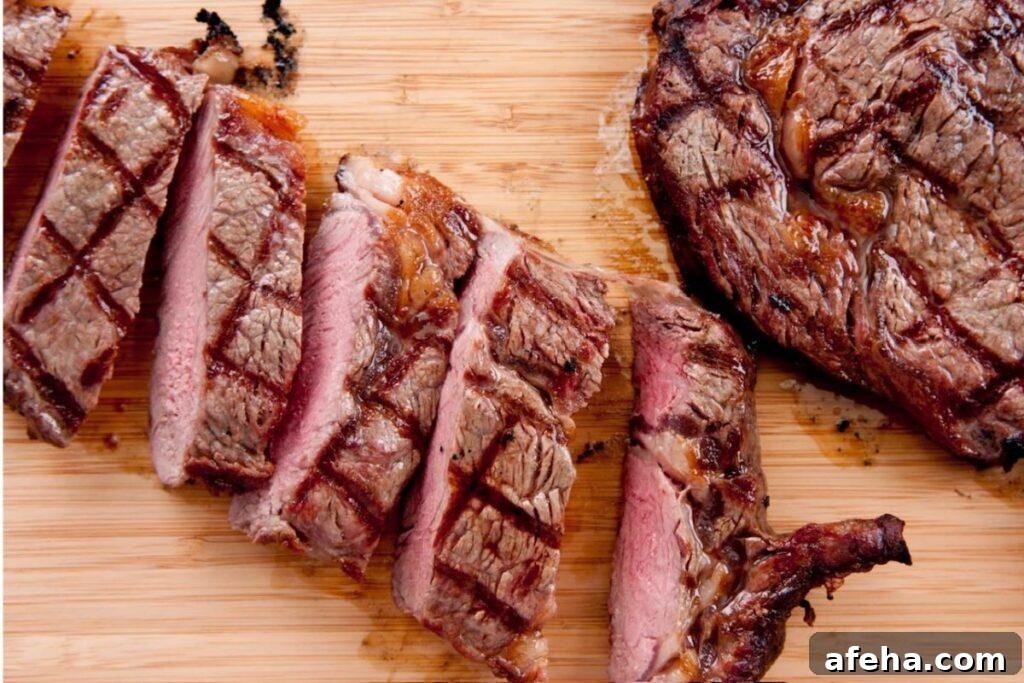
- Rest – to let cooked meat sit before slicing so juices redistribute and the meat stays moist.
- Roast – to cook with dry heat in an oven, producing a browned exterior and tender interior.
- Roux – a cooked mixture of fat and flour used to thicken sauces, gravies, and soups.
S:
- Salt – to season food with salt to enhance and balance flavors.
- Sauté – to quickly cook food in a small amount of hot oil or fat over medium-high heat.
- Score – to make shallow cuts across the surface of meat, fish, or bread to control expansion and allow flavors to penetrate.
- Sear – to brown the surface of food over high heat to create flavor and texture.
- Shock – to immediately cool blanched or cooked food in an ice bath to stop cooking and preserve color and texture.
- Sift – to pass dry ingredients through a sieve to remove lumps and aerate them.
- Simmer – to cook liquid at a temperature just below boiling, producing small, gentle bubbles.
- Skim – to remove foam or fat from the surface of a liquid with a spoon or skimmer.
- Slice – to cut food into thin, flat pieces.
- Slurry – a blend of cold liquid and a starch (like cornstarch) used to thicken sauces when added to hot liquids.
- Smash – to flatten or crush an ingredient to release flavor or alter texture, as with garlic or potatoes.
- Smoke – to expose food to smoke from burning wood or chips to impart smoky flavor and aid preservation.
- Sous vide – to cook vacuum-sealed food in a precisely controlled water bath for even doneness and tenderness.
- Steam – to cook with moist heat by placing food above simmering water so steam gently cooks it.
- Stock – a flavorful liquid made by simmering bones, meat, vegetables, and aromatics; used as the base for soups and sauces.
- Stir – to combine ingredients with a circular motion, ensuring even distribution.
- Stir-fry – to quickly cook small pieces of food over high heat while stirring continuously, typically in a wok.
T:
- Tear – to pull food apart by hand into smaller pieces.
- Temper – to adjust temperatures gradually (for example, adding hot liquid to eggs) to prevent curdling.
- Tenderize – to break down muscle fibers in meat using pounding, marinating, or mechanical tools to make it more tender.
- Thicken – to increase a liquid’s viscosity using reductions or thickening agents like roux or cornstarch slurry.
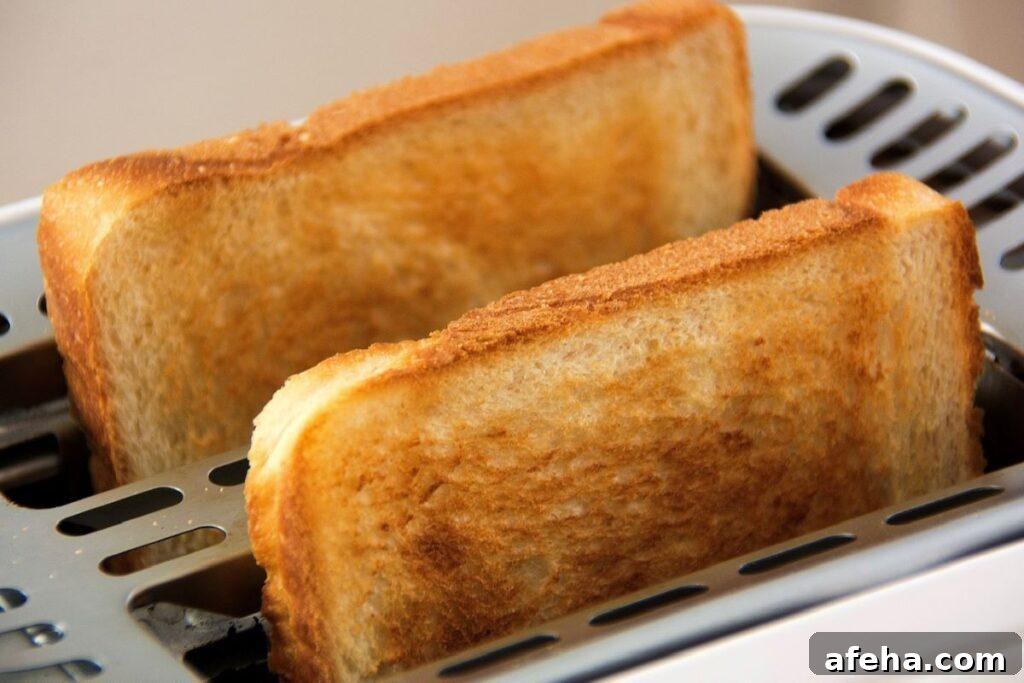
- Toast – to brown bread, nuts, or spices with dry heat to deepen flavor and add crunch.
- Toss – to gently mix ingredients by lifting and turning them, commonly used for salads.
- Truss – to tie poultry or meat with twine so it cooks evenly and maintains its shape.
U:
- Umami – the savory, meaty taste recognized as one of the five basic tastes, found in ingredients like soy sauce, mushrooms, and aged cheeses.
V:
- Velouté – a smooth French sauce made from a white stock thickened with a roux, used as a base for other sauces.
- Vichyssoise – a chilled puréed soup made from leeks, potatoes, cream, and stock, typically served cold and garnished with chives.
- Vinaigrette – a simple dressing of oil and vinegar seasoned with salt, pepper, and often herbs or mustard, used on salads and vegetables.
W:
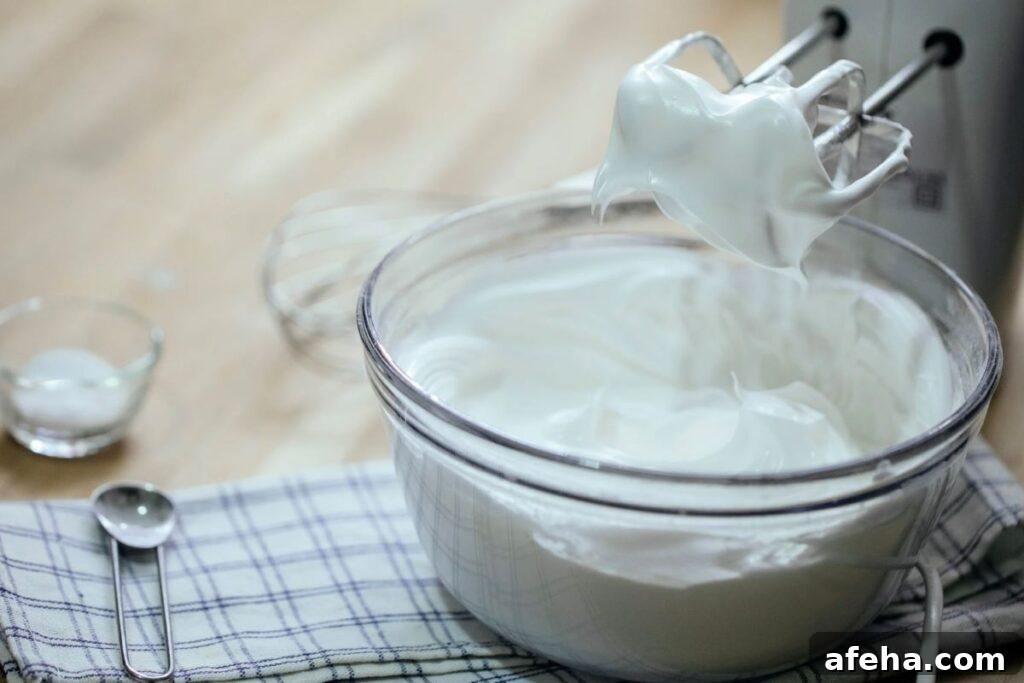
- Whip – to beat a mixture rapidly to incorporate air and increase volume, as with cream or egg whites.
- Whisk – to mix ingredients using a wire whisk to incorporate air or blend liquids smoothly.
Y:
- Yakiniku – a Japanese style of grilling bite-sized meats and vegetables over charcoal or an open flame, typically served with dipping sauces.
- Yolk – the yellow center of an egg, rich in fats, proteins, and nutrients; used for flavor, texture, and emulsifying.
Z:
- Zest – the fragrant colored outer peel of citrus fruits, grated or sliced to add bright aroma and flavor.