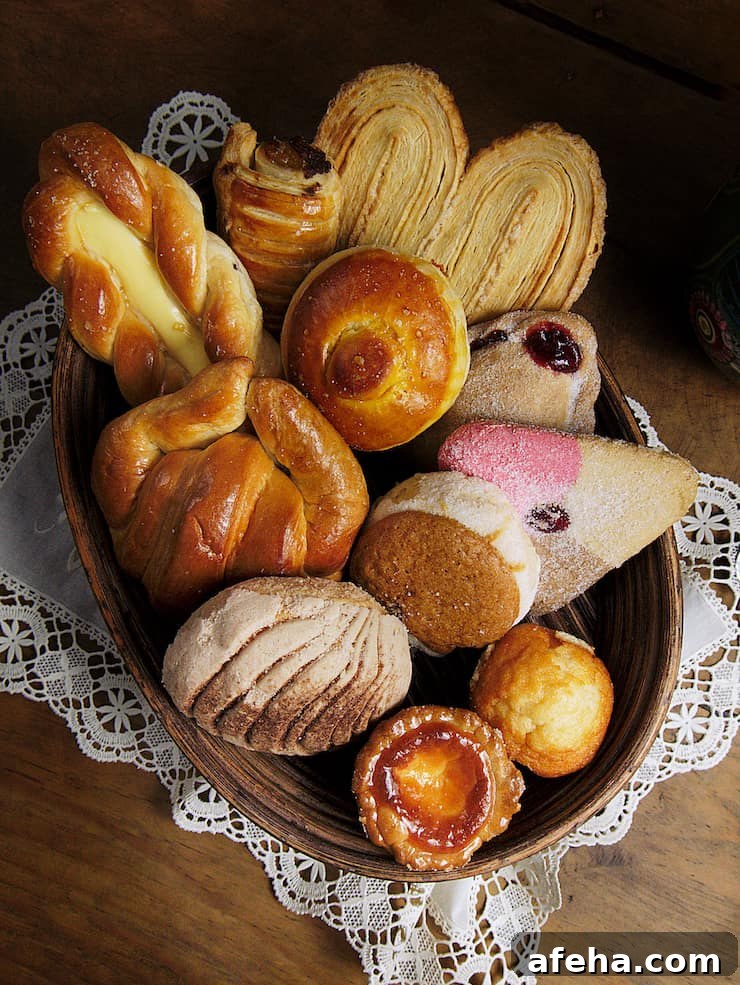
This article is a comprehensive guide to Mexico’s beloved pan dulce (sweet bread), covering many of the traditional varieties you’ll find in panaderías across the country.
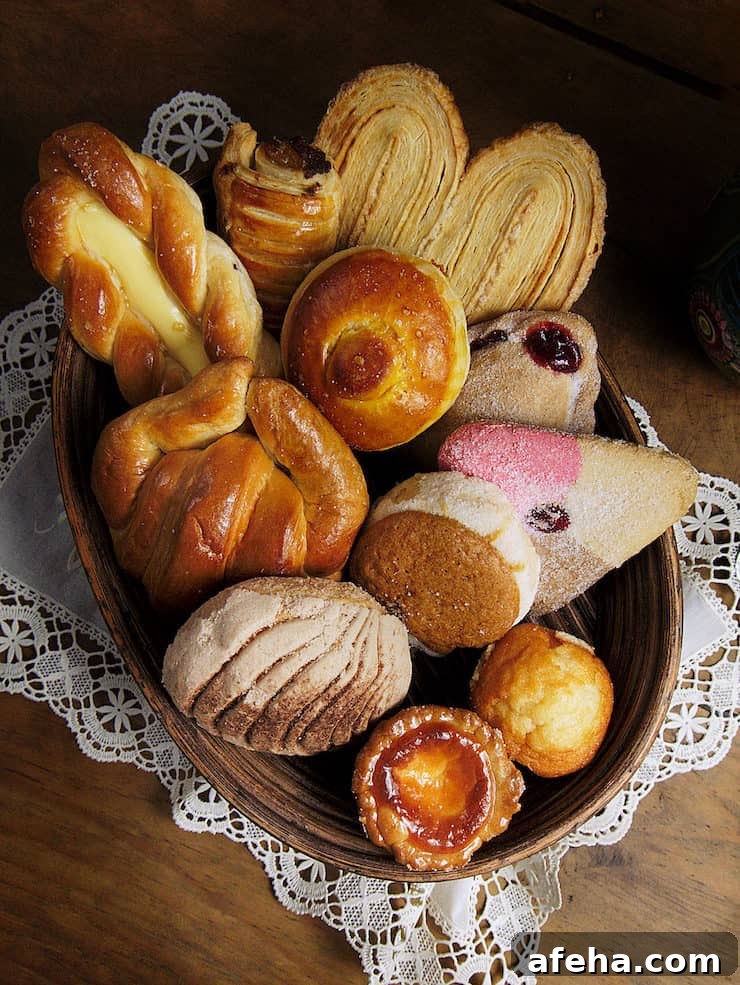
Homemade Conchas, Sweet Peach Empanadas, and Cinnamon Churro Sticks—so many favorites. I love the history behind food, and walking into a panadería never fails to mesmerize me with the aromas of pastries, sweet breads, and cookies. Often I wish every item were labeled so I could learn their names; some panaderías do, but most do not.
Putting together this guide and photographing these breads has inspired me to try baking many of them at home. If you don’t live near a panadería, I’ve linked a few recipes to get you started.
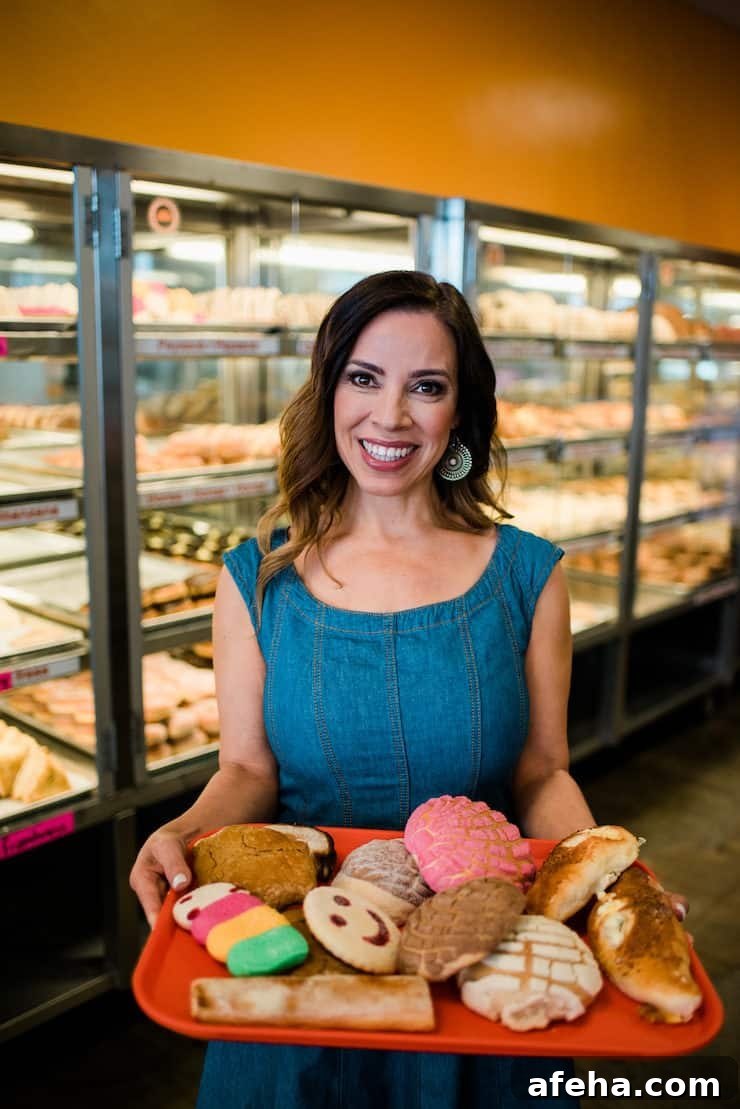
Before the Spanish arrived, indigenous sweets in Mexico were very different from modern pan dulce. The Spanish introduced wheat and European baking techniques, and over time those methods were adapted using local ingredients. Later, French baking traditions also influenced Mexican pastries, and many hybrid forms emerged that remain popular today.
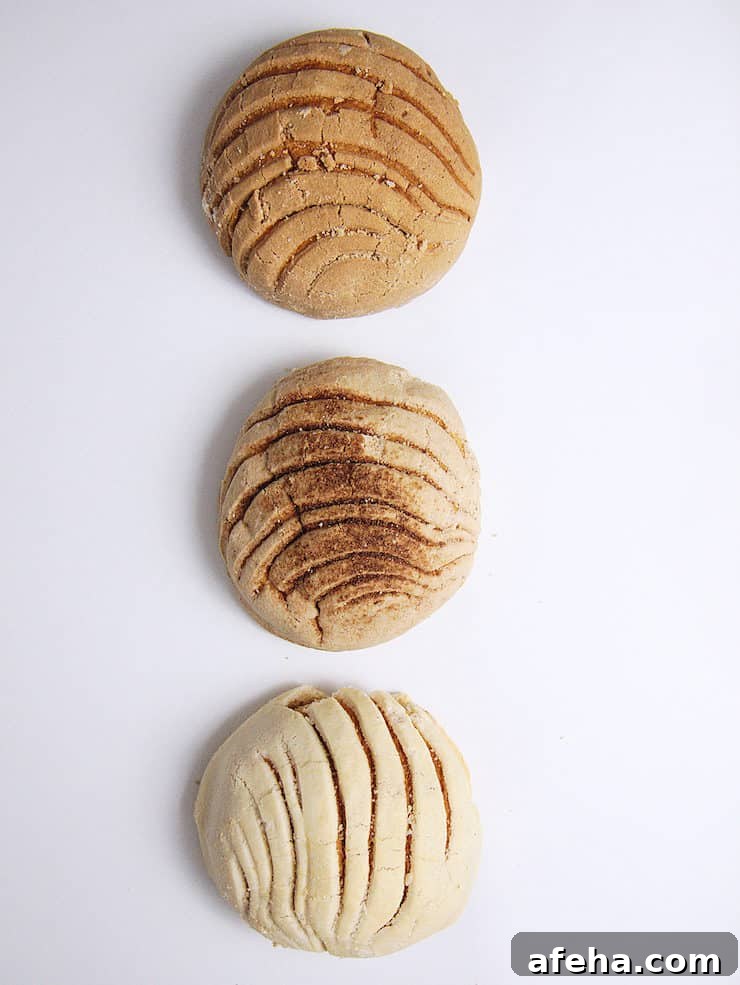
New breads developed from Spanish and French influences, with shapes, ingredients, and names evolving over time. Many pan dulce names are playful or inspired by animals, objects, people, or places. Regional variations abound: each Mexican state or region may have its own recipes and specialties, shaped by local immigrant groups and bakers’ creativity.
There are likely hundreds—if not thousands—of pan dulces across Mexico. Some breads are seasonal or made only for fairs (pan de feria), while others are everyday treats. From my research, pan dulces typically fall into groups based on the dough: cake-like textures, brioche-style, crumbly shortcrust types, and puff pastry versions (some leavened with yeast). All are delicious in their own way.
Below is a guide to many common and regional pan dulces you’ll find in most panaderías. Names and availability may vary by bakery and region. Scroll down to find a video showcasing many of these breads.
Mexican pan dulce from A to Z
Alamar
Pretzel-shaped breads with a dry crumb and coarse white sugar on top. These are rare to find.
Almejas y Cacahuates
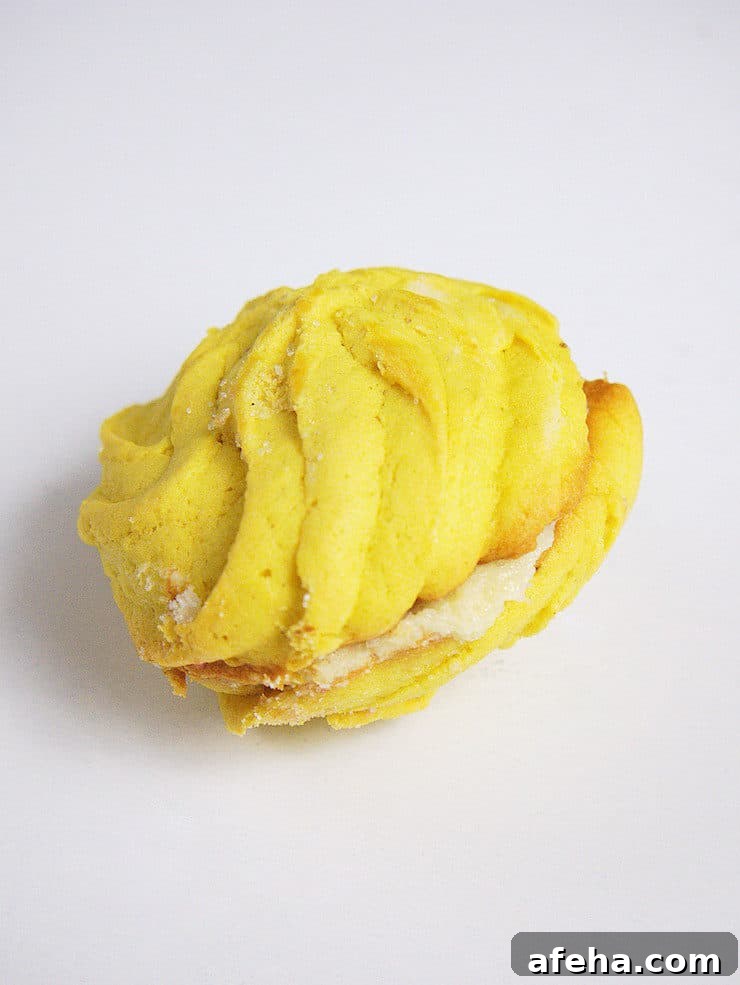
Named for clams (almejas) and peanuts (cacahuates), these are piped cookies with a pillowy, slightly cakey texture. Two halves are joined with sweetened whipped cream, resembling clam or peanut shells.
Banderilla
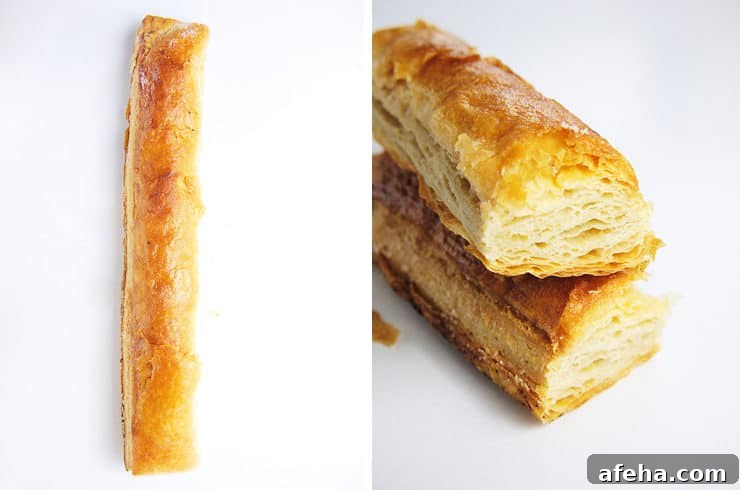
Long, thin puff pastry coated with sugar. When baked it develops flaky layers and a shiny, lightly sweet glaze.
Berlínes or Bolas de Berlín
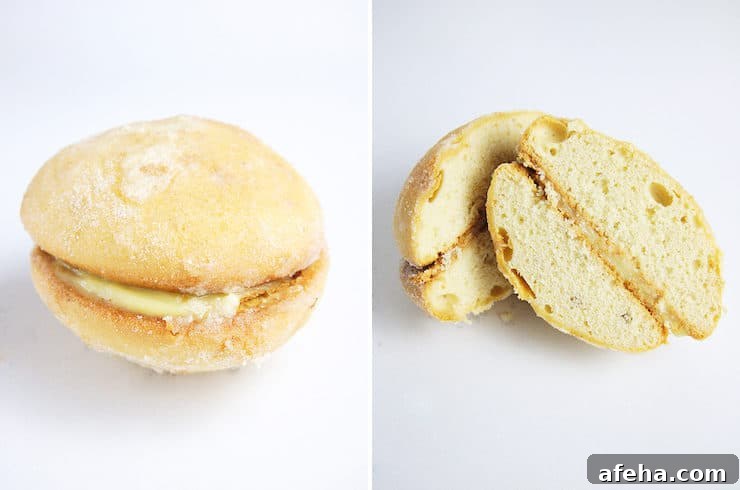
Fried donut balls filled with pastry cream or fruit jam and coated in sugar.
Besos or Yoyos
Two rounded cake-like cookies joined with jam or pastry cream, often covered in whipped cream and sugar. Besos means kisses, a name inspired by their appearance. Yoyos are similar and may be coated with jam and coconut or sugar.
Bigote
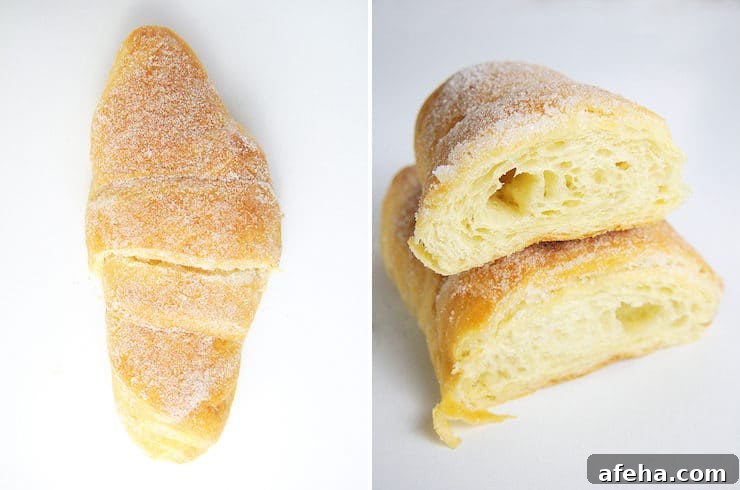
Literally “mustache,” this bread resembles a mustache rather than a crescent. It’s light and airy with a granulated sugar topping.
Bisquete
Similar to scones or American buttermilk biscuits, slightly savory with a hint of sweetness. Dense yet flaky, they pair well with butter, jam, coffee, or hot chocolate.
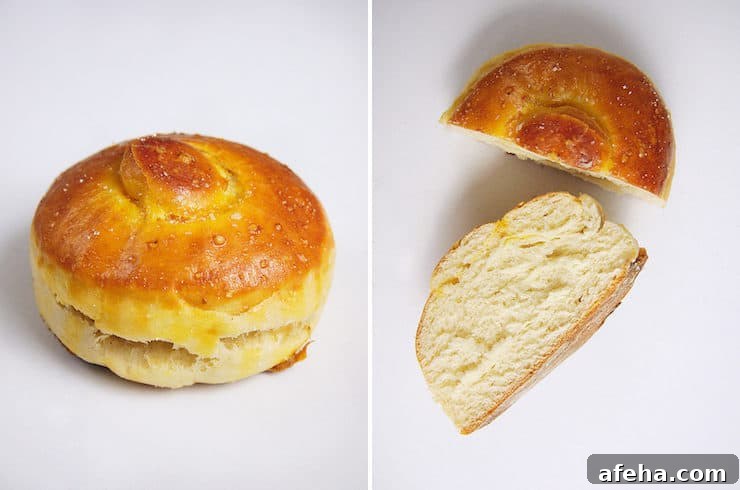
The same dough can be used for semáforos (stop-lights), rectangles marked with three circular spots to resemble traffic lights.
Brocas
Twisted puff pastry with the same buttery-sweet topping found on conchas, often dusted with sugar and available in chocolate or strawberry flavors.
Buñuelos (de rodilla & de viento)
Buñuelos de rodilla are fried dough rounds coated with cinnamon-sugar. Buñuelos de viento are made from a thinner batter and shaped using a rosette mold, resulting in lighter, crisp fritters.
Campechana
Circular or rectangular flaky pastries made from pie-like dough, baked with sugar that melts into a glossy glaze.
Canasta
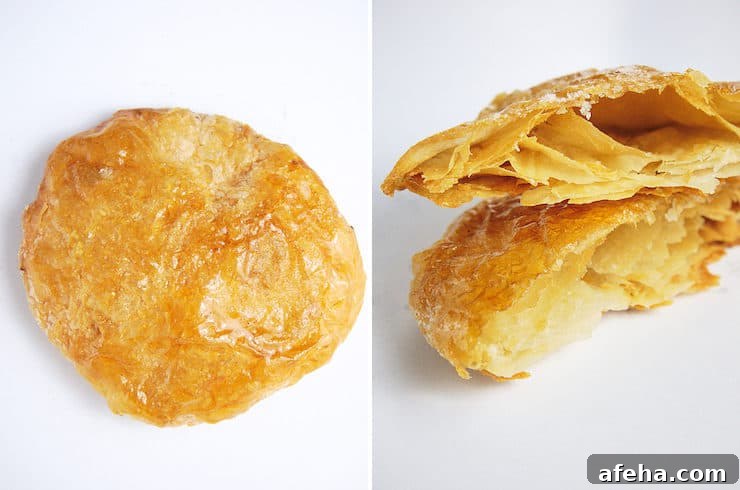
Danish-style basket-shaped pastry filled with sweet custard (crema pastelera).
Cemita or Semita
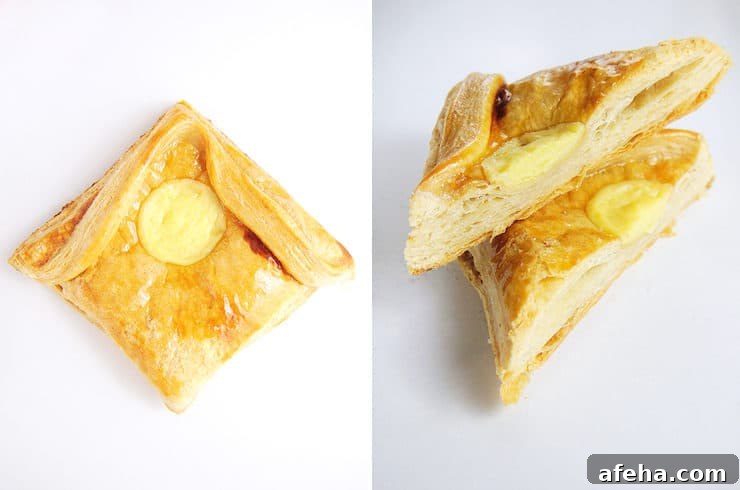
Round rolls that can be savory or sweet. Sweet versions vary by region and may include anise, cinnamon, cloves, piloncillo, raisins, or nuts.
Chilindrina
Resembling conchas but without the shell pattern, chilindrinas are sprinkled with coarse sugar and sometimes look like besos in certain regions.
Chinos
Muffin-like breads available in many flavors, often with nuts, chocolate, or raisins.
Churros
Fried choux-like dough rolled in cinnamon and sugar, typically hollow and sometimes filled with chocolate, cajeta, or pastry cream. Best enjoyed with hot chocolate.
Cocol
A traditional bread flavored with anise and cinnamon, topped with sesame seeds; considered one of Mexico’s oldest breads.
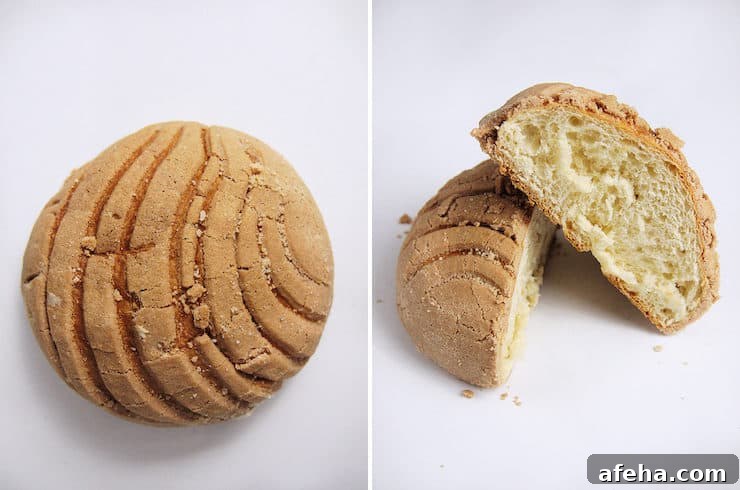
Conchas
Probably the most iconic pan dulce, conchas are pillowy, brioche-like buns topped with a buttery sugar crust patterned like a shell. Classic flavors include vanilla and chocolate, with colors ranging from white and brown to pink and yellow.
Cono or Corneta(o) or Barquillo
Flaky cone-shaped pastry filled with pastry cream or whipped cream.
Cortadillo
A square slice of cake topped with bright pink frosting and sprinkles.
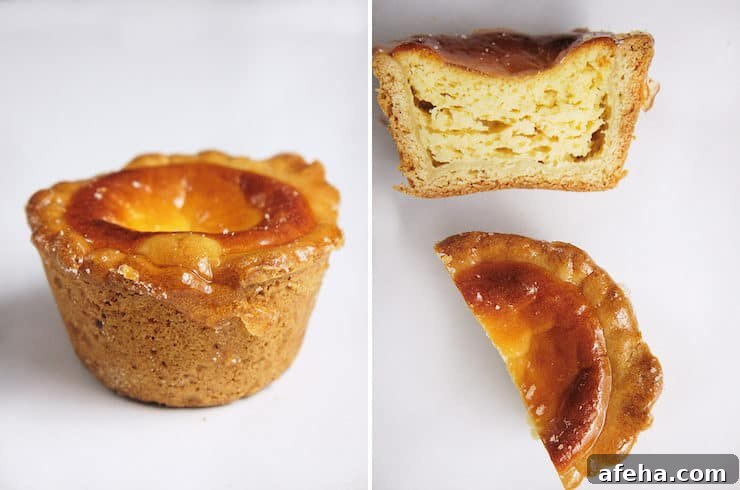
Cubilete
Small tart-like pies shaped like muffins, with a shortbread crust and a sweet cream cheese filling.
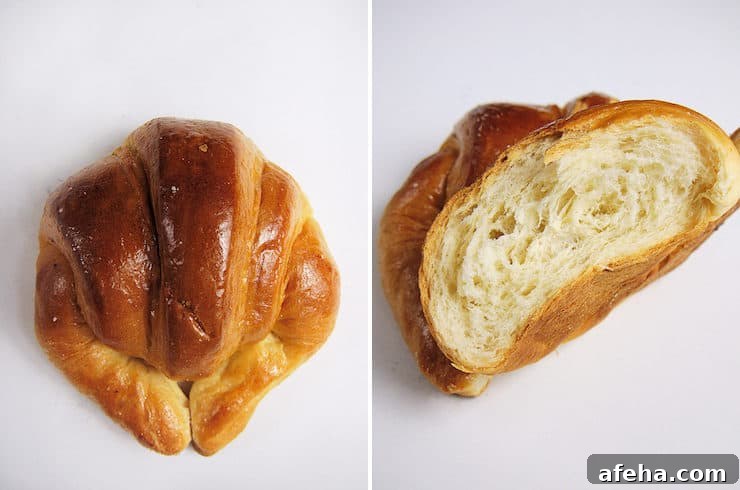
Cuernito or Cuerno
The Mexican cousin of the croissant, often less buttery but airy and sometimes glazed or filled with chocolate. The name means “little horn.”
Danesa
Danish-style flaky pastries filled with fruit jam or pastry cream, made in various shapes.
Donas
Mexican-style doughnuts available in countless varieties, found in bakeries, stores, and cafes.
Elotes
Not the grilled corn—these are corn-shaped shortcrust pastries coated in granulated sugar, a type of pan fino.
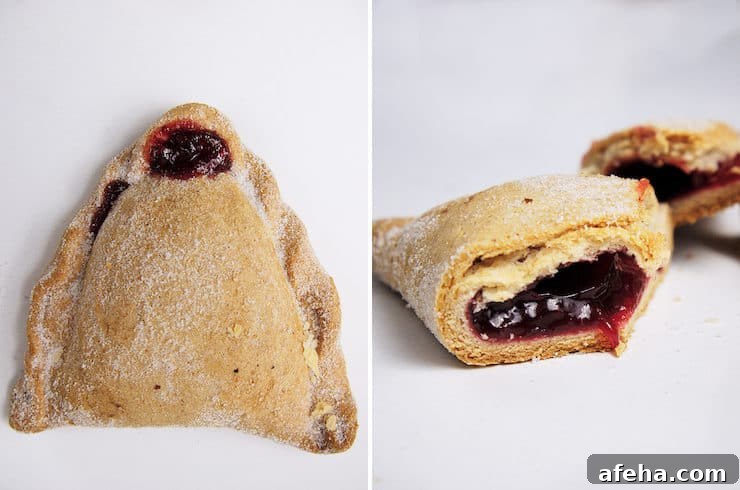
Empanadas
Turnovers that can be savory or sweet, filled with fruits like pineapple, strawberry, apple, peach, pumpkin, or cajeta. Dough ranges from shortcrust to flaky pastry.
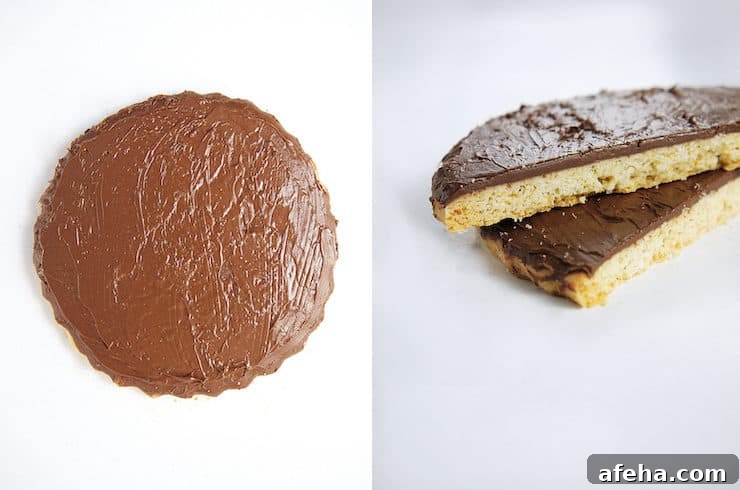
Espejo
Glossy round cookies topped with chocolate or white vanilla glaze; the name means “mirror.”
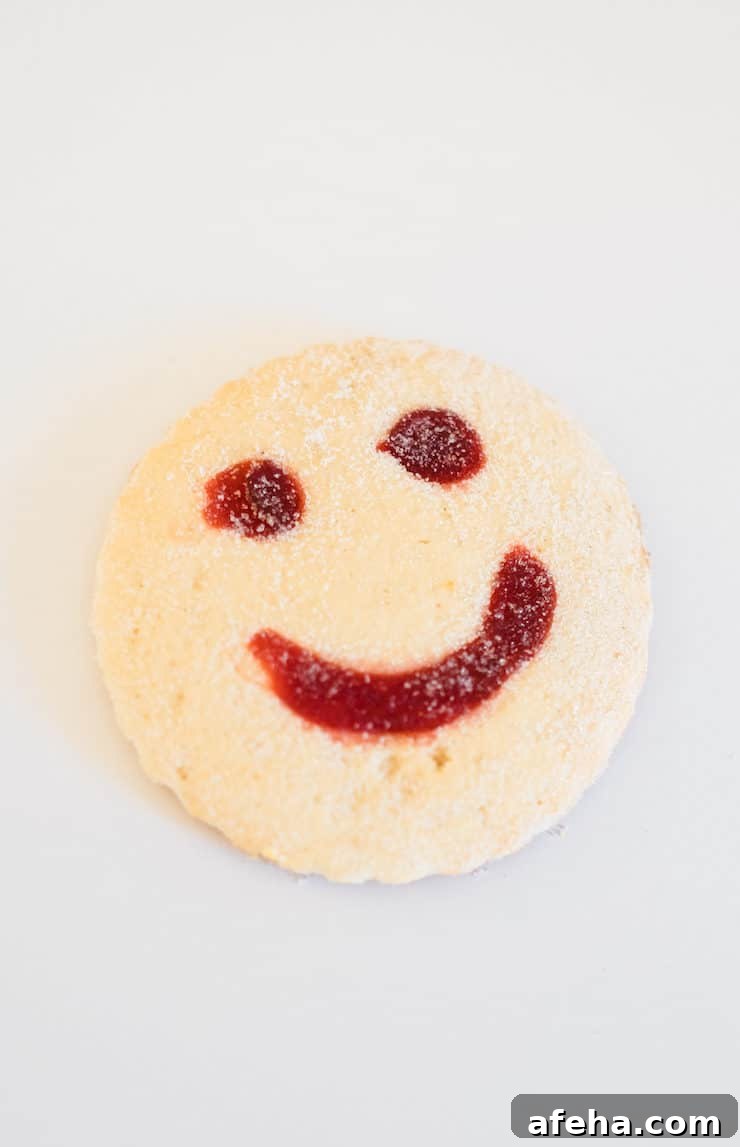
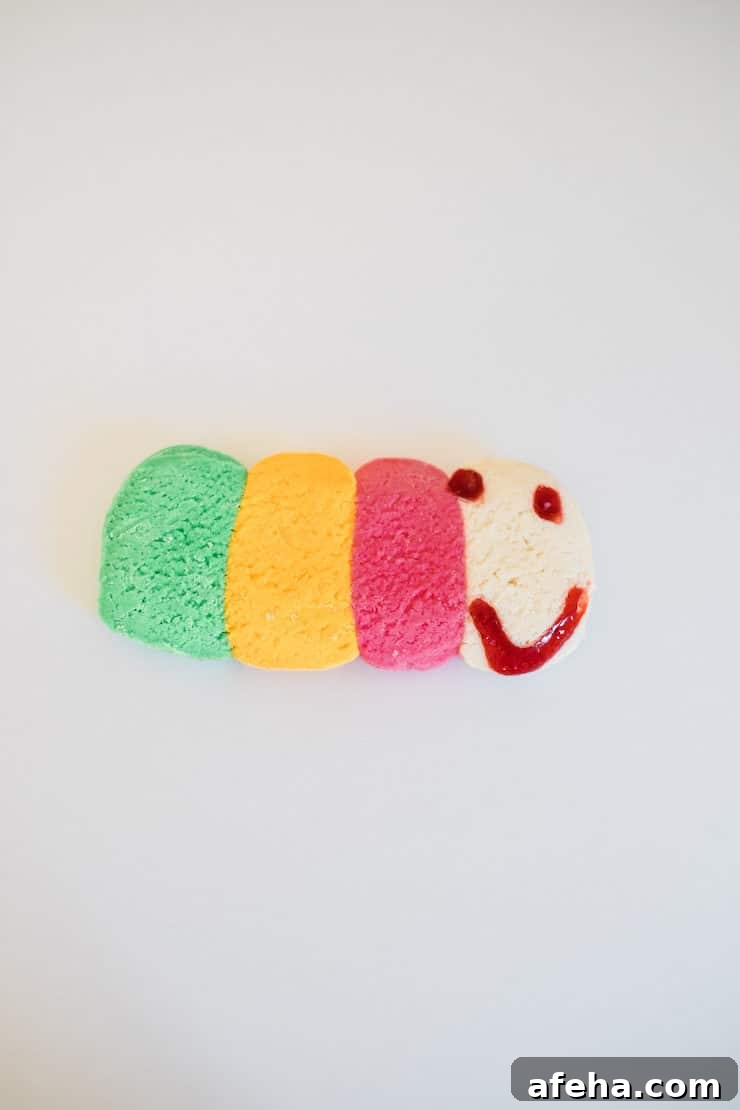
Galletas
Cookies that are usually shortbread-like, drier and not overly sweet. Varieties include nut cookies, shaped cookies, smiley-face cookies, and colorful designs popular with kids.
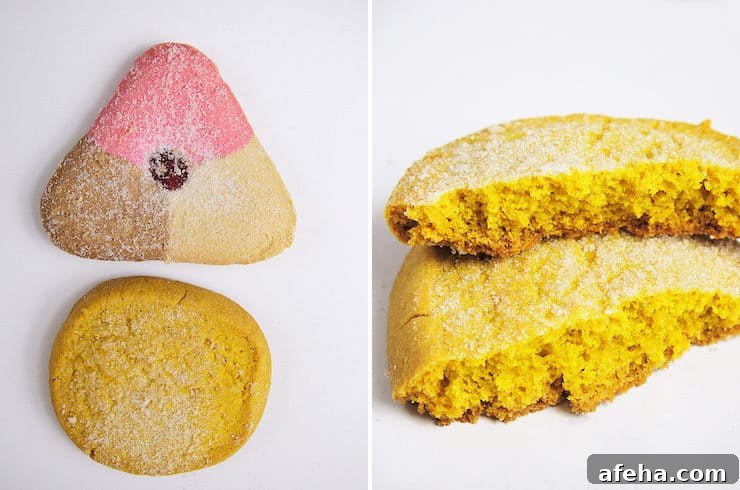
Polvorones are often labeled as galletas; they come in many shapes and colors, including tri-color versions and nut-based varieties.
Garibaldis
Vanilla-flavored thimble-shaped pound cakes coated with warm apricot jam and covered in white sprinkles. Dense, moist, and sweet.
Gendarme
A moist shortbread-like cookie enriched with egg, denser than a polvorón and shaped in a distinctive form.
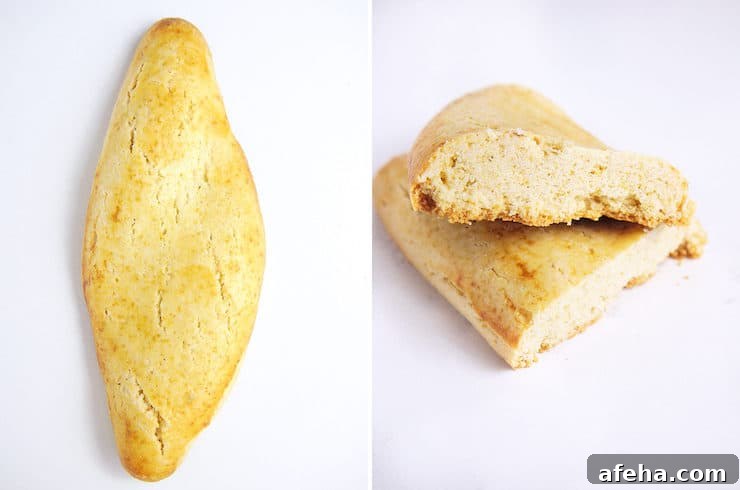
Gragea
Short, dry cookies topped with colorful nonpareil sprinkles—named after the sprinkles themselves.
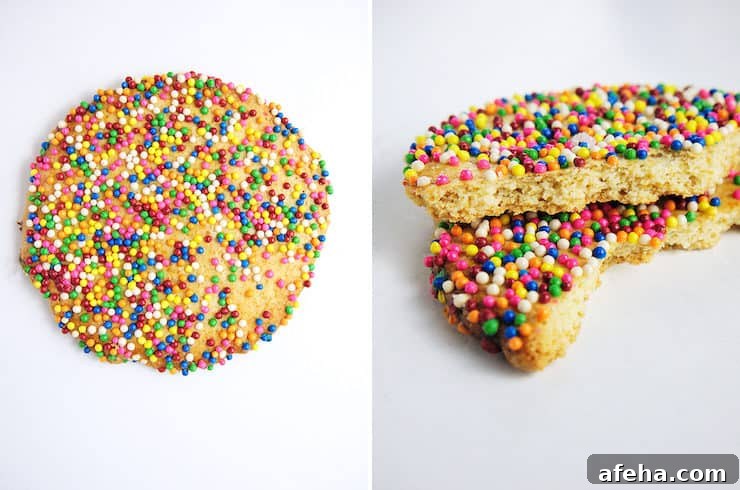
Gusano
Worm-shaped breads spiced with cinnamon and anise; textures range from crumbly to flaky, and some are filled with jam or custard.
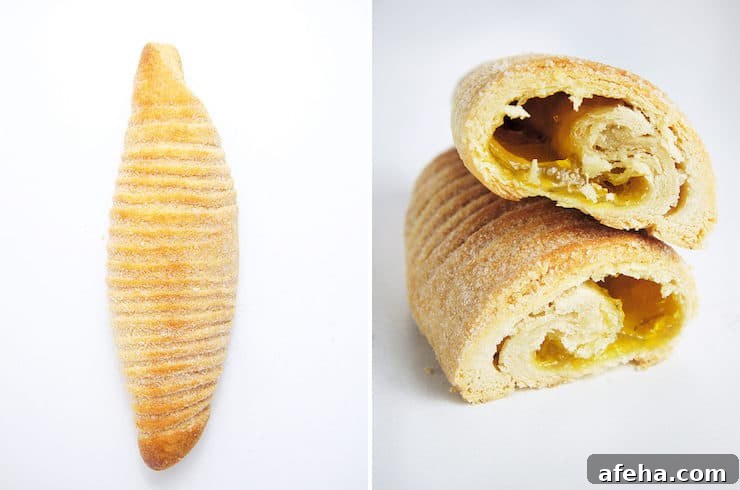
Hojaldras
Round, buttery, flaky rolls that are lightly sweet—perfect if you prefer simple pastries.
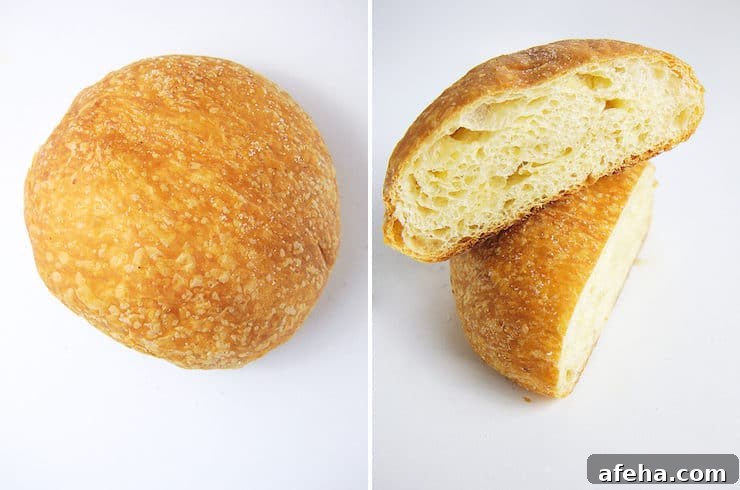
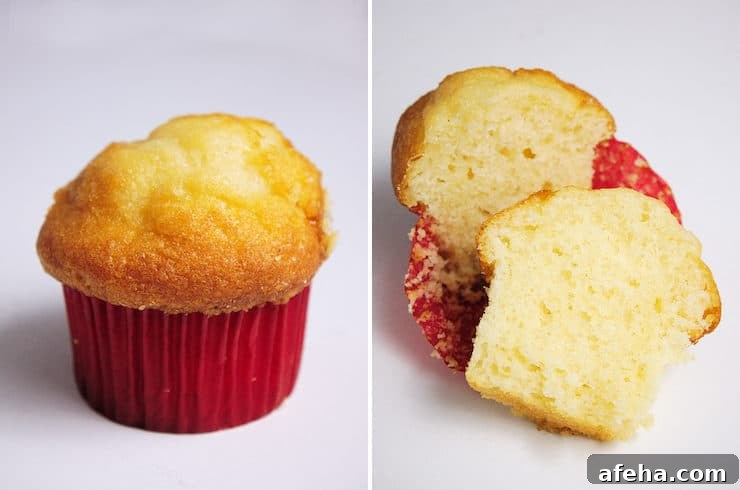
Mantecada or Magdalena
Mini pound-cake–like muffins, typically vanilla flavored and wrapped in red paper. A modern favorite is the mante concha, combining a mantecada with concha topping.
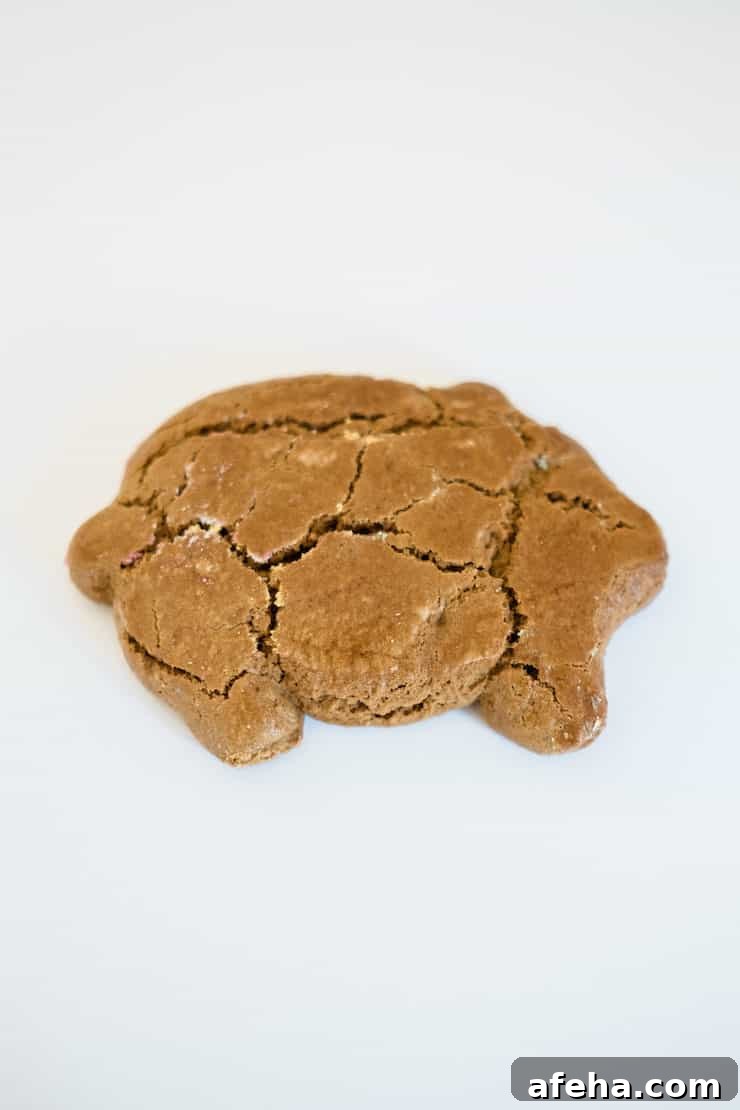
Marranitos, Puerquito, Cochinitos
Pig-shaped brown cookies flavored with piloncillo, with a cake-like texture—classic and perfect with coffee or hot chocolate.
Merengues
Light, airy meringues in various shapes, colors, and sizes.
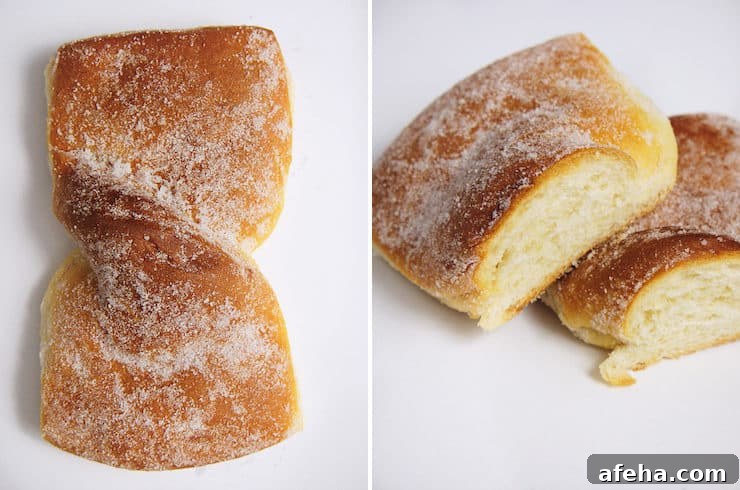
Moño or Corbatas
Brioche-like rectangles twisted into bow shapes, coated in granulated sugar; also called corbatas (bowties).
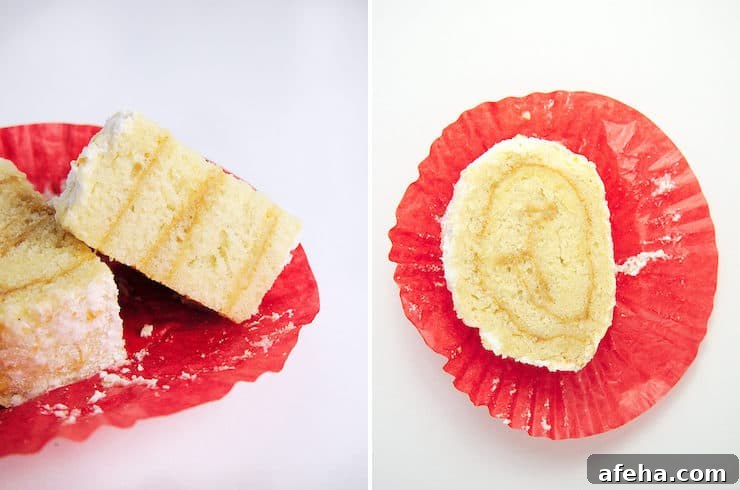
Niño Envuelto
A Swiss-roll–style cake filled with fruit jelly and often coated with sweetened shredded coconut or a whipped-cream frosting.
Novia
A large, swirled brioche-like roll thought to be inspired by Swedish buns; the name evokes a bride’s train and it is dusted with granulated sugar.
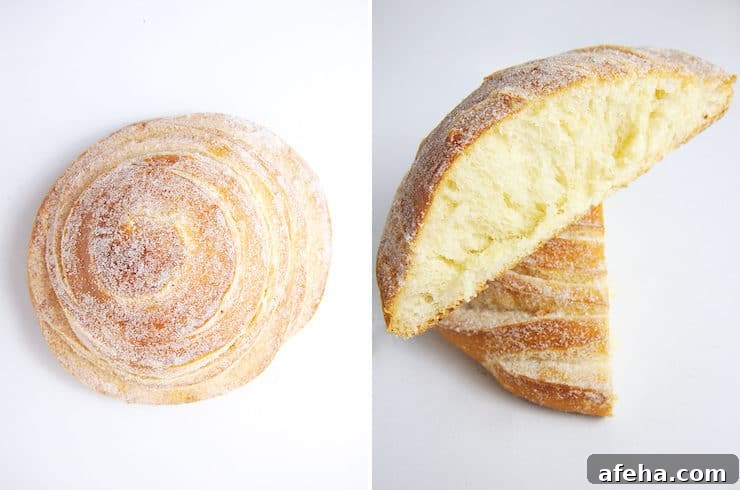
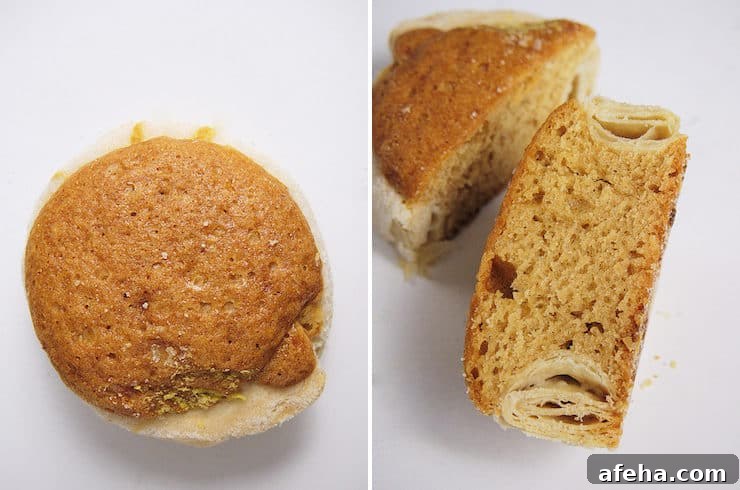
Ojo de Buey
Meaning “bull’s eye,” this pastry combines a sugar-coated puff pastry shell with a soft, cake-like center. In some regions the name applies to red-colored cookie versions that resemble besos.
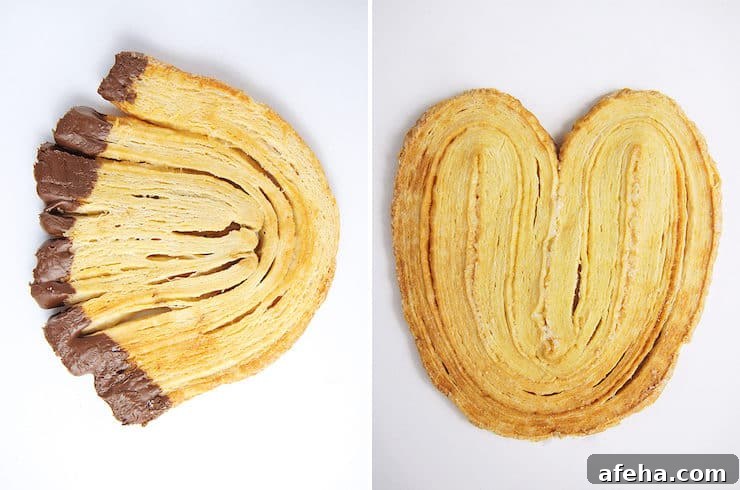
Oreja, Abanico, Manoplas, or Palmeras
Flaky, sugar-brushed pastries equivalent to French palmiers; sometimes dipped in chocolate at the ends.
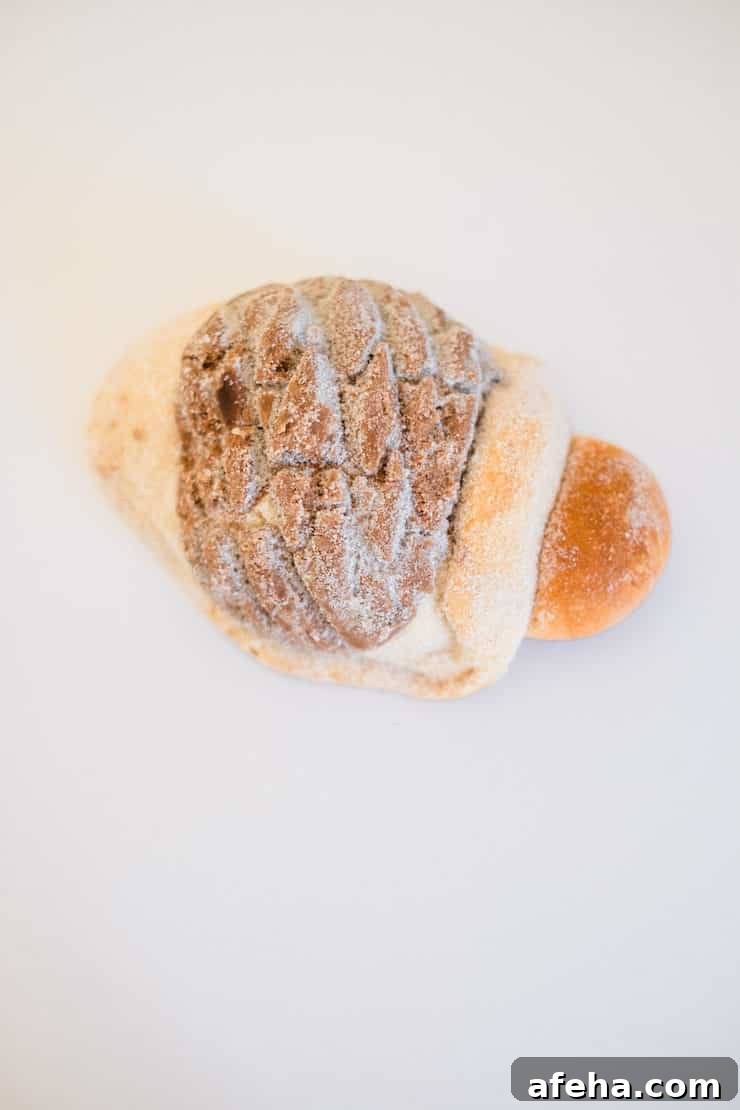
Pan Fino
A broad category encompassing brioche-like breads with concha-style sugar coatings as well as shortcrust, crumbly versions. Flavors include vanilla, cinnamon, and chocolate. Examples include tortugas, cuernos finos, nueces, chamucos, bigotes finos, and more.
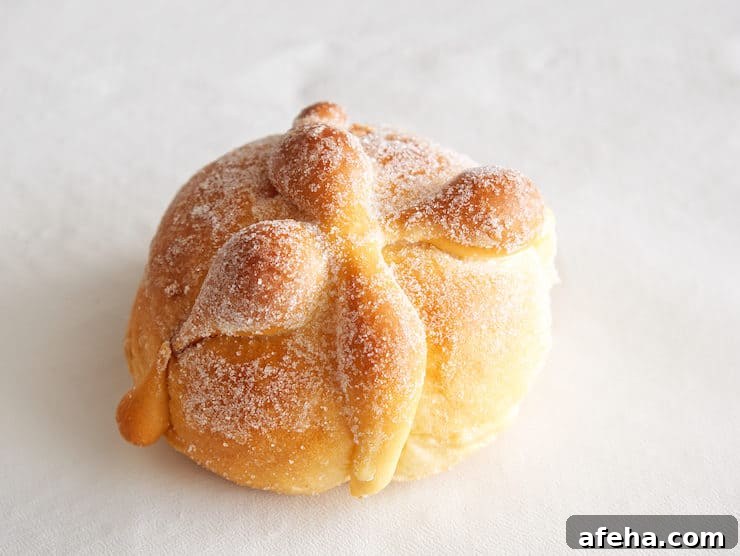
Pan de Muerto
A seasonal brioche-like bread made for Día de los Muertos, flavored with anise and orange blossom water and dusted with sugar.
Panquecitos or Panqué
Small pound-cake–style cakes, served as muffins or other cake shapes.
Peinetas
Flaky pastries filled with jam and shaped like small hair combs—hence the name peineta.
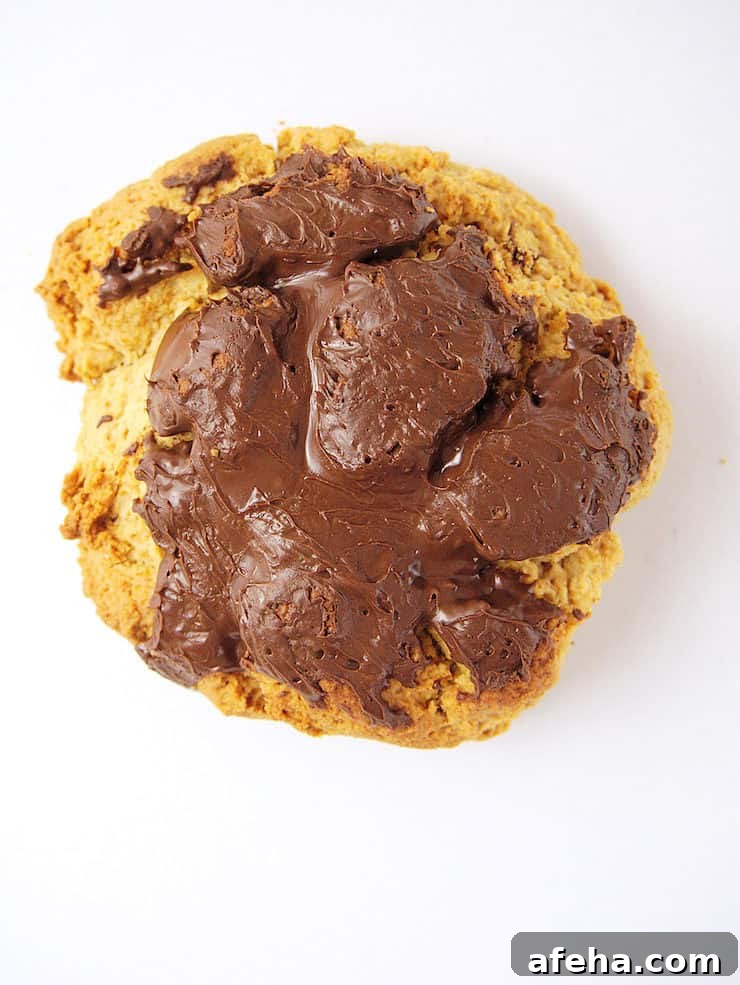
Piedra or Ladrillo
Dry, brick-like breads traditionally made from leftover dry bread combined with sugar or piloncillo, vanilla, shortening, cinnamon, and milk, then shaped and baked. Often finished with glaze or chocolate.
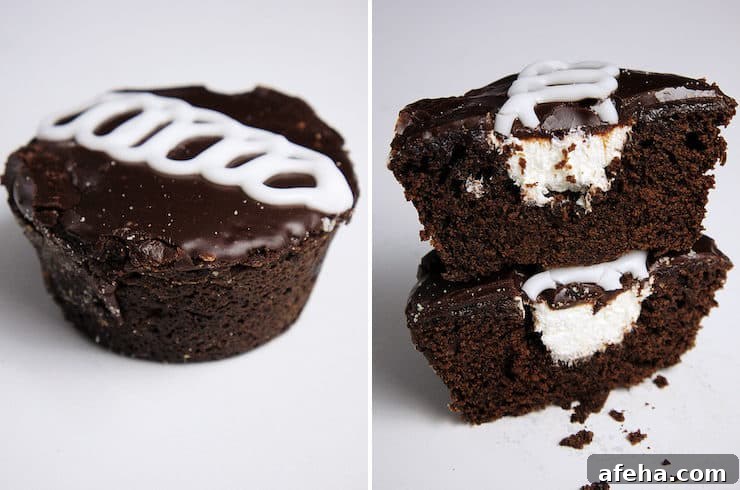
Pinguinos or Pingüis
The Mexican equivalent of Hostess Cupcakes: small cream-filled cakes topped in chocolate with a white frosting swirl.
Polvorón
A crumbly shortbread-like cookie, drier than European shortbreads. Varieties include single-color rounds, tricolors, two-tone joined cookies, and nut or peanut versions.
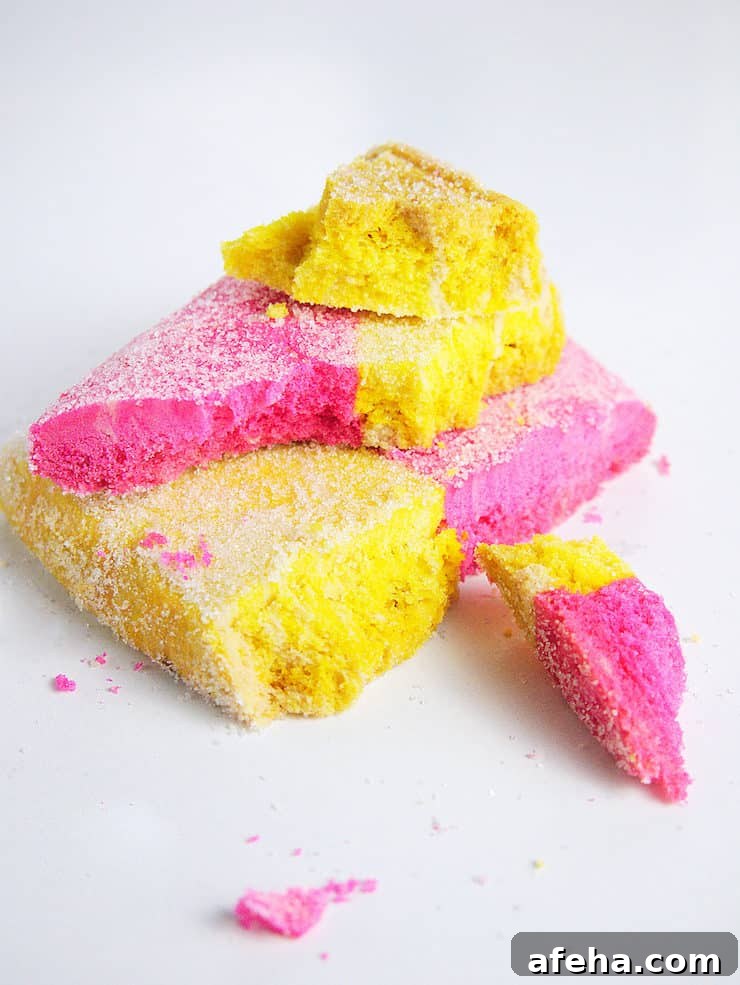
Rebanada de Mantequilla (or Rebanada) or Lengua
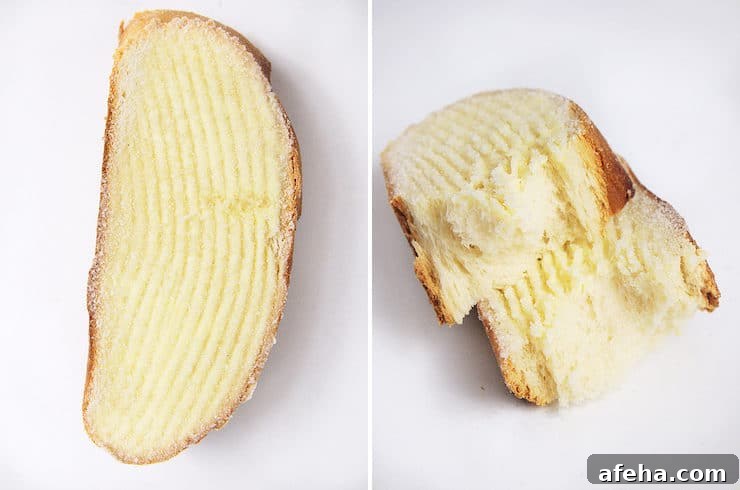
A long slice of bread coated generously with butter and granulated sugar—simple and delicious. In some regions it’s called mantecado.
Rehilete
Star-shaped Danish-like pastries with a fruit jam or pastry cream center—light and crumbly.
Rieles de Fruta
Rectangular flaky pastries filled with pineapple or strawberry jam.
Rol de Canela
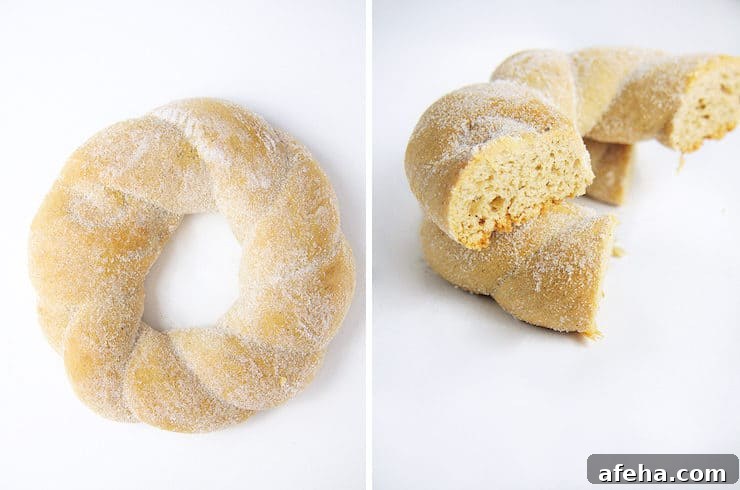
A wreath-shaped cinnamon cookie coated with sugar, drier in texture and perfect with a warm drink.
Rosca Apastelada
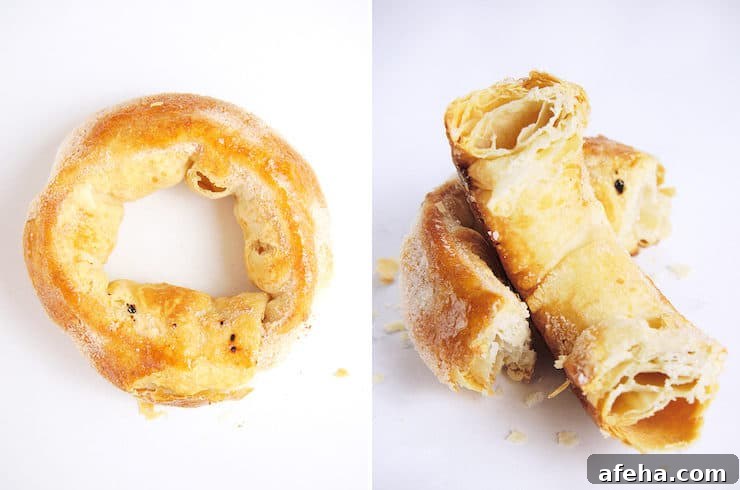
A round pastry made from puff pastry and coated with sugar that caramelizes into a shiny glaze when baked.
Rosca de Reyes
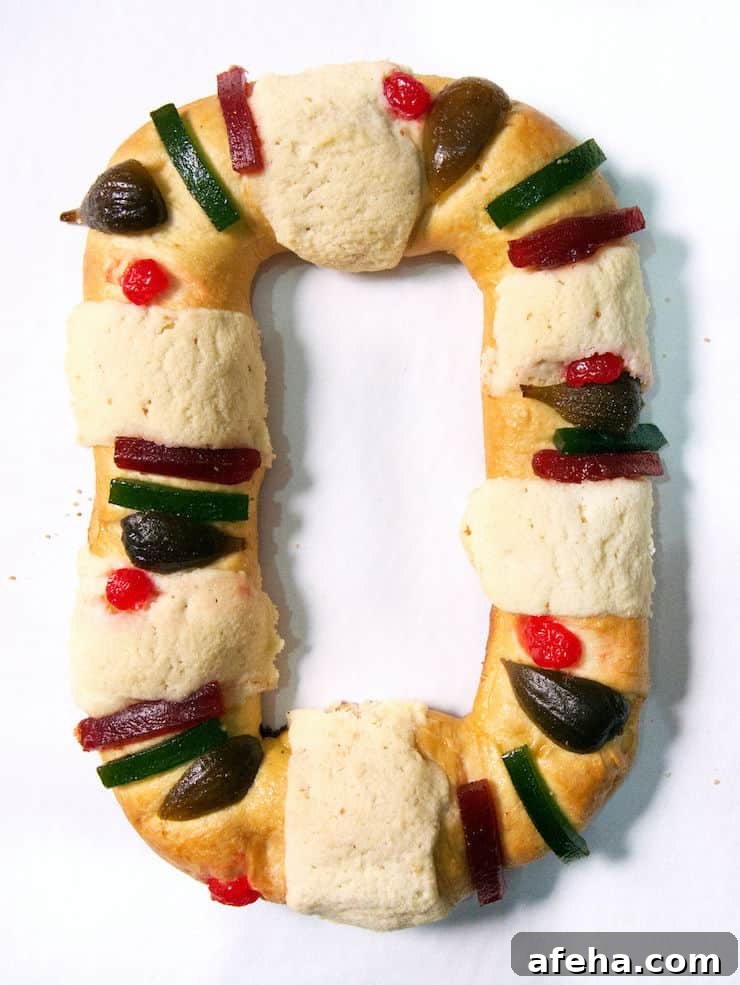
A brioche-style ring traditionally eaten on Three Kings Day, topped with candied fruits and hiding small baby figurines—whoever finds one must host the Candlemas meal.
Tacos de Piña
Rolled puff pastry filled with pineapple jam—flaky, buttery, and sweet.
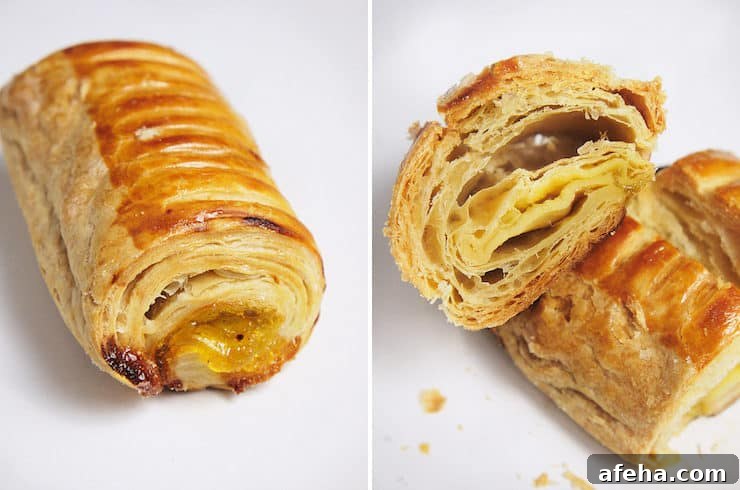
Torcidos de Feite
Braided puff pastry sticks with a melted sugar glaze.
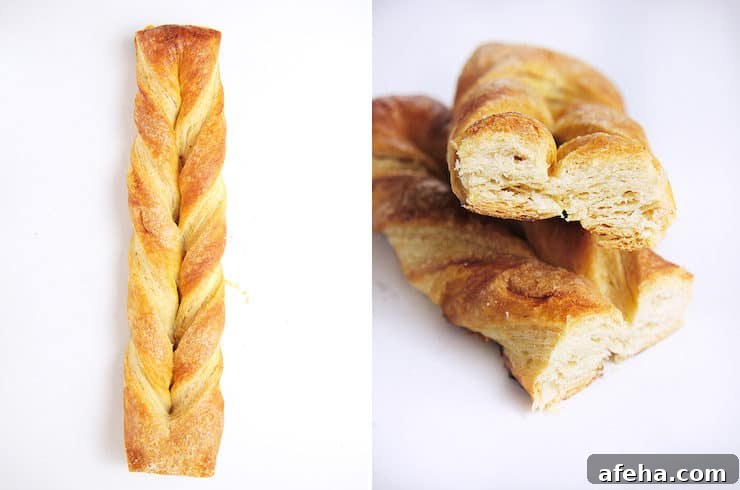
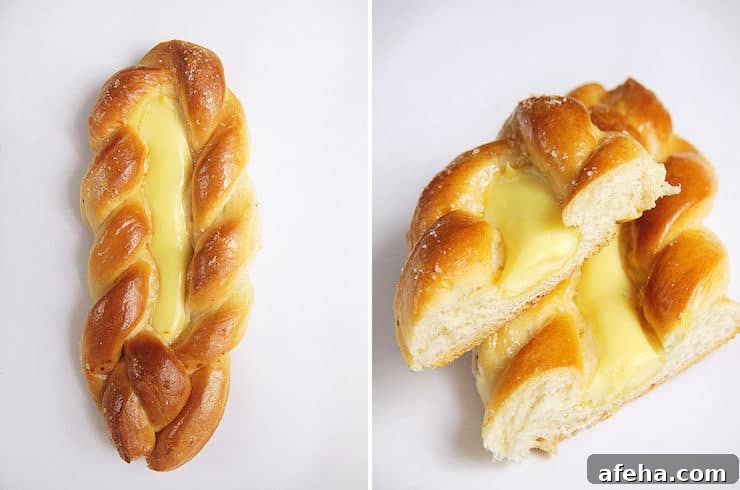
Trenza Danes
Braid-shaped Danish pastries often filled with pastry cream or fruit jam.