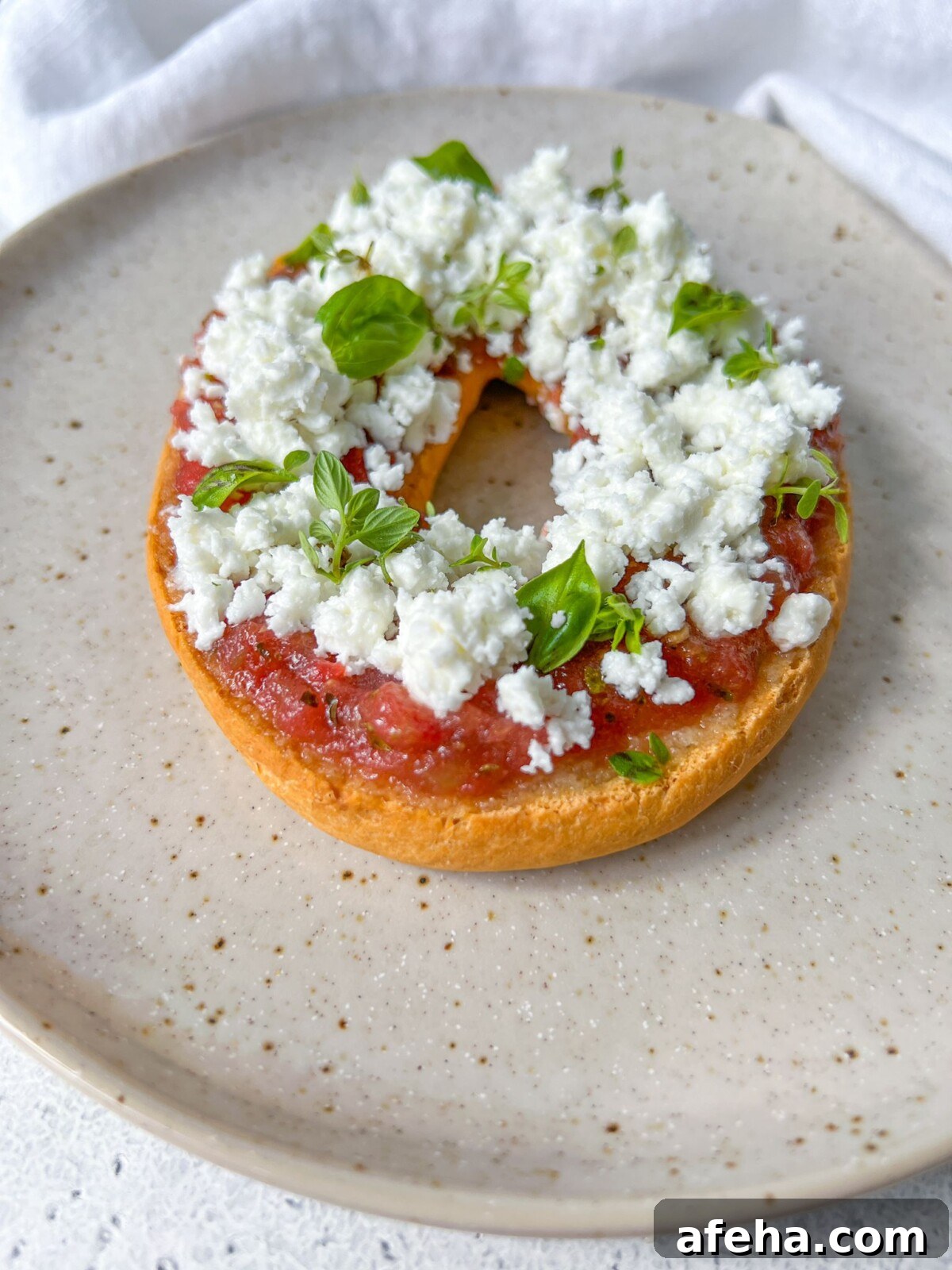
If you enjoy Italian bruschetta, you’ll love this Greek take on the classic. Bright, simple, and full of Mediterranean flavor, this makes a perfect appetizer or a light lunch. My mother made this for me growing up, and after years living on Crete, the recipe reflects the island’s straightforward, fresh approach to food.
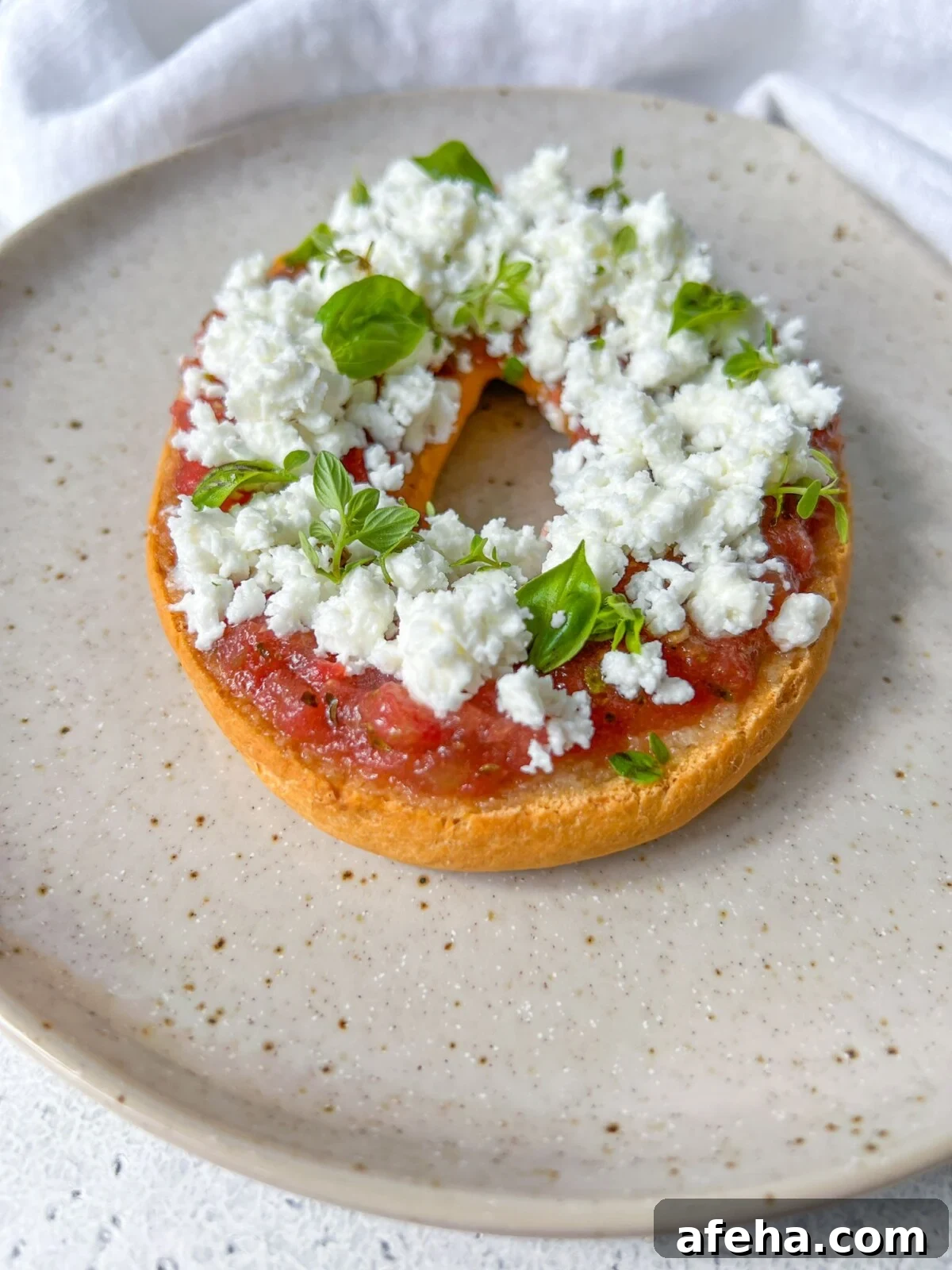
What are Rusks?
Rusks are twice-baked bread that becomes dry and extra crispy—similar to melba toast. In Greece they’re called paximadi; in Italy, friselle or freselle; in Turkey, peksimet; and in some places they’re simply labeled rusks or melba toast. For this recipe, use plain double-baked bread (not sweet cake rusks). Many grocery stores carry suitable options, or you can substitute another crunchy, twice-baked or toasted bread.
Why You’ll Love Greek Bruschetta
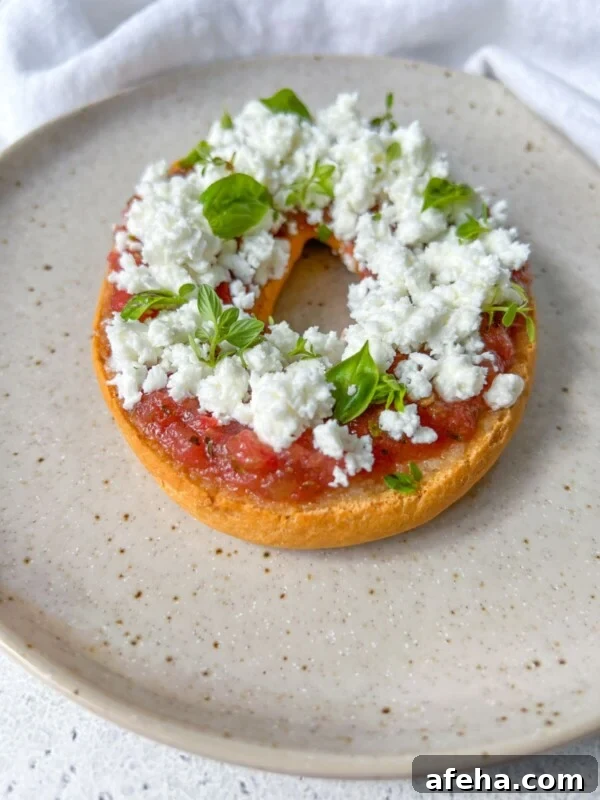
This Cretan meze starts with a slice of soaked dried bread or a rusk topped with freshly grated tomatoes, a drizzle of olive oil, a pinch of oregano and salt, and a crumble of feta or mizithra. Add olives or a few capers for a briny lift. It’s vibrant, textural, and ready in minutes.
How to Prepare Greek Bruschetta
Wash and dry the tomatoes. Trim a small bit off the end, then grate the tomatoes over a bowl and discard the skins.
Season the grated tomato with salt, dried oregano, and a good drizzle of olive oil. Mix gently to combine.
Spoon the tomato mixture onto rusks or any double-baked bread alternative, then crumble feta or mizithra on top. Let the mixture sit a few minutes so the bread softens slightly, then serve.
Nonna’s Tip
If you don’t have rusks, toast slices of baguette or country-style bread on a grill pan or under the broiler until crisp, then assemble the bruschetta as usual.
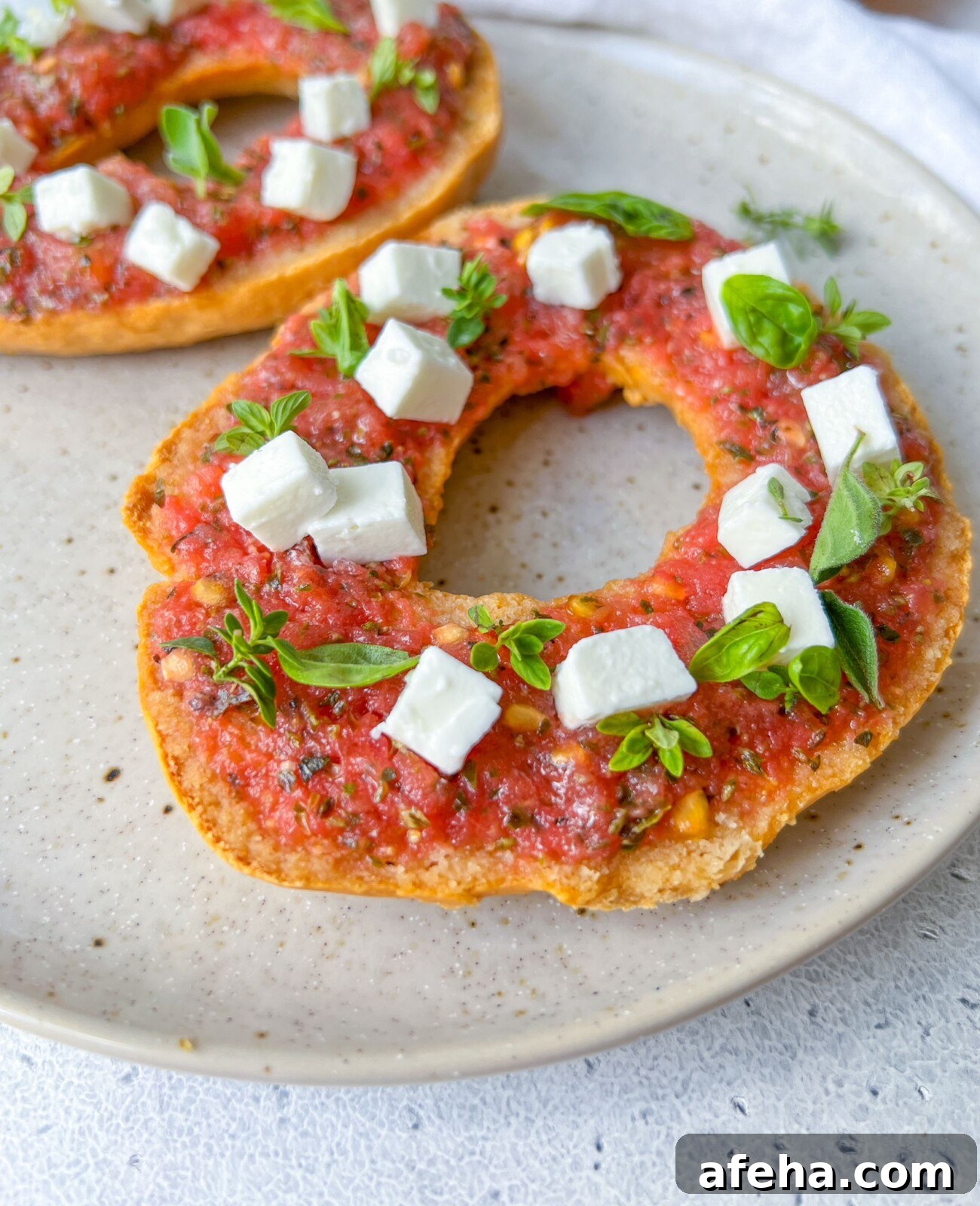
Variations and Substitutions
Customize this recipe to suit your tastes and dietary needs by trying any of the suggestions below:
- Add extra toppings like sliced Kalamata olives, diced cucumber, finely chopped red onion, or capers for more texture and flavor.
- Use fresh herbs—basil, parsley, or thyme—in place of or alongside dried oregano for a brighter finish.
- Swap rusks for toasted baguette slices, pita chips, or any crisp, crusty bread if that’s what you have on hand.
- If you prefer a different cheese, replace feta with goat cheese, fresh mozzarella, or grated Parmesan.
- For a dairy-free or vegan option, omit the cheese or use a plant-based feta alternative.
Similar Recipes
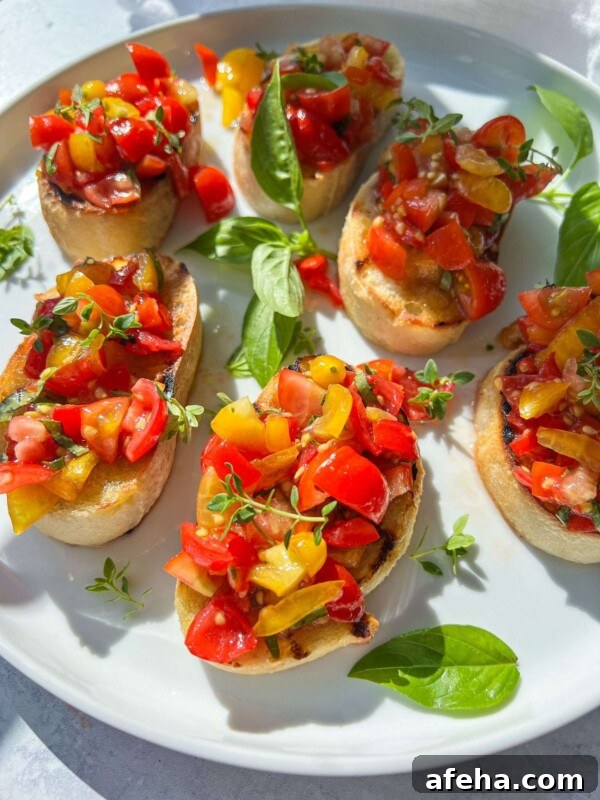
Italian Bruschetta
15 mins
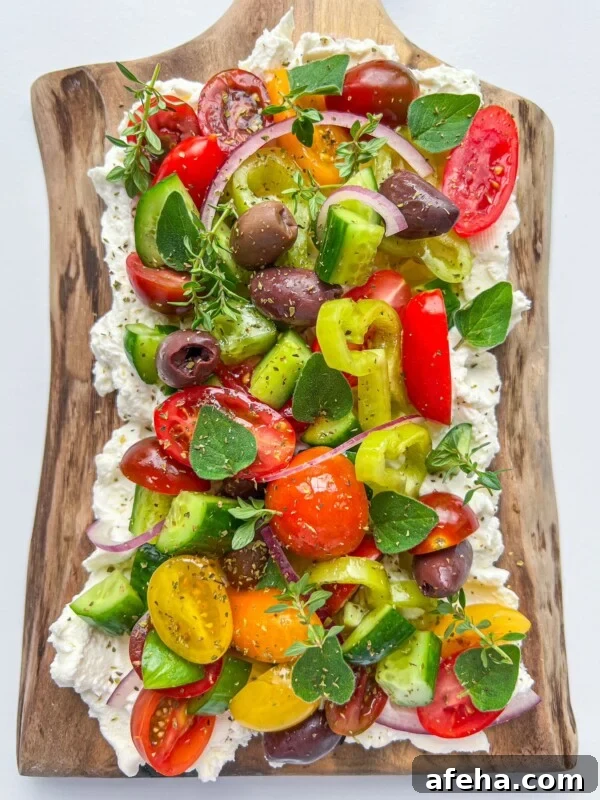
Greek Salad Feta Board
10 mins
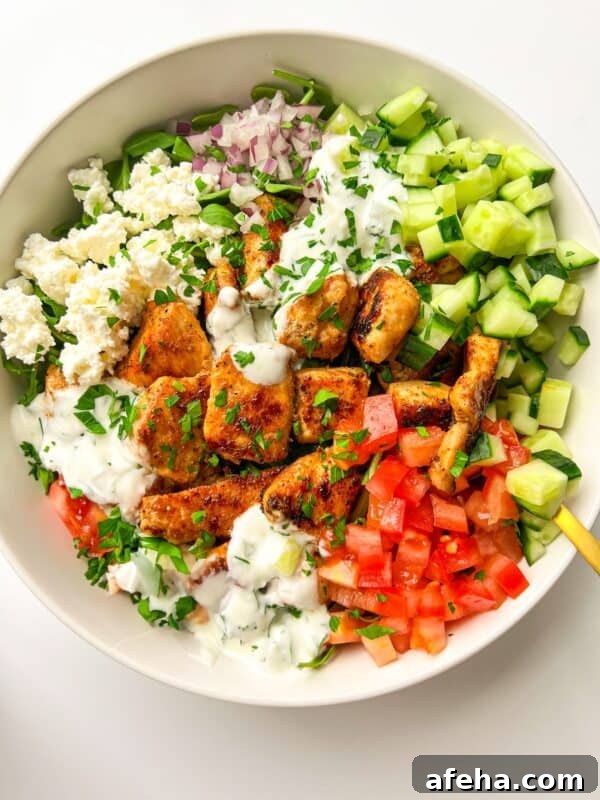
Easy Greek Bowl
15 mins
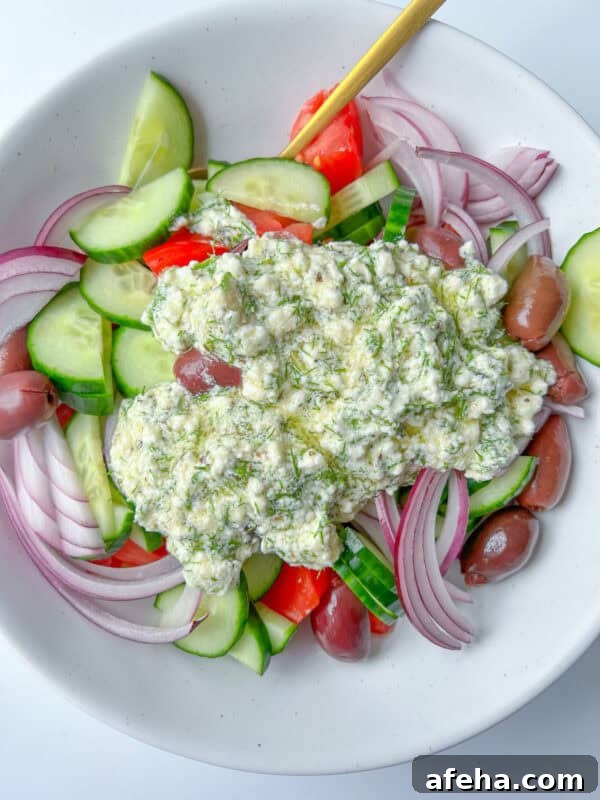
Greek Feta Salad
8 mins
Best Served With
- Grilled meats such as chicken souvlaki, lamb kebabs, or grilled fish
- A tapas-style spread with other appetizers like Spanish tortilla, marinated olives, and cheese platters
- A classic Greek salad with cucumbers, olives, red onions, and a tangy vinaigrette
Common Questions
Use a natural sea or mineral salt and season to taste; different salts vary in intensity, so start with a small pinch and adjust as needed.
Toasted baguette slices, pita chips, or any crusty bread make great alternatives if you don’t have rusks.
Assemble just before serving to keep the bread from becoming soggy. You can grate and season the tomatoes a few hours ahead and refrigerate them until ready to serve.
Allow the tomato mixture to sit on the rusks for a few minutes so they absorb moisture and soften naturally. Some people also brush the rusks lightly with water or olive oil first.
Greek Bruschetta
Video
Equipment
- Box grater or handheld grater
- Mixing bowl
- Knife
- Spoon for mixing
Ingredients
- 2 rusks or any double-baked bread alternative
- 2 tomatoes, grated
- Salt, to taste
- Dry oregano, to taste
- 3 teaspoons olive oil
- Feta or mizithra cheese, crumbled
Instructions
- Wash and dry the tomatoes. Trim a small piece from the end, then grate the tomatoes over a bowl and discard the skins.
- Combine the grated tomatoes with salt, dry oregano, and olive oil. Stir to combine.
- Spoon the tomato mixture onto rusks or toasted bread slices.
- Crumble feta over the top, let the bread soften a little from the tomato juices for a few minutes, and enjoy.
My Notes
Nutrition
Nutrition information is automatically calculated and should be used as an approximation.