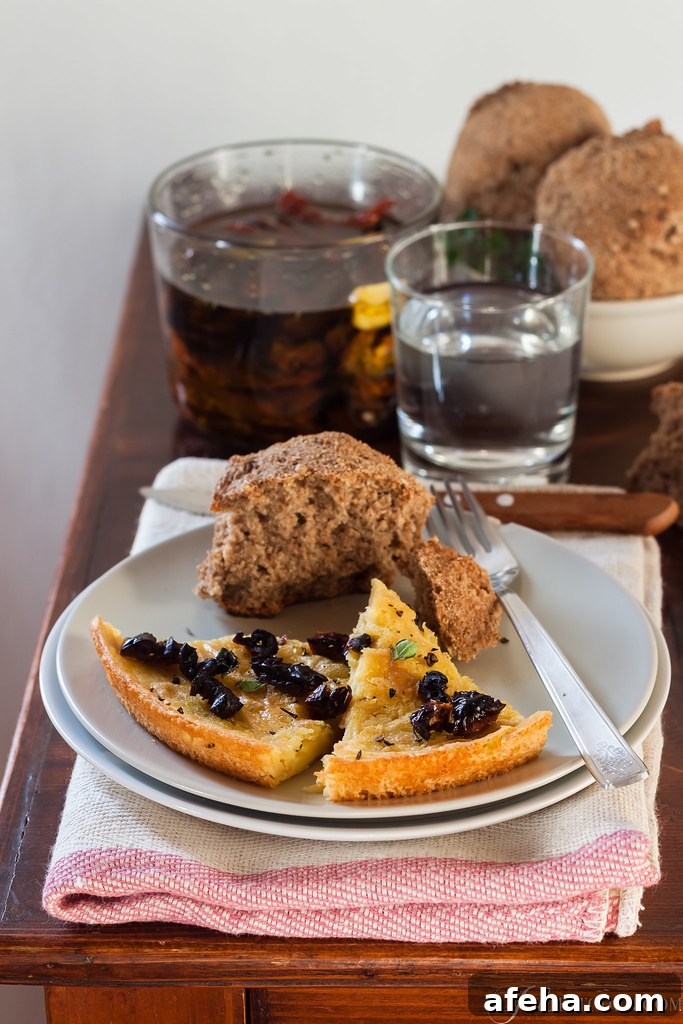
Yesterday felt like the perfect day for a thorough spring clean, even if winter has only just begun. I took down the Christmas decorations with a touch of sadness and returned the small juniper that served as my tree for the last two years to the garden, hoping it will be taller next season. The day was warm and sunny, so I opened the windows to let in fresh air.
Before I resumed work, I wanted to make sure my workspace felt fresh, bright and inspiring. I changed the photos in my bedroom, arranged the smooth white stones I collected on an English beach on the chest of drawers, and placed the colourful magnets I brought from Belgium on the fridge. Finally, I put a pot of hyacinths in the living room and realized I was ready to start the new year.
There was one last area that demanded attention: my pantry. The pantry is a constant source of inspiration for recipes and stories, alongside seasonal vegetables. Patiently, I checked expiration dates and decided to prioritise using the jars and bags tucked away before buying anything new. I know these resolutions tend to dissolve as soon as something new and tempting appears, but this year I want to be wiser and more sustainable.
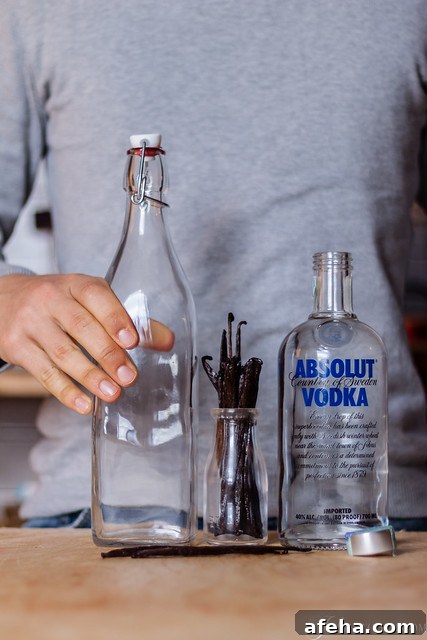
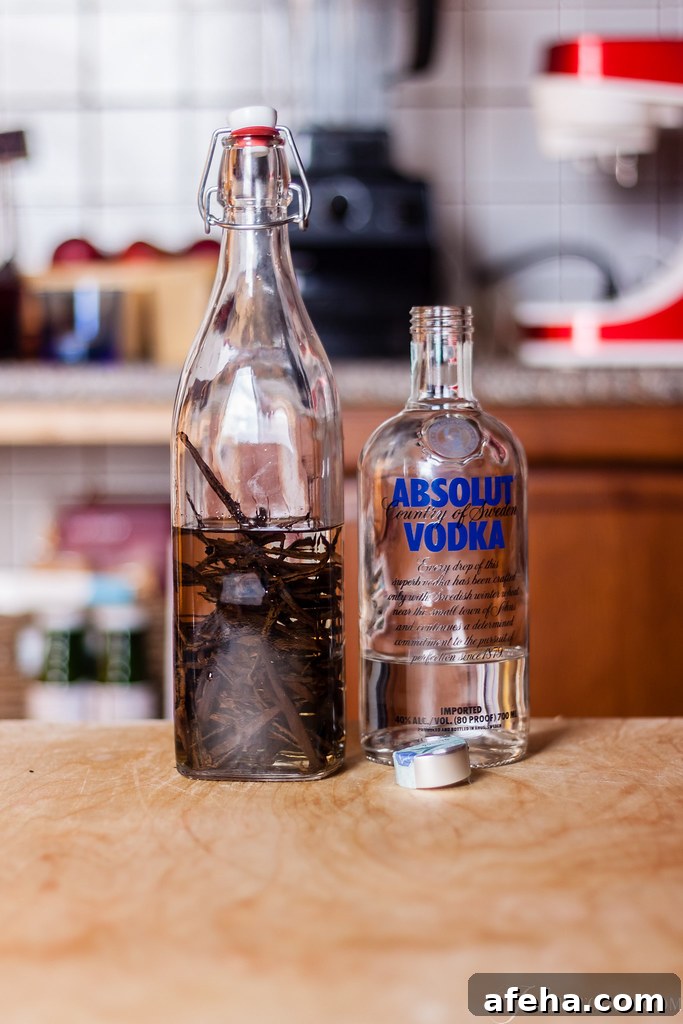
In the new-year energy I also made time to prepare a bottle of homemade vanilla extract and a large jar of sun-dried tomatoes preserved in our extra-virgin olive oil, with dried oregano, chilli flakes and garlic. I’m sure these tomatoes will brighten salads and frittatas in the months ahead.
Making the vanilla extract was easier and quicker than I expected. I followed a simple method: use about 500 ml of vodka for 60 g of vanilla pods, split the pods into 2 cm pieces, immerse them in vodka, shake well, then seal the bottle and store it in a dark pantry for at least six months. Remember to shake the bottle from time to time.
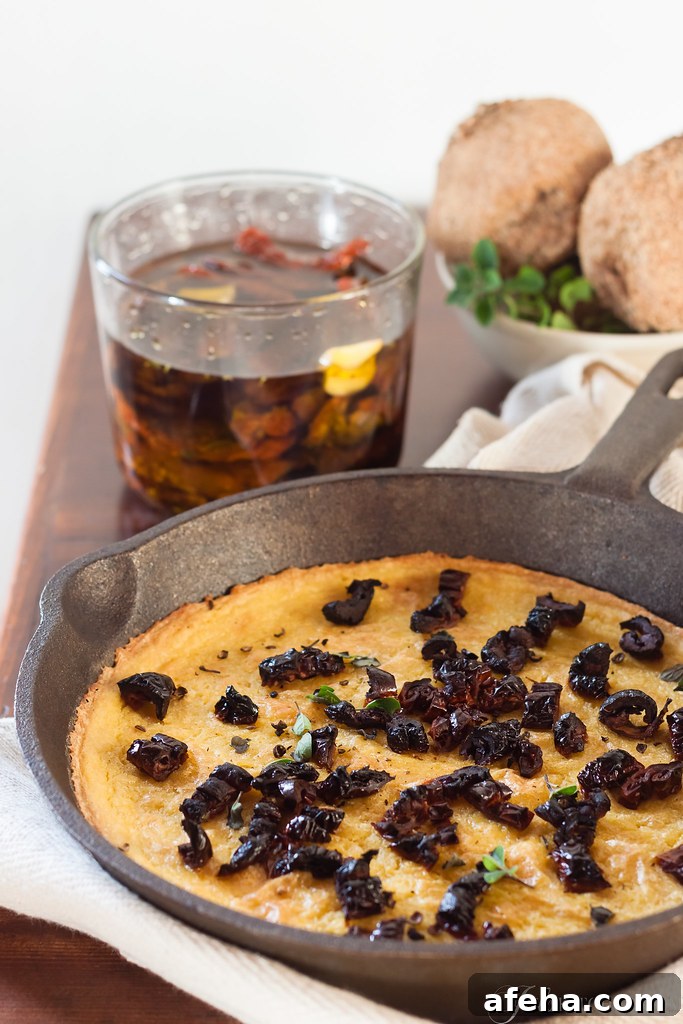
With the house tidy and the pantry organised, I finally indulged in one of my favourite pastimes: cooking and taking notes for you. I began experimenting with the new cast iron skillet I treated myself to as a reward. I was drawn to its rustic look — the rich black patina it develops with use. Properly seasoned by rubbing with olive oil and heating at high temperature, it naturally becomes a non-stick surface and tells its own stories through the patina it gains.
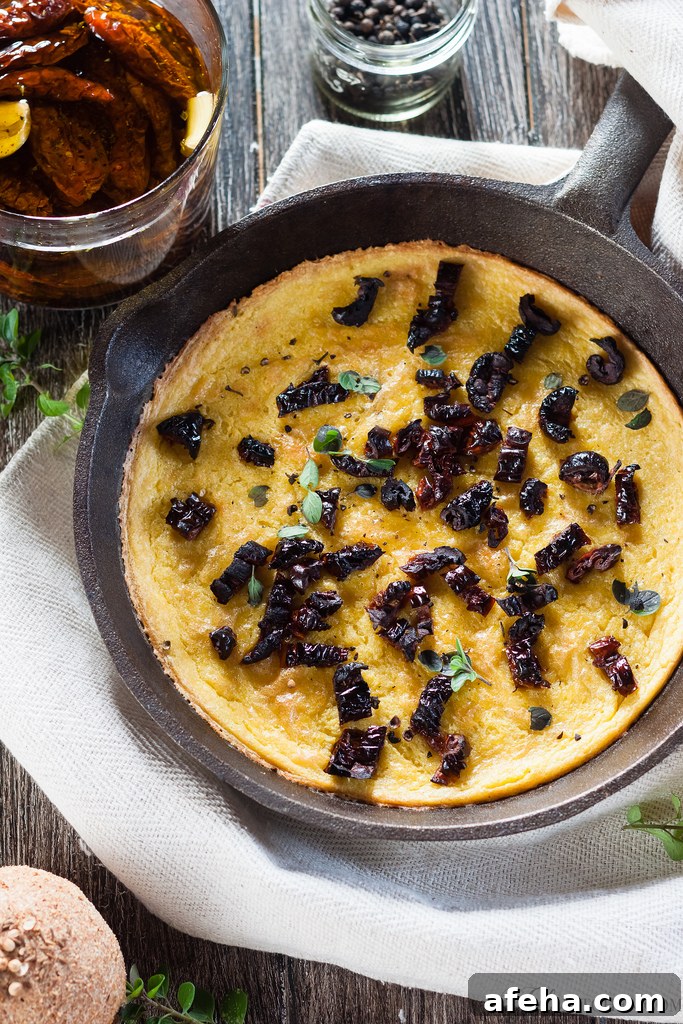
This skillet has proven both beautiful and extremely versatile. I’ve used it on the stove and in the oven, for quick sautéed vegetables and even for baking rye bread. My latest test was cecina, a chickpea cake from Tuscany. In the skillet, with sun-dried tomatoes and fresh herbs, it becomes a hearty, vegan and gluten-free dish — a bright, protein-rich way to start the year, full of Mediterranean flavours yet surprisingly light.
Yesterday’s lunch was the sun-dried tomato chickpea cake, served with a fennel and orange salad and a rye bun. It felt like a stylish way to welcome the new year.
Sun-dried tomato chickpea cake
Giulia
Print Recipe
Pin Recipe
Share by Email
Ingredients
- 100 g of chickpea flour
- 300 ml of water
- 1 teaspoon of sea salt
- 1 tablespoon of extra virgin olive oil
- A dozen of sun-dried tomatoes in olive oil
- Freshly ground black pepper
- Fresh oregano or marjoram
Instructions
-
Pour the water gradually into the chickpea flour, whisking constantly to avoid lumps. Once fully combined, add the olive oil and salt. Let the batter rest for at least 30 minutes.
-
Preheat the oven to 250°C with a non-stick pan or a 24 cm cast iron skillet inside. When the pan is very hot, remove it carefully, drizzle with olive oil and pour in the batter.
-
Bake for about 5 minutes, then scatter the sun-dried tomatoes (cut into thin strips) over the top and bake for another 10–12 minutes, until the surface is crisp and golden while the inside remains soft.
-
Serve hot with plenty of freshly ground black pepper and a sprinkling of fresh oregano or marjoram.