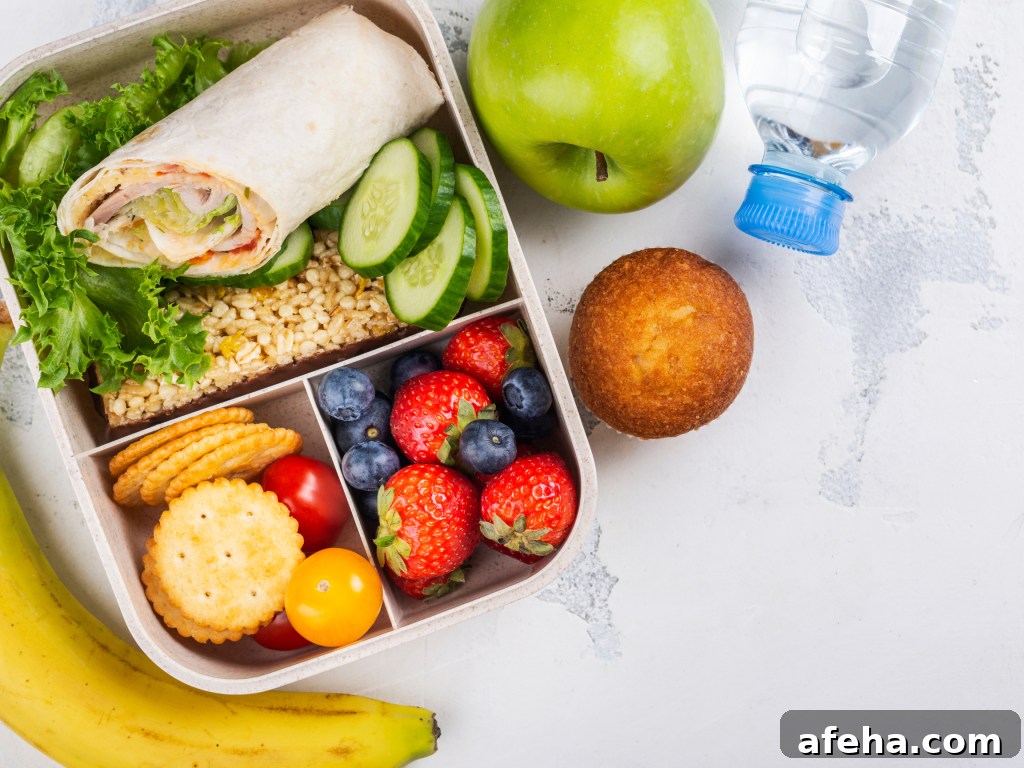
As autumn fades and winter arrives, so does the familiar sick season. While colds and flu can begin appearing as early as late summer, cases typically peak in December and can continue into spring. Last year the CDC reported tens of millions of influenza cases, and many school-age children miss one or more days of school each year because of illness. Although sick days cannot be eliminated entirely, focusing on immune-supportive school nutrition can help reduce illness incidence and severity during the season.

Nutrition and the Immune System
The immune system is the body’s first line of defense against infection. Comprised of organs, cells, and tissues—such as the spleen, white blood cells, and lymph nodes—it works constantly to protect us from pathogens. A resilient immune system is especially important during cold and flu season, and diet plays a central role in maintaining immune health.
Both micronutrients and macronutrients influence immune function. Diets lacking key nutrients increase infection risk, while nutrient-dense dietary patterns can reduce the incidence, severity, and duration of some illnesses. Research consistently links poor nutrition and obesity with higher rates of illness in both children and adults.
Since school meals are often among the most nutritious meals children receive, school nutrition programs have a major impact on child and adolescent health. Immune-supportive school meals can help to:
- Reduce the number of sick days among students
- Support better student engagement and attendance
- Encourage lifelong healthy eating habits
Key Nutrients for Immune-Supportive School Meals
Interest in specific nutrients and immune health has grown, but no single food or supplement prevents illness on its own. Dietary guidelines recommend a varied pattern of nutrient-dense foods to meet needs. Serving a wide range of foods ensures the immune system receives the vitamins, minerals, protein, healthy fats, and other compounds it requires.
That said, some nutrients have a particularly important role in immune function. Incorporating foods rich in these nutrients can strengthen school nutrition efforts during cold and flu season.
Vitamin C
Vitamin C is a well-known antioxidant that supports immune function. Low vitamin C intake is associated with increased susceptibility to infections, and adequate intake may reduce the severity and duration of common colds. Including vitamin C–rich foods in school meals helps maintain immune defenses.
Ideas to add vitamin C to school menus:
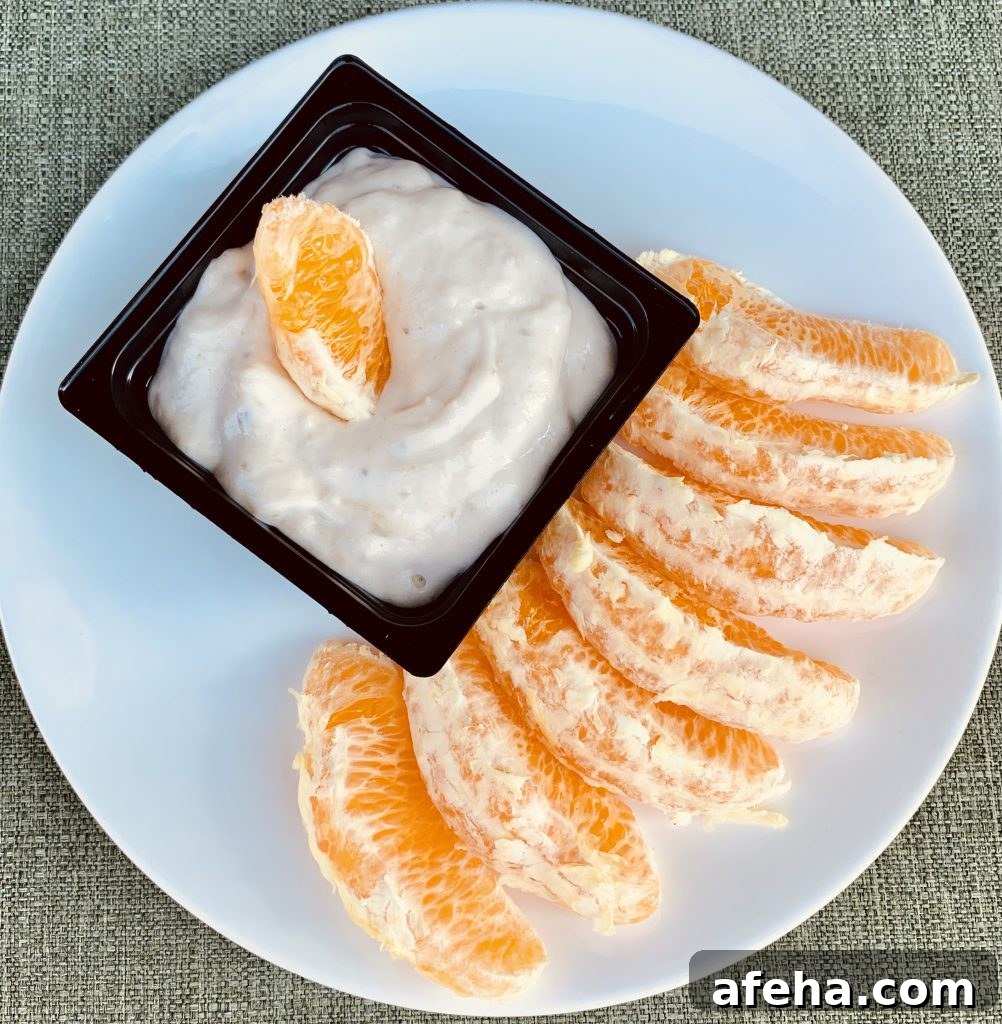
- Offer orange and grapefruit sections or citrus slices as a fruit option
Pair orange sections with a lowfat yogurt and banana dip for an appealing side or snack.
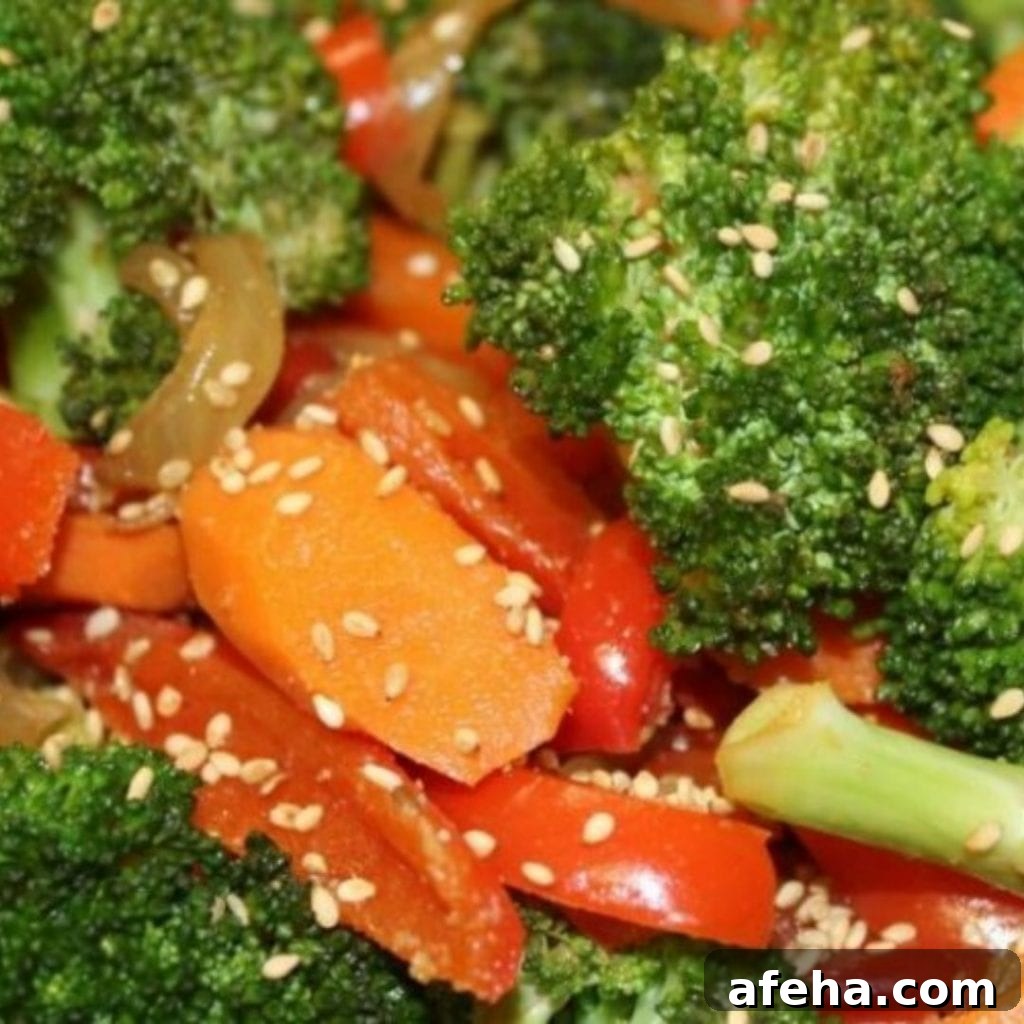
- Add bell peppers and broccoli to entrées and side dishes
Stir-fries that include carrots, broccoli, and bell peppers provide color, crunch, and vitamin C while remaining familiar and kid-friendly.
- Increase fresh fruit offerings. Strawberries are notably high in vitamin C and work well:
- In salads such as spinach-and-strawberry salads
- In parfaits layered with yogurt and whole-grain cereal
- In smoothies blended with citrus or banana
Vitamin D
Vitamin D, often called the “sunshine vitamin,” supports multiple body systems, including immune health. Although it may not directly prevent colds, adequate vitamin D status is linked to better respiratory health. Because students get less sun exposure in winter and few foods naturally contain vitamin D, offering common dietary sources is important.
Ways to boost vitamin D in school meals:
- Serve fatty fish such as salmon, trout, tuna, or mackerel
Baked salmon patties seasoned and mixed with vegetables can be a student-friendly way to introduce fish.

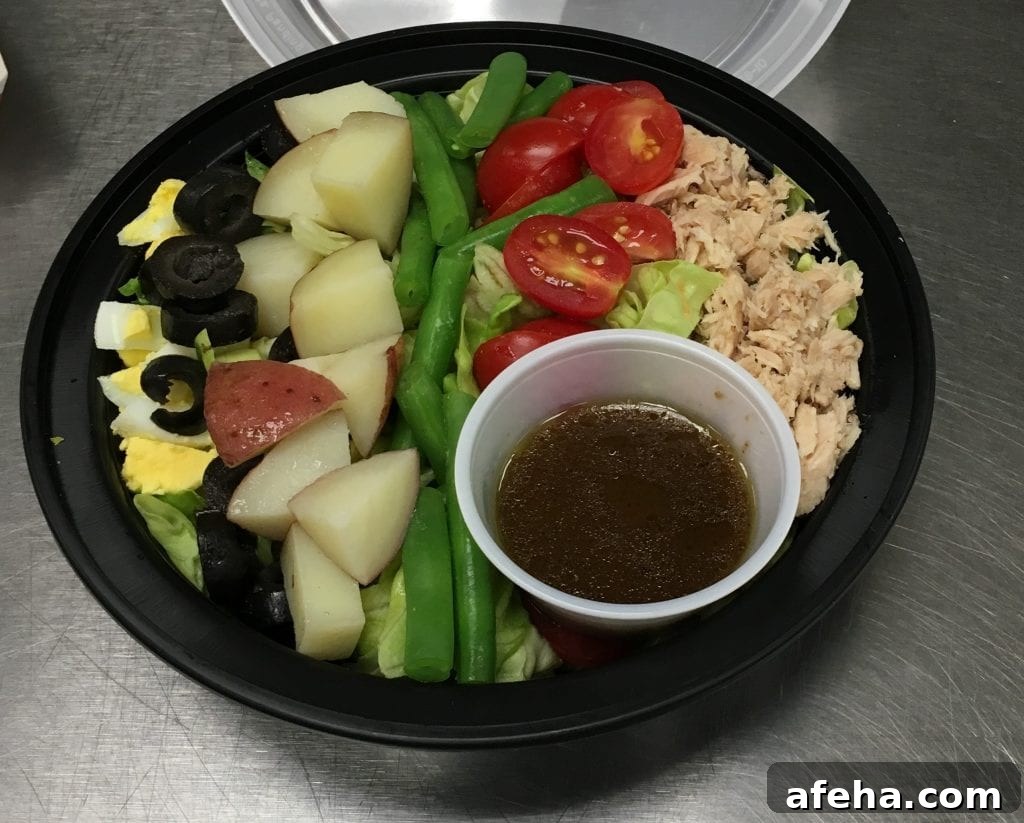
Canned tuna can be used in salads with vegetables and boiled eggs to add flavor and vitamin D.
- Mushrooms can provide vitamin D depending on how they are grown and processed. Use white button or portobello mushrooms in dishes like sandwiches or fajita fillings.
Zinc
Zinc supports growth, development, and immune function from infancy through adolescence. Some evidence suggests zinc may reduce the severity and duration of the common cold, and low zinc status in children is linked to higher risk of severe respiratory infections. While oysters are the richest source of zinc, more commonly accepted school foods also contribute meaningful amounts.
Zinc-rich options for school menus include:
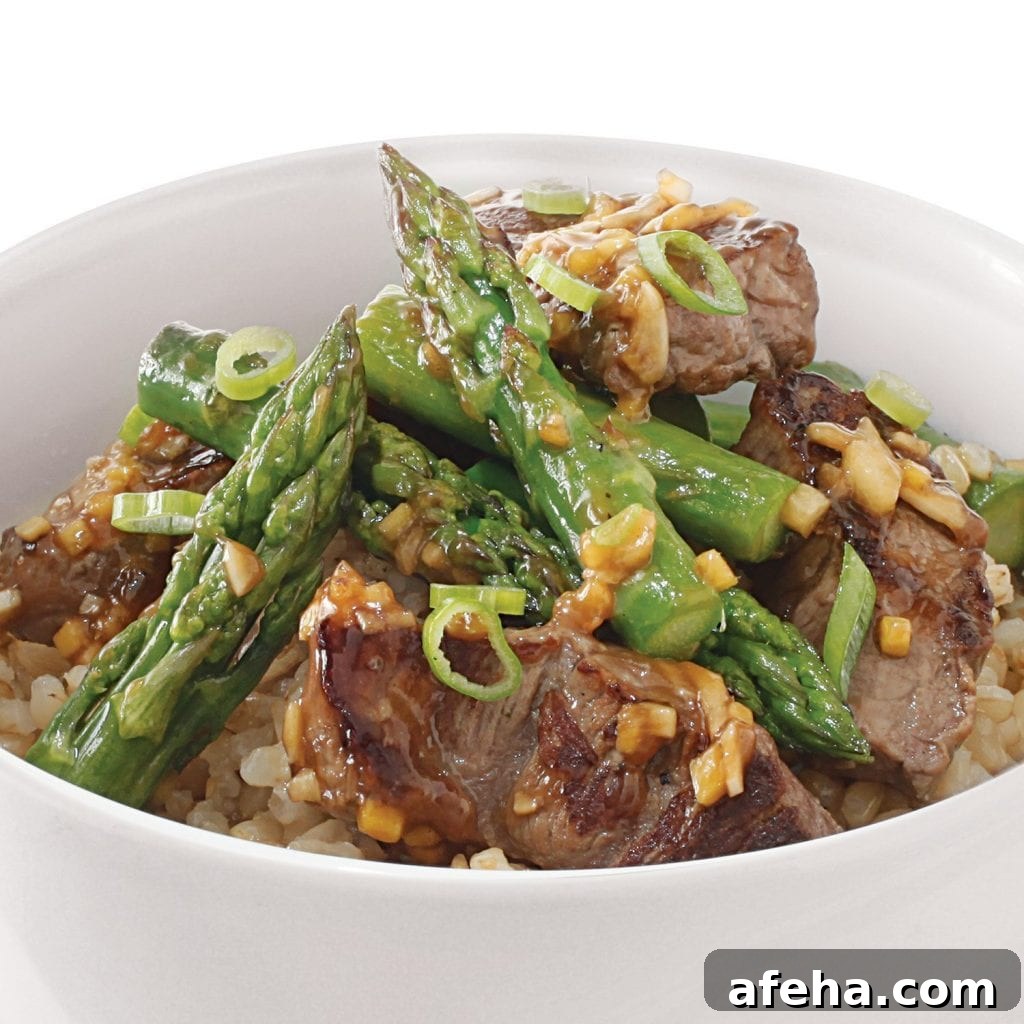
- Beef, especially cuts like bottom sirloin, which can be used in marinated and grilled dishes or rice bowls
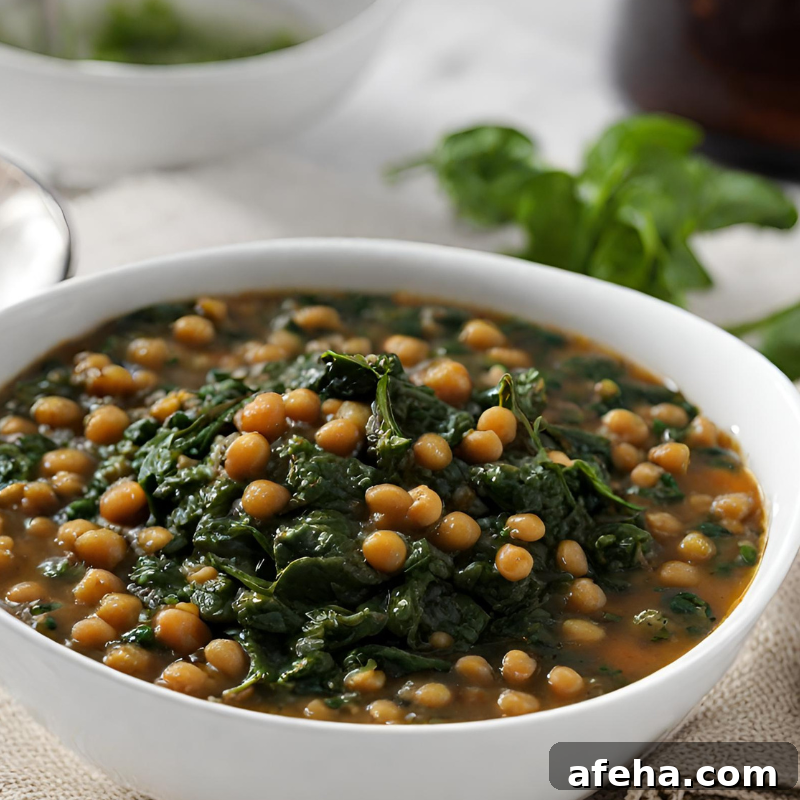
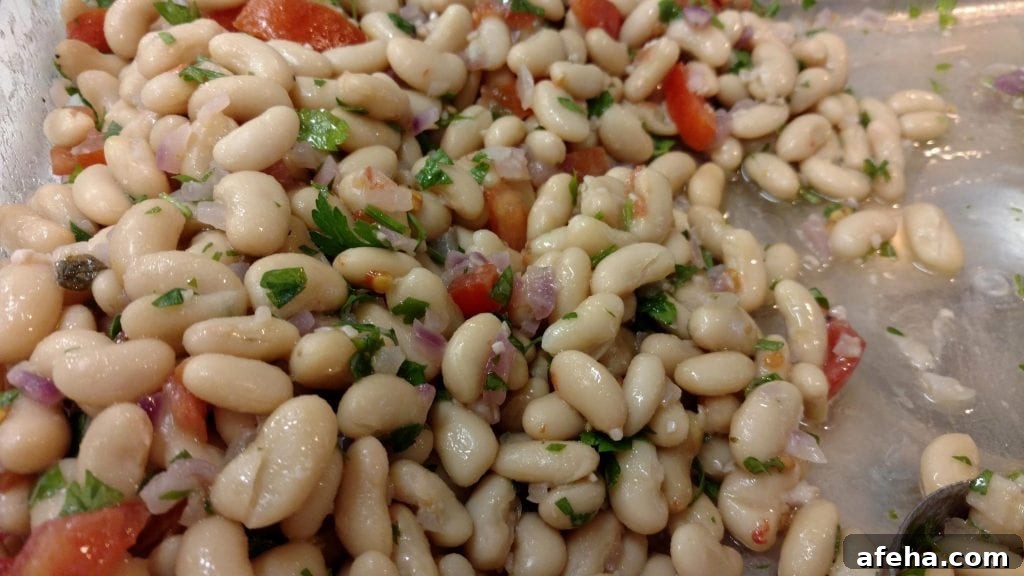
- Legumes such as beans, lentils, and chickpeas, which can be added to soups, salads, casseroles, and breakfast items

Practical Ideas for Immune-Supportive School Meals
- Serve canned and frozen produce
- During winter, canned and frozen fruits and vegetables ensure consistent access to nutrient-rich foods. These products are processed soon after harvest and preserve vitamins and minerals similar to fresh produce. For example, frozen wild blueberries are high in antioxidants and work well in breakfasts, snacks, and desserts.
- Serve seasonal, comforting meals
- Hearty soups and stews are ideal for winter and can easily incorporate immune-supportive ingredients, from vitamin C–rich tomatoes to zinc-rich legumes.
- Season with herbs and spices that support immune health
- Herbs and spices such as basil, ginger, and turmeric contribute flavor and contain compounds that support overall wellness. Use them in salads, soups, and grain dishes to enhance taste and nutrition.
Tips for Nutrition and Healthy Practices
- Offer a wide variety of foods across meal components to increase acceptance and encourage balanced eating
- Serve as many colorful whole foods as possible. Color often indicates phytonutrient diversity, which supports immune health
- Reinforce handwashing for staff and students:
- After coughing, sneezing, or blowing the nose
- After using the restroom
- After outdoor play
- Before eating
- Whenever hands appear dirty
- Encourage staff and students to stay home when ill. Common reasons to remain home include fever, repeated vomiting, severe diarrhea, draining skin sores that cannot be covered, or worsening respiratory symptoms
- Promote adequate hydration throughout the day
Conclusion
A balanced, nutrient-dense dietary pattern supports the immune system and helps students stay healthier through cold and flu season. Key nutrients—such as vitamin C, vitamin D, and zinc—play important roles in immune function and can be delivered through thoughtfully planned school meals. By offering comforting, nutrient-rich foods and reinforcing good hygiene and attendance practices, schools can reduce the impact of seasonal illnesses and support student well-being.
References
[1] CDC. “2023-2024 Influenza Season Summary: Influenza Severity Assessment, Burden and Burden Prevented.” Influenza (Flu), 21 Nov. 2024.
[2] NSCH 2022: Number of School Days Missed due to Illness or Injury during the Past 12 Months, Nationwide. Childhealthdata.org, 2022.
[3] Munteanu, C., and B. Schwartz. “The relationship between nutrition and the immune system.” Frontiers in Nutrition, 2022.
[4] Dobner, J., and S. Kaser. “Body mass index and the risk of infection – from underweight to obesity.” Clinical Microbiology and Infection, 2018.
[5] Carr, A. C., and S. Maggini. “Vitamin C and Immune Function.” Nutrients, 2017.
[6] Bucher, A., and N. White. “Vitamin C in the Prevention and Treatment of the Common Cold.” American Journal of Lifestyle Medicine, 2016.
[7] Li, B. et al. “Association between Serum 25-Hydroxyvitamin D Concentrations and Respiratory Infection among United States Adults.” The Journal of Nutrition, 2023.
[8] National Institutes of Health. “Zinc.” NIH, 2022.
[9] Saleh, N. Y., and W. M. M. Abo El Fotoh. “Low serum zinc level: The relationship with severe pneumonia and survival in critically ill children.” International Journal of Clinical Practice, 2018.
[10] Berner, L. A. et al. “Fortified foods are major contributors to nutrient intakes in diets of US children and adolescents.” Journal of the Academy of Nutrition and Dietetics, 2014.
[11] Isbill, J. et al. “Opportunities for Health Promotion: Highlighting Herbs and Spices to Improve Immune Support and Well-being.” Integrative Medicine, 2020.