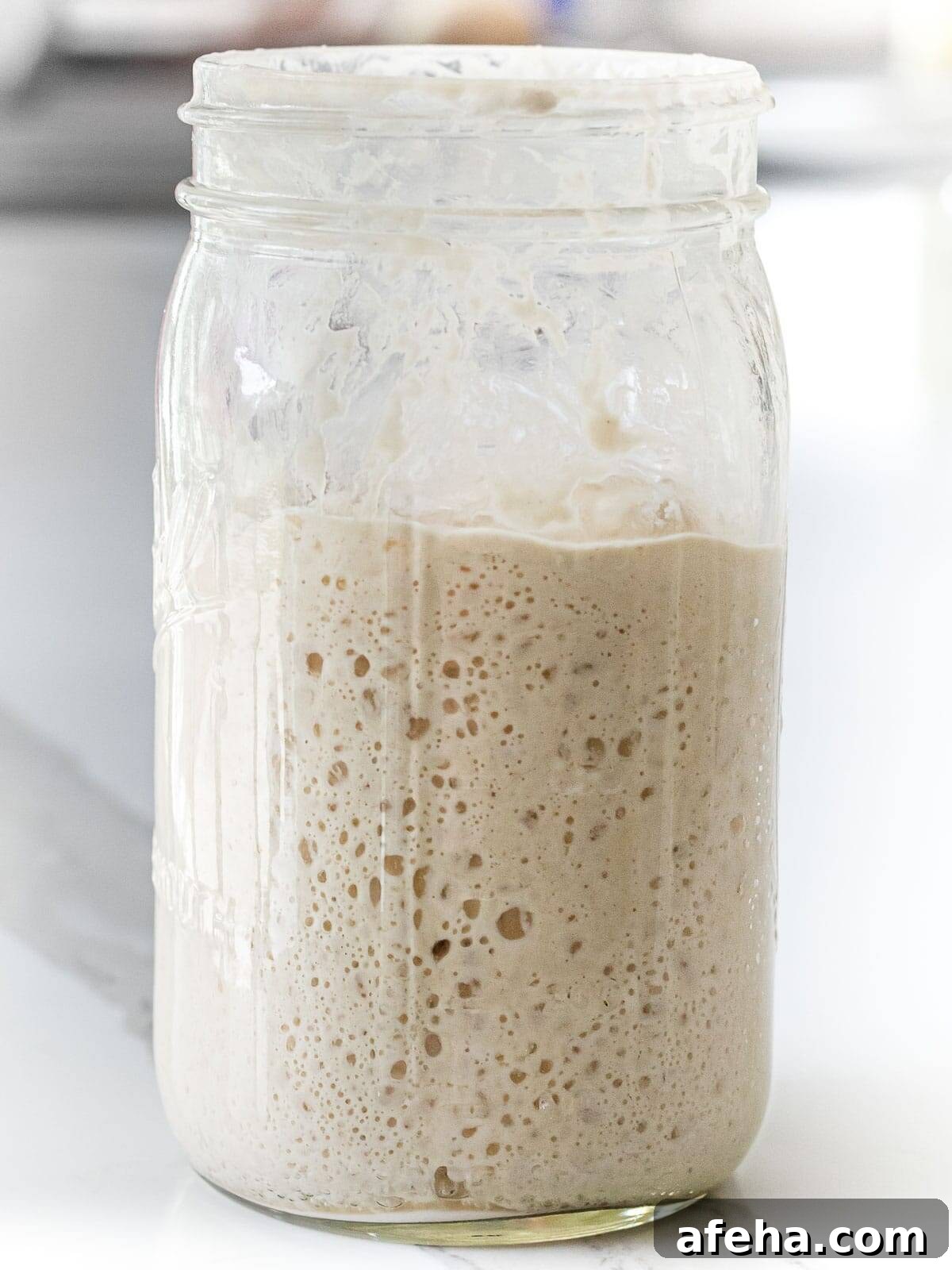
Learn two reliable ways to make a sourdough starter: the traditional feed-and-discard method and a no-discard approach using yeast water.
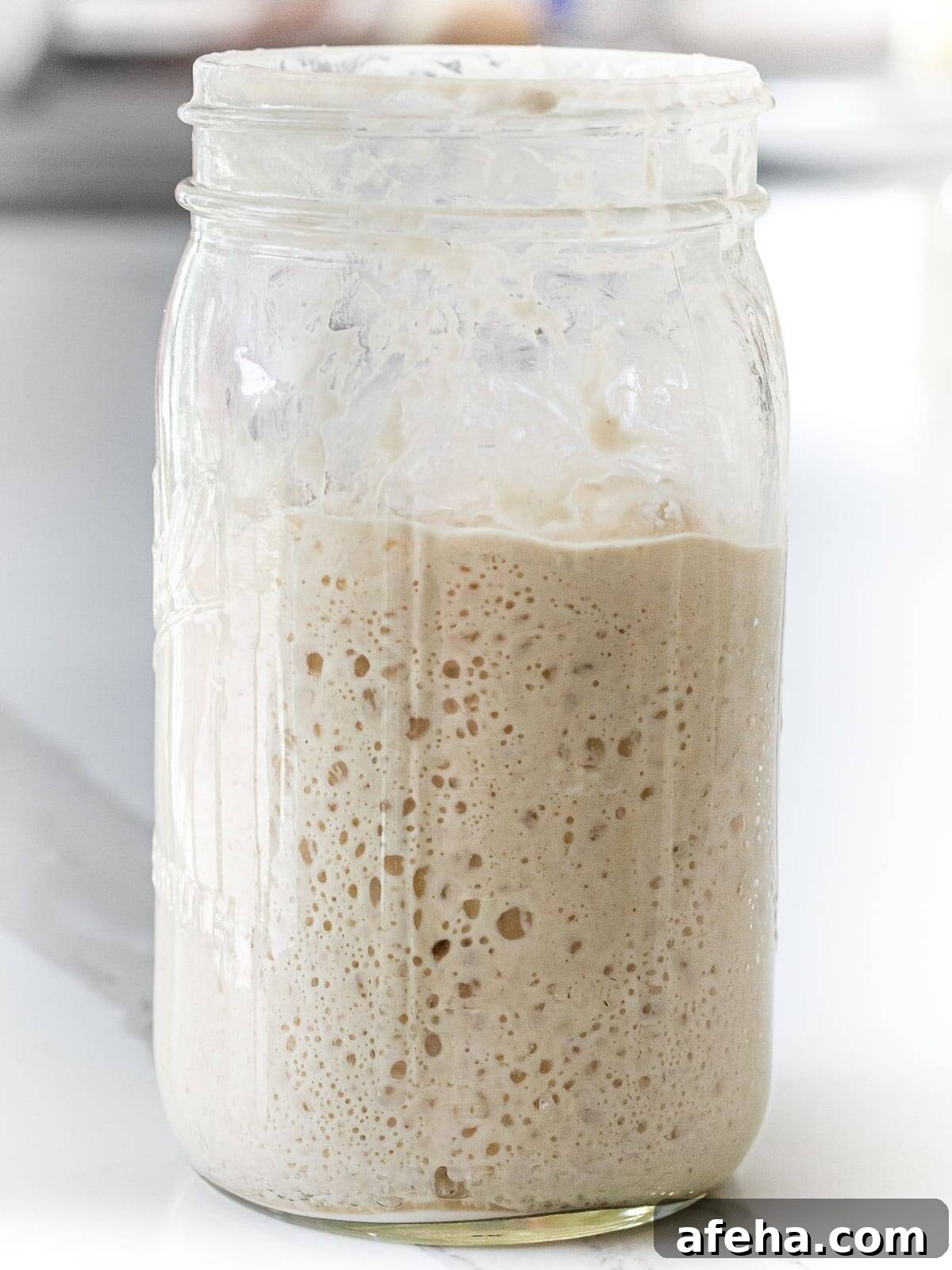
Table of Contents
- What is sourdough starter?
- Traditional method to making sourdough starter
- No-discard method using yeast water
- Differences in each method with pros & cons
- Frequently Asked Questions
- Sourdough Starter 2 Ways – Recipe
What is sourdough starter?
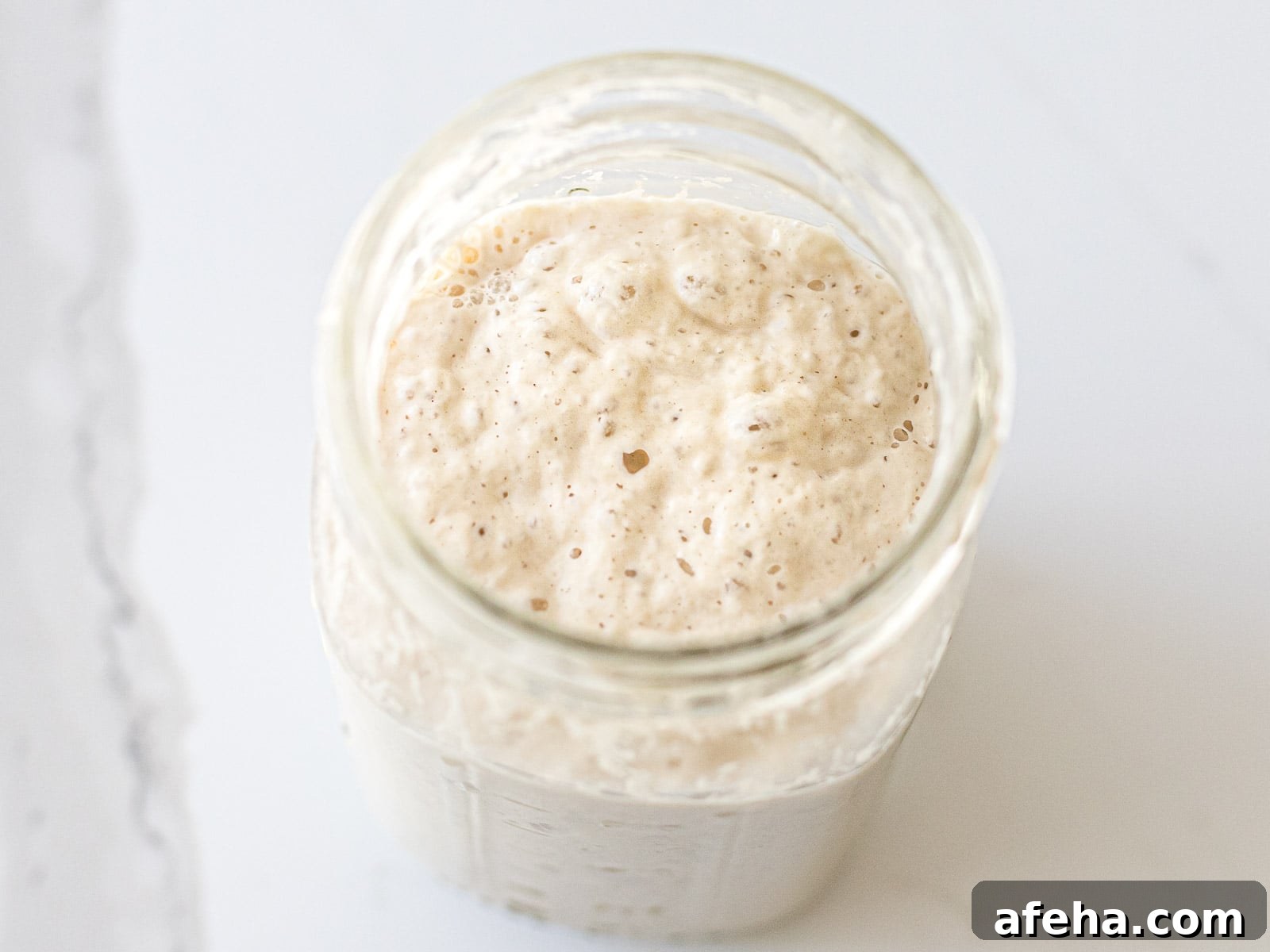
A sourdough starter (also called a culture or levain) is simply flour and water that has fermented to capture wild yeast and beneficial bacteria from the environment. That natural culture acts as the leavening agent for sourdough bread and contributes complex flavor and improved texture compared with commercial yeast.
Many bakers maintain a starter by regularly feeding it and discarding part of the mixture to keep it healthy. But there’s another convenient option: a no-discard starter made with yeast water. Below I explain both approaches so you can choose the one that fits your baking routine.
Traditional method to making sourdough starter
This creates a 100% hydration starter (equal parts flour and water by weight) and is a classic way to cultivate wild yeast from flour.
Ingredients you’ll need:
- Rye or whole wheat flour
- Filtered water
- Kitchen scale
- Clear jar or bowl
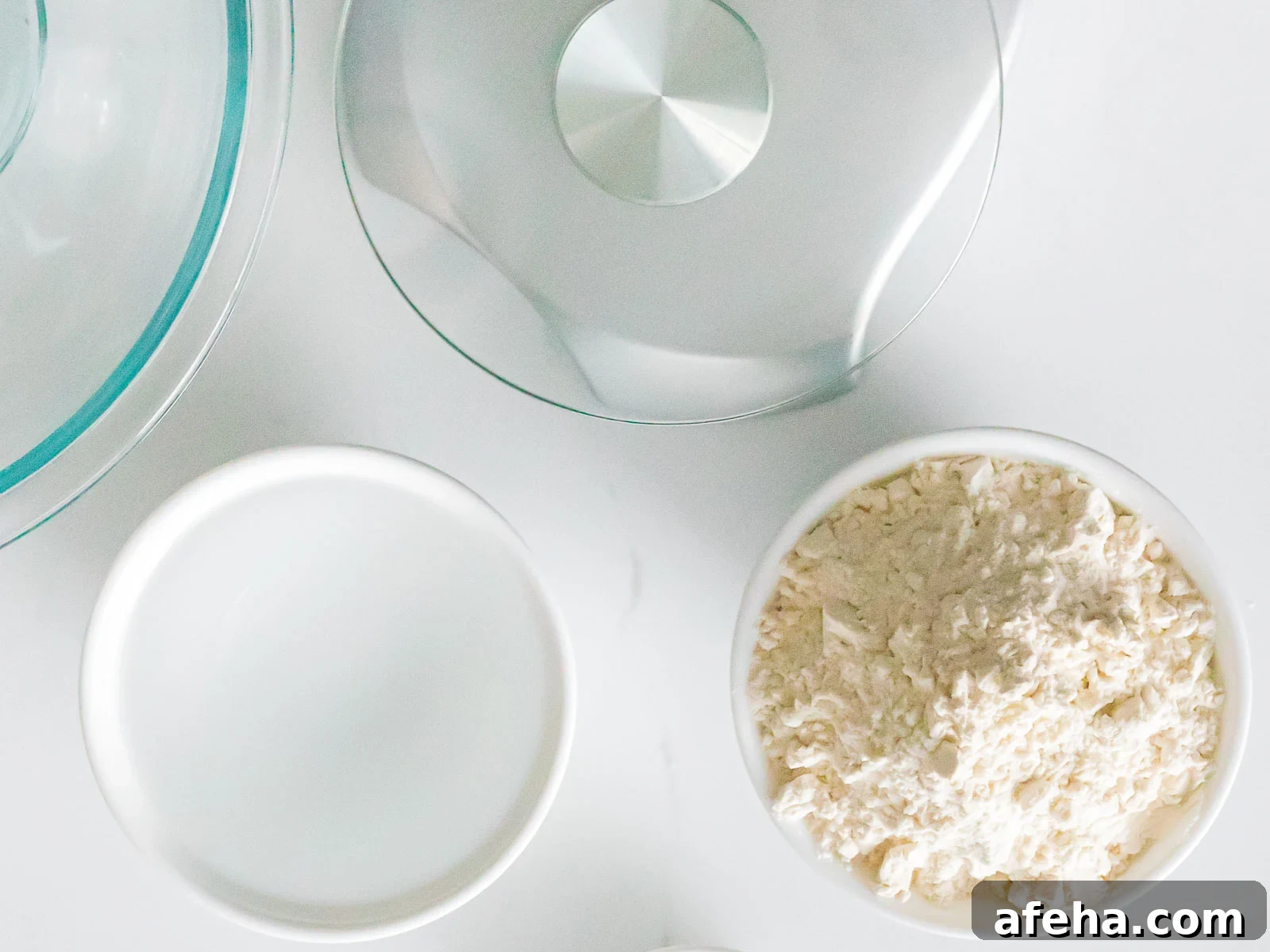
The flour provides sugars for wild yeast and bacteria to feed on. As fermentation proceeds, carbon dioxide produced by the yeast forms bubbles and the starter becomes active.
Step-by-step: feeding and discarding
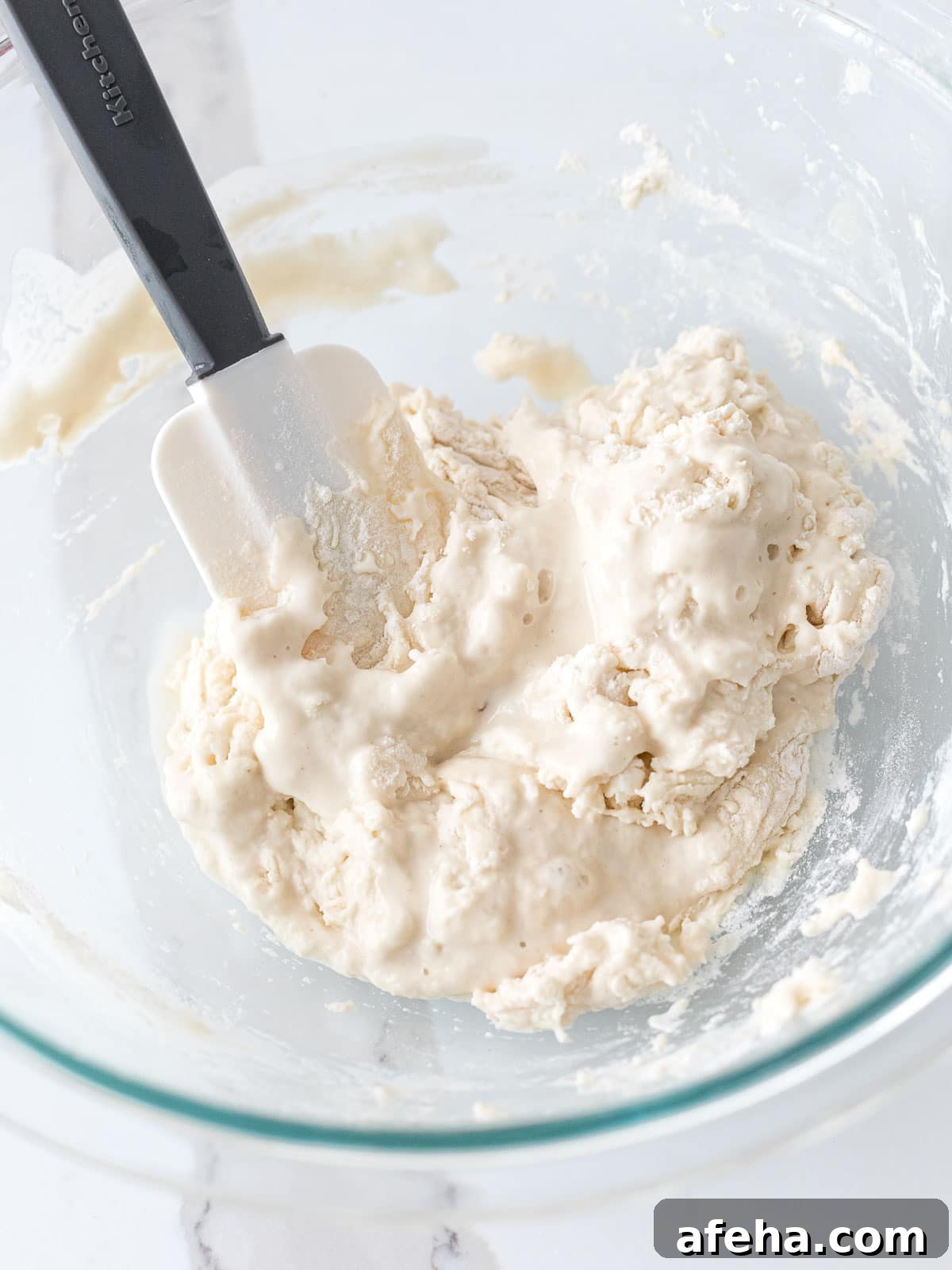
- Day 1: Mix equal weights of flour and water (measured in grams) to form the initial starter. Place the mixture in a clear jar or bowl, cover loosely, and keep it in a warm spot away from direct sunlight.
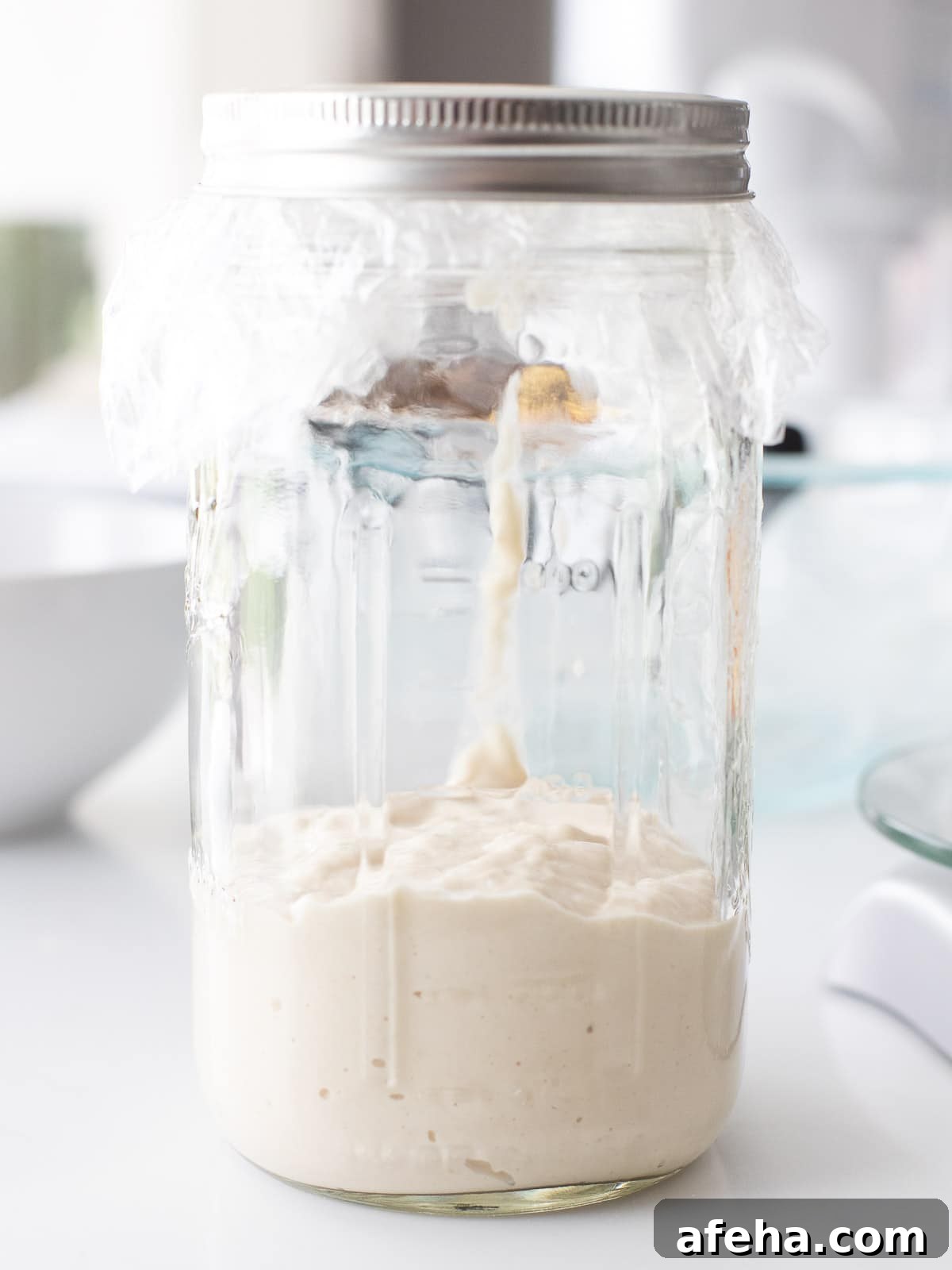
- Day 2: Discard most of the starter, leaving a small portion (or the specified amount in your recipe). Feed that retained portion with fresh flour and water, mix well, and return it to a warm location.
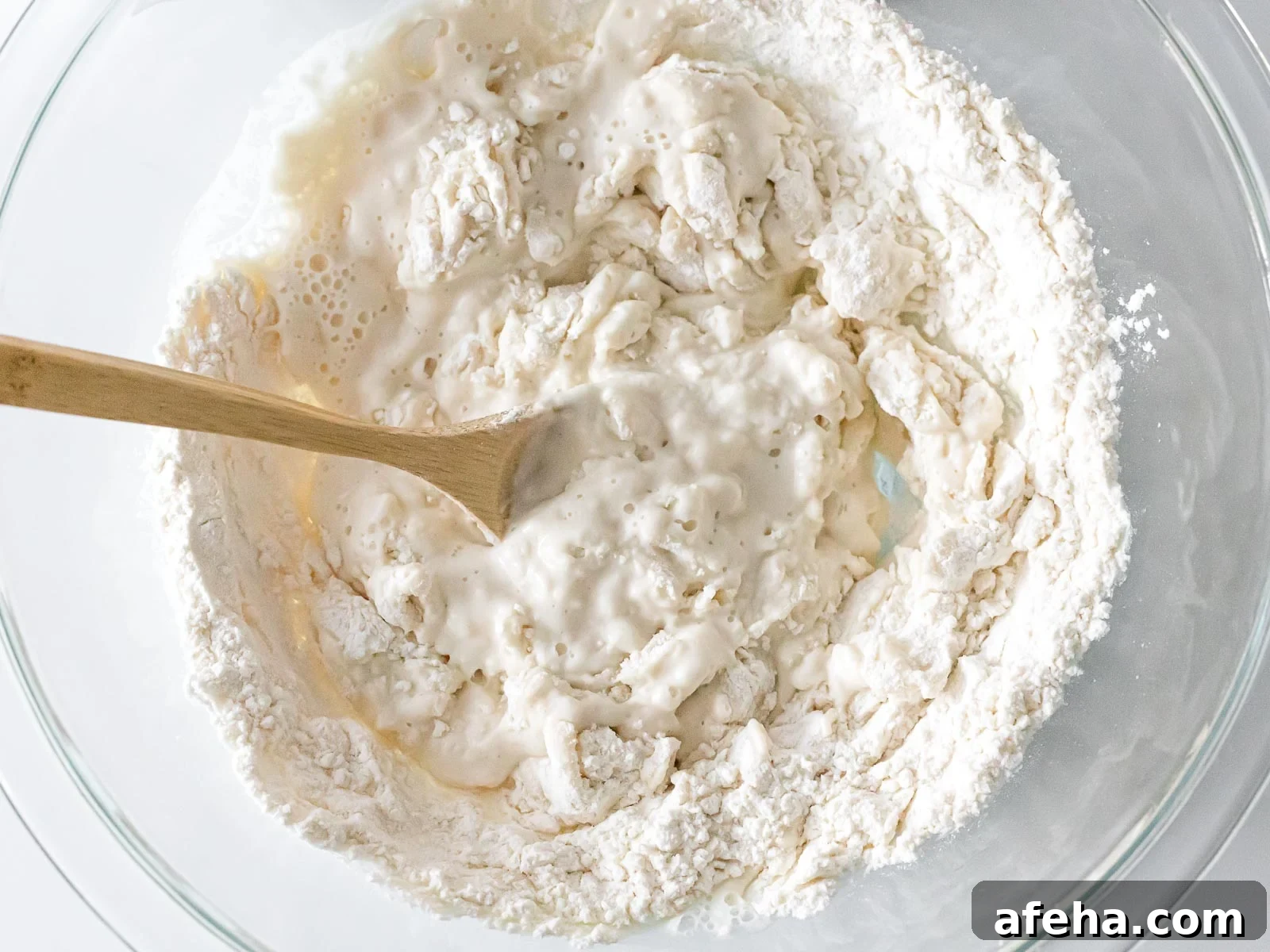
- Days 3–5 (twice daily): Continue discarding most of the starter and feeding with fresh flour and water every 12 hours. During this phase you should begin to see small bubbles, a pleasant yeasty smell, and gradual rise in volume. The aroma after feeding is often described as bread-like with a light tang.
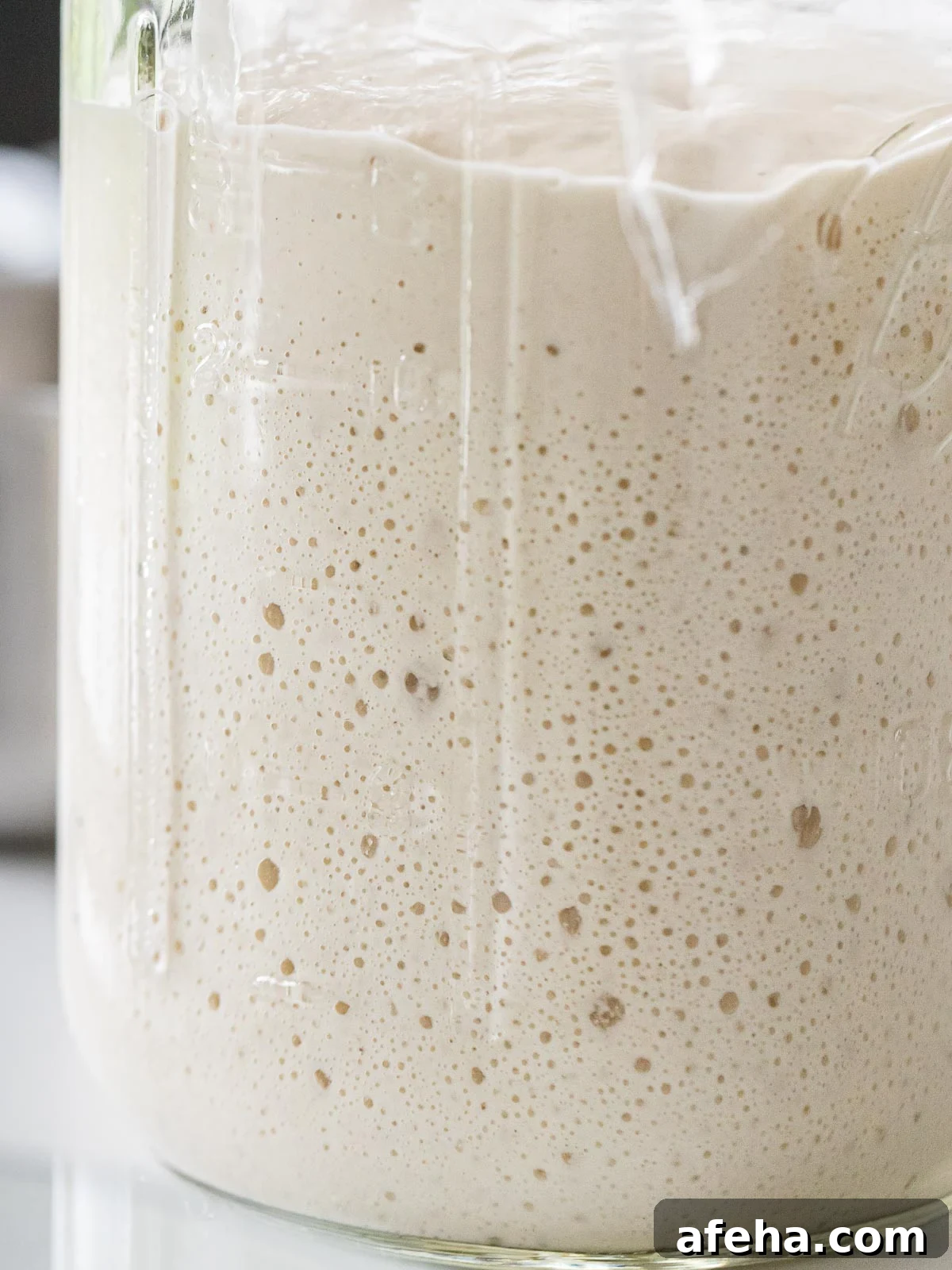
- Day 6: A healthy starter will be bubbly and double in volume about 4–6 hours after feeding. At this point you can use it for baking or store it in the refrigerator, where fermentation slows and weekly feedings are sufficient.
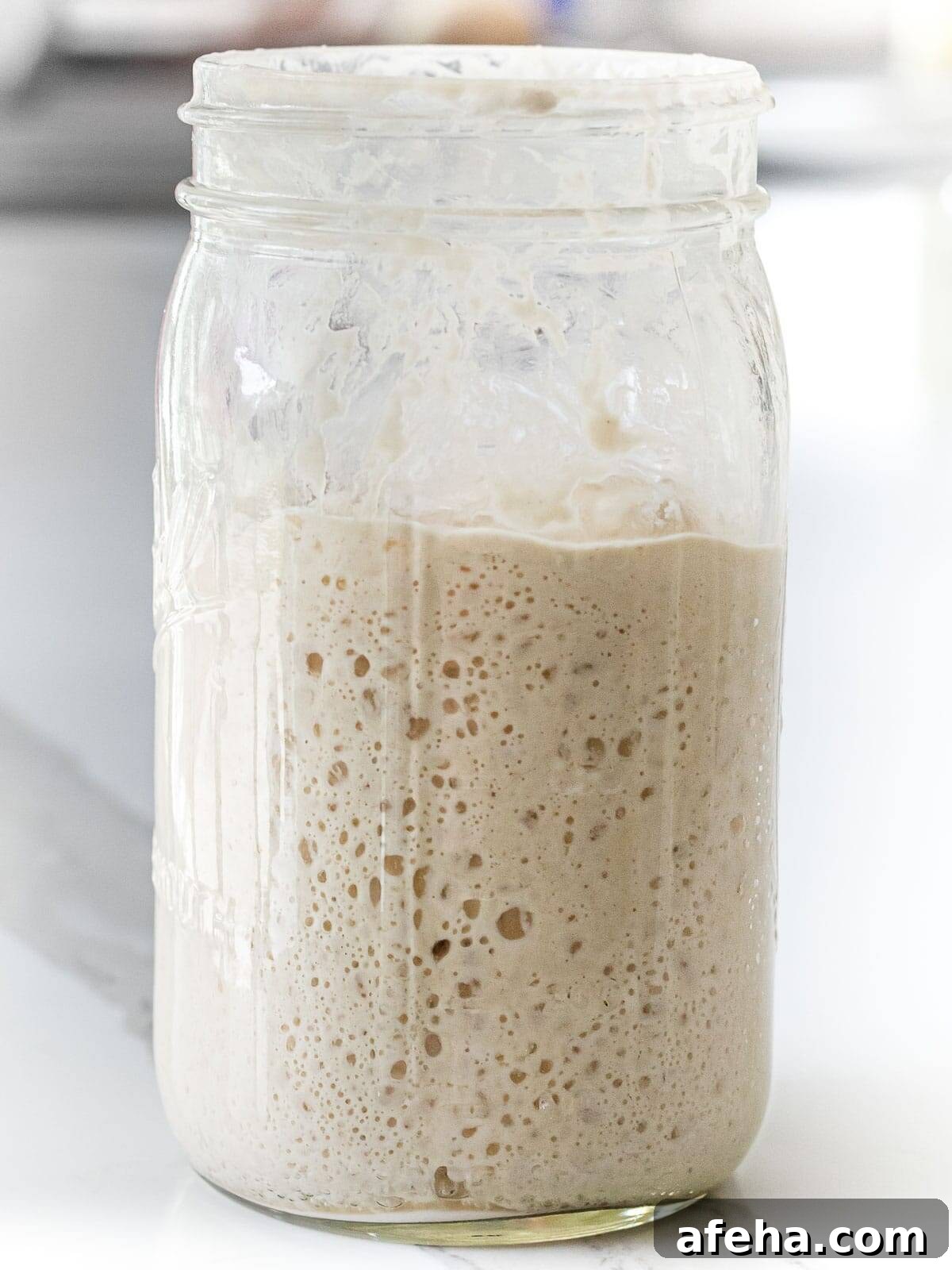
Starter activity depends on room temperature and the natural yeast population in your flour. Learning your starter’s schedule—when it peaks and when it falls—helps you time your bakes for the best rise and flavor.
The traditional method produces discard that can be used in many recipes, or you can try the yeast water no-discard method below.
No-discard method using yeast water
This approach uses yeast water—a liquid fermented with dried fruit to cultivate wild yeast from the fruit skins. A baker trained in wild-yeast techniques taught this method; it requires no repeated feeding or discarding to create an active levain.
Benefits include less maintenance and faster readiness: a yeast-water starter can be ready to use in roughly 12–16 hours once you have the yeast water prepared. (Making yeast water typically takes several days.)
Ingredients you’ll need
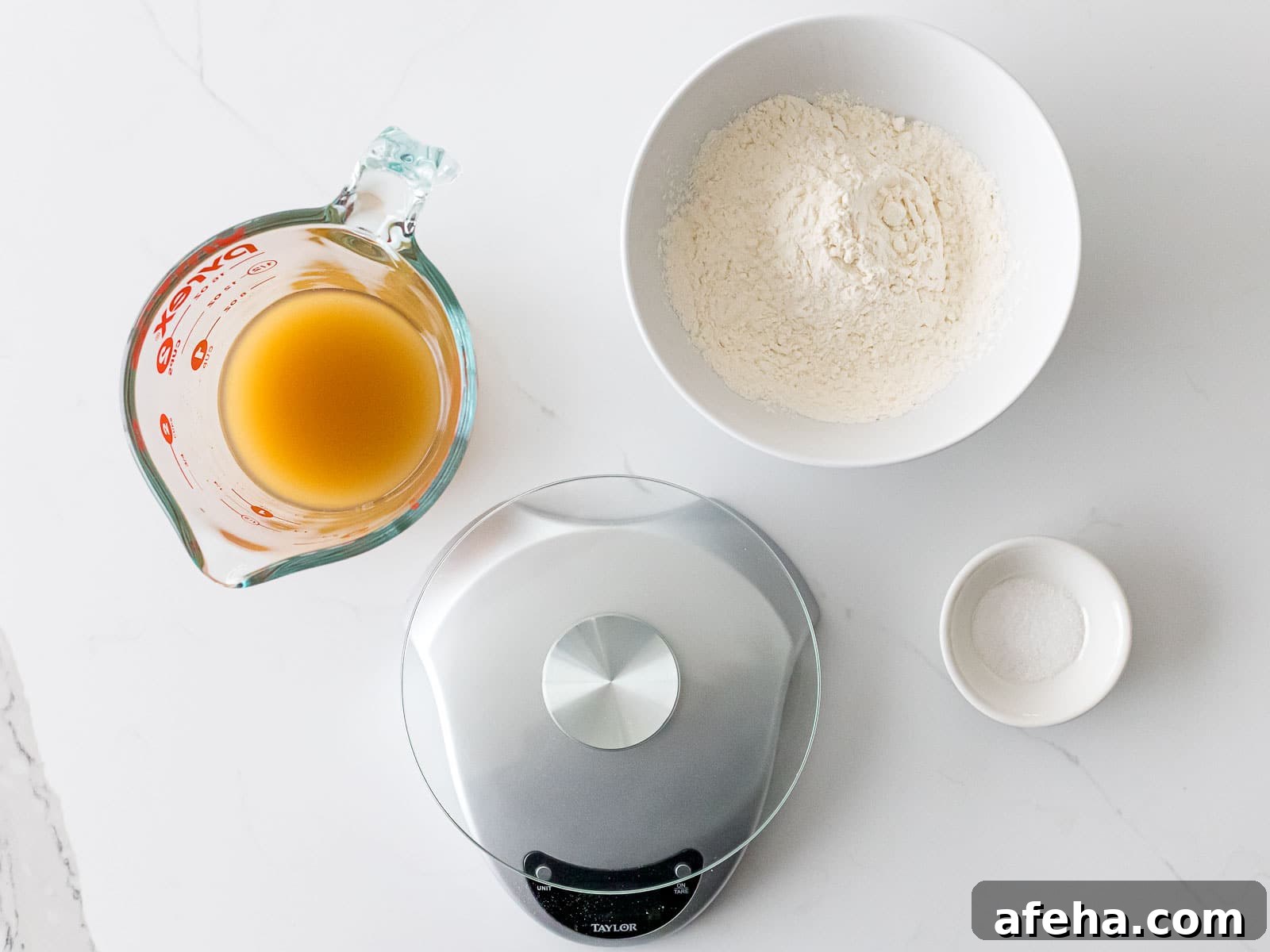
- Yeast water – a fermented liquid made by soaking dried fruit to capture natural yeasts on the skins.
- Bread flour
- Kitchen scale
- Salt (optional)
Salt may seem unusual in a starter, but a small amount (about 2% of the flour weight) will slow fermentation slightly, allowing more flavor development and a longer rise. Too much salt will inhibit or kill the yeast, so use it sparingly or omit it if you want the starter to become active faster.
Step-by-step instructions
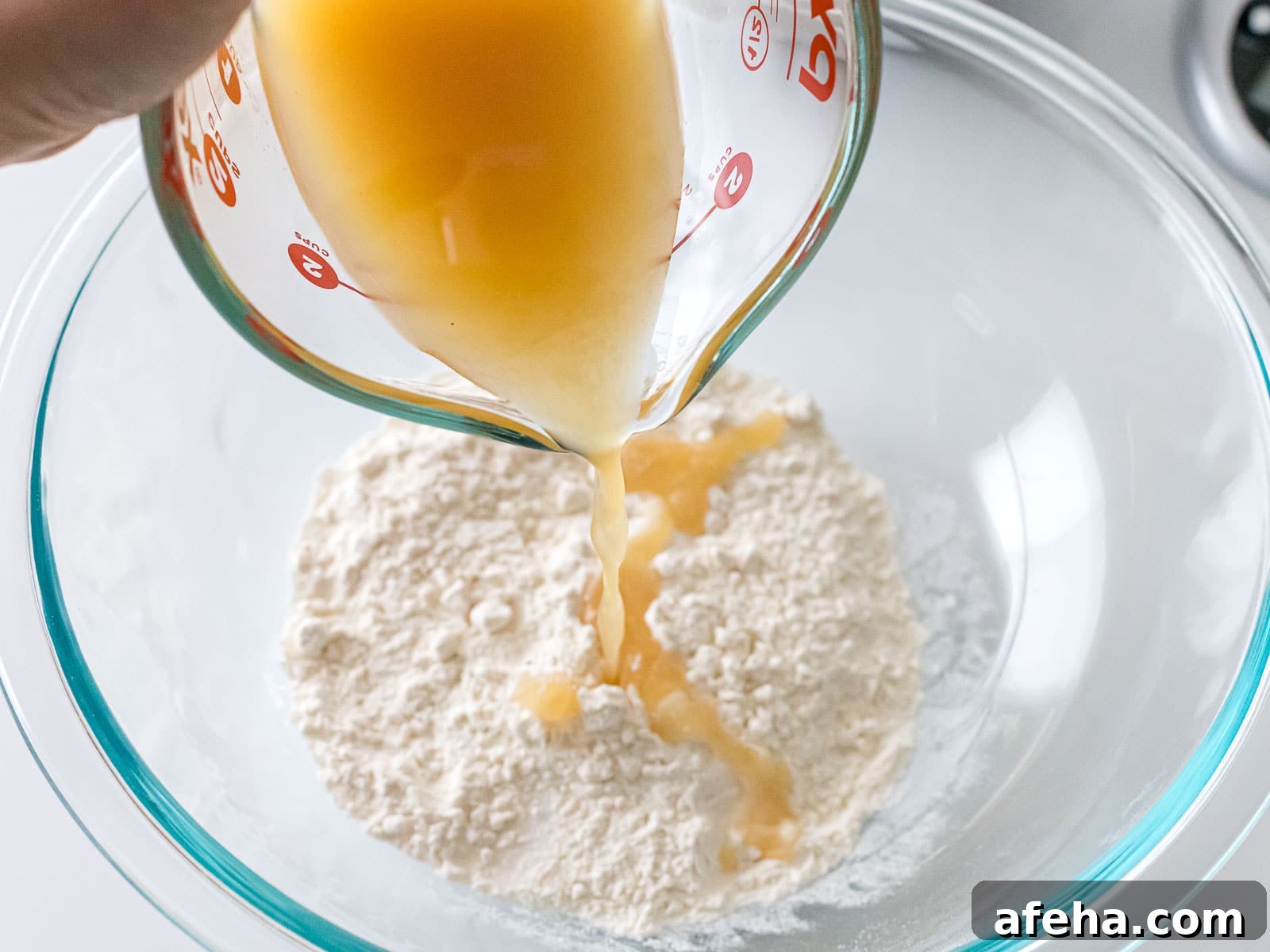
- Day 1: Mix yeast water, bread flour, and salt (if using) in a clear jar or bowl. Cover loosely and leave in a warm place out of direct sunlight.
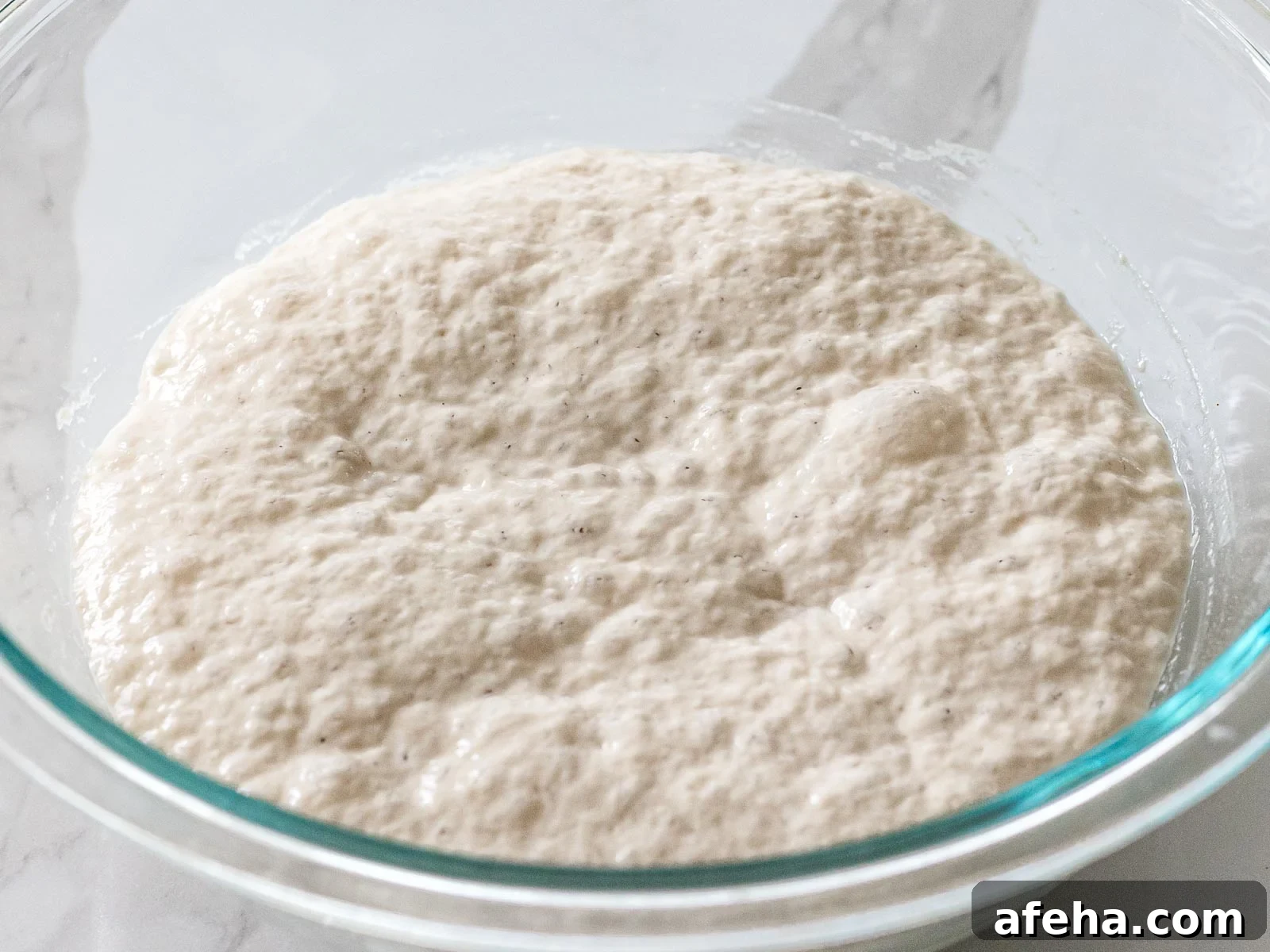
- 12–16 hours later: The mixture should have doubled in volume and be bubbly—ready to use as a levain with no further feeding or discard required. Store any leftovers in the fridge and feed them as you would a regular starter to keep them alive.
Differences in each method with pros & cons
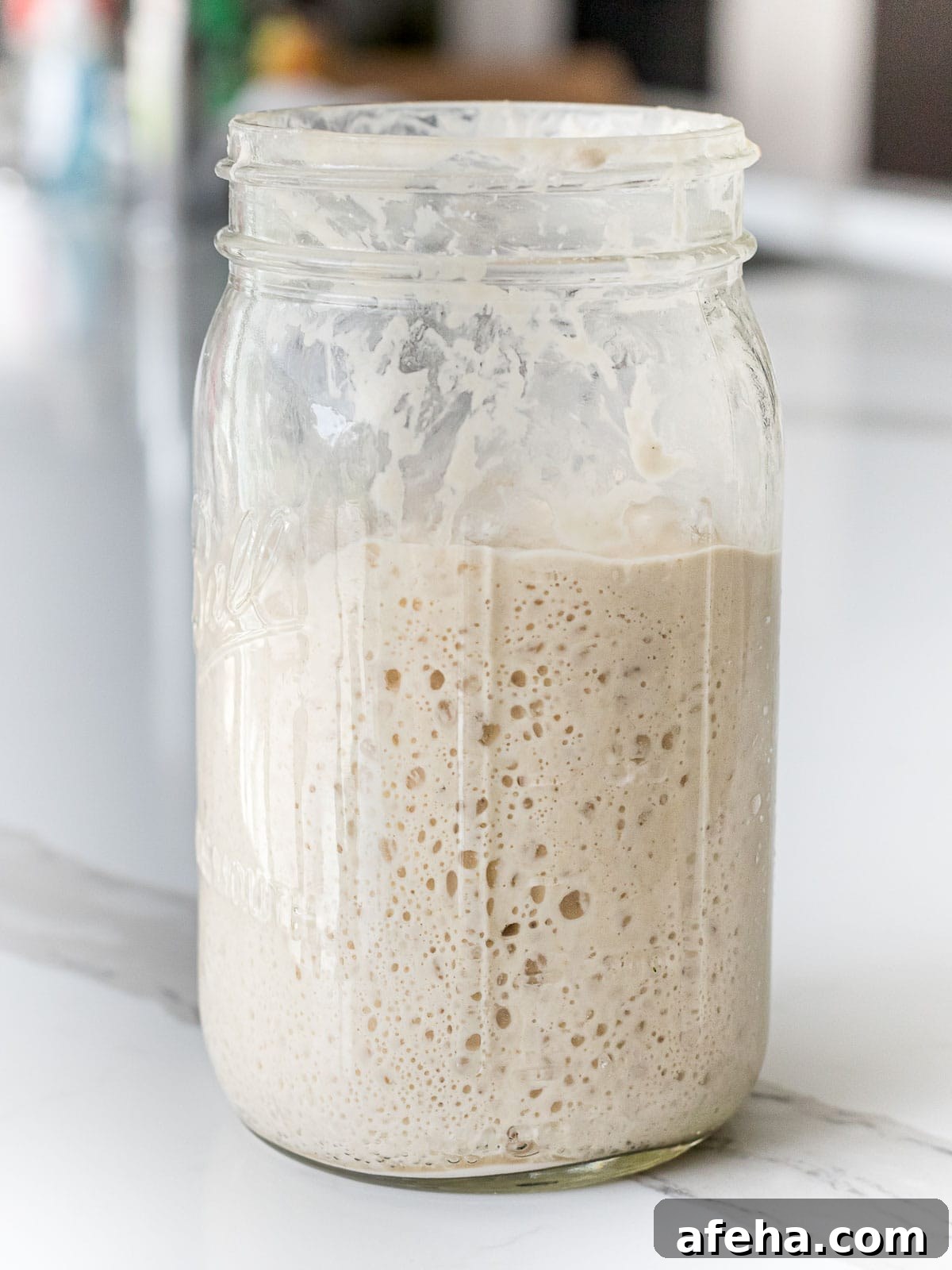
Traditional feed & discard method
Pros:
- You watch the starter develop from scratch and learn its behavior.
- Extended fermentation can produce a tangier starter; cooler conditions increase sourness.
- You can customize feedings with different flours (rye, whole wheat, bread flour, etc.).
Cons:
- Typically takes about 6–7 days to become reliably active.
- Requires frequent feeding and produces discard.
- Higher maintenance than the yeast-water approach.
No-discard yeast water method
Pros:
- Starter/levain is ready in about 12–16 hours once yeast water is available.
- No repeated feeding or discarding required to create the levain.
- Lower maintenance; you can produce just the amount you need.
- Yeast water can be stored in the fridge so you can make starter quickly when needed.
Cons:
- Making yeast water takes several days.
- Starter from yeast water is initially less sour than a long-fermented traditional starter, though sourness increases with repeated feedings over time.
- Yeast water should be refreshed or remade every few months for best results.
Frequently Asked Questions
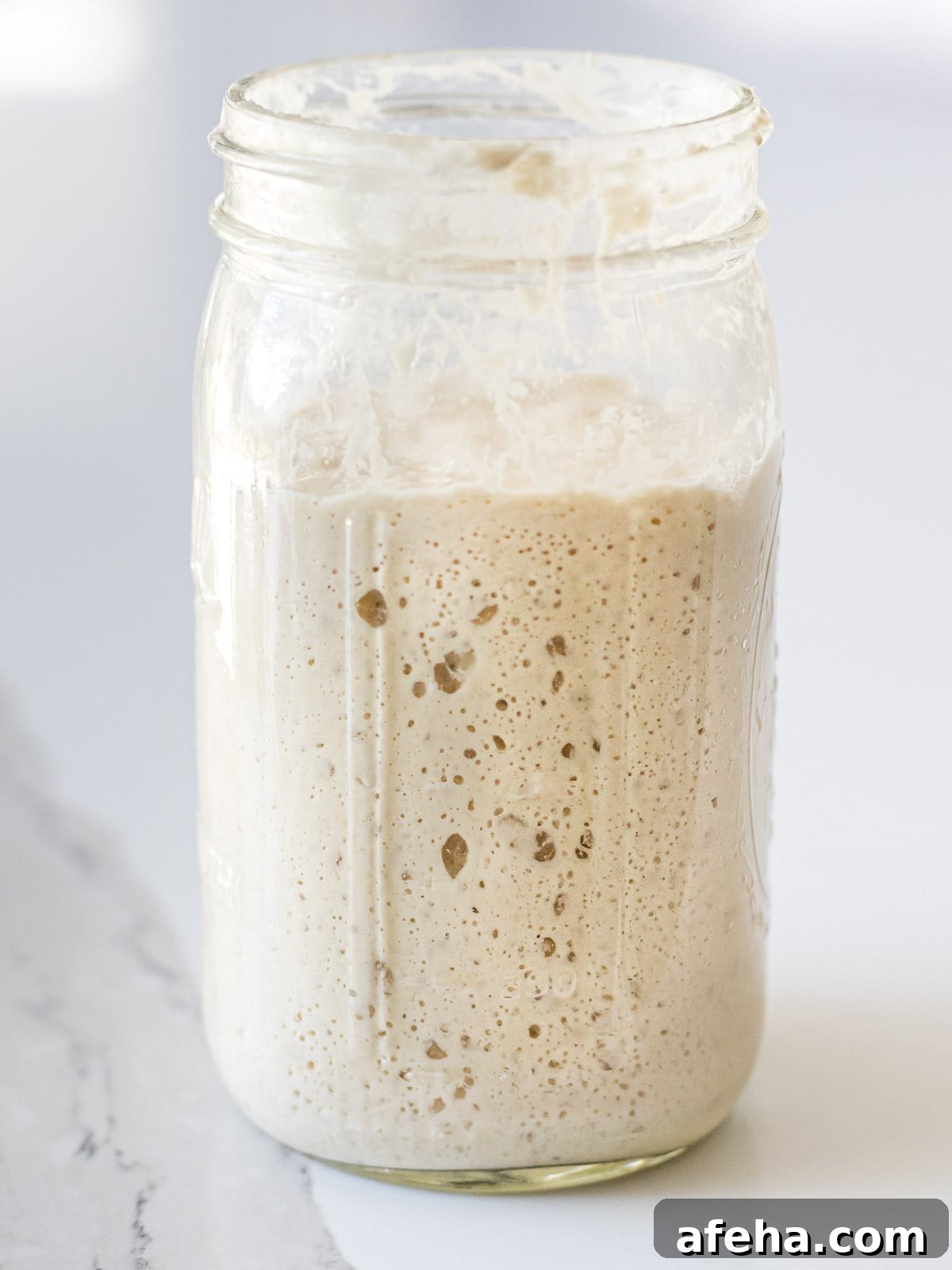
Store starter in a glass jar in the refrigerator with the lid loosely closed. Feed it about once a week: discard 50–75% and replace that portion with equal weights of flour and water. Regular feedings keep it healthy indefinitely.
Maintain starter by feeding with fresh flour and water. If you won’t use it for a while, discard most of it and feed the remaining portion. Larger discards allow longer intervals between feedings because you’re replacing more of the mixture with fresh food for the yeast.
Discarding controls the total volume and keeps the yeast well fed. If you kept all of the starter each time, you’d have to feed increasingly large quantities to maintain activity.
Just after feeding it should smell pleasantly yeasty and slightly tangy, like fresh dough. If it smells very sour, vinegary, or like nail polish remover (acetone), it may be overripe or stressed and needs feeding or attention.
For starting a new culture, whole rye or whole wheat flour often gives faster activity due to higher nutrient content. Once mature, you can maintain the starter with bread flour or other white flours. For yeast-water starters, any flour will generally work.
If you see mold or pink/orange discoloration, discard the starter and start over. A layer of liquid (‘hooch’) on top indicates hunger—pour it off and resume regular feedings. If it doesn’t revive after feeding, discard and remake.
Use your starter at its peak—when it has doubled in size after feeding and shows no signs of collapsing. That’s when it has the most leavening strength.
Sourness comes from acids produced during fermentation. Cooler temperatures and longer fermentation encourage acetic acid development, increasing sour flavor. Refrigerating between feedings can help develop more sour notes.
Activity varies with ambient temperature and yeast available in your flour. Use warm water, feed with rye flour, and keep the starter in a warm spot (about 74–78°F) to speed activity.
More recipes to try:
- Sourdough Focaccia with Rosemary and Parmesan
- How to Make Yeast Water with Fruit
- Bakery Swiss Roll Cake Recipe
- Butter Cookies – Easy 6 Ingredient Recipe
- Pumpkin Chocolate Chip Bread with Cream Cheese Swirls
Sourdough Starter 2 Ways – Traditional and No-discard method
Equipment
- Kitchen scale
Ingredients
Traditional Starter Method – Initial Mix (Day 1)
- 120 g whole rye flour or whole wheat flour
- 120 g filtered water (use warm water if your environment is cold)
Traditional Starter Method – Daily Feeding (Days 2 to 7)
- 120 g bread flour
- 120 g filtered water
No-discard Yeast Water Method
- 100 g yeast water
- 100 g bread flour
- 2 g sea salt (optional; see notes)
Instructions
No-discard Yeast Water Method (100% hydration)
- Mix yeast water, bread flour, and sea salt (if using) in a clear bowl or jar. Cover and set in a warm place for 12–14 hours or until doubled in volume. Without salt, it may be ready in 6–8 hours.
- Once doubled, the starter is ready to use. This yields about 200 g of starter. Store leftovers in the fridge and maintain them like a regular starter; flavor will deepen with time.
Traditional Sourdough Starter Method (100% hydration)
- Day 1: Mix 120 g rye or whole wheat flour with 120 g filtered water. Place in a jar, cover loosely, and keep in a warm area (74–78°F) for 24 hours.
- Day 2: Keep 120 g of the initial mix and discard the rest. Add 120 g bread flour and 120 g water to the retained portion. Mix and rest for 24 hours. (Total starter ~360 g.)
- Days 3–5: Twice daily: retain 120 g of starter, discard the rest, then feed with 120 g bread flour and 120 g water. After several cycles you should see bubbles and consistent activity.
- Day 6: The starter should be bubbly and double 4–6 hours after feeding. Use it for baking or refrigerate and feed weekly (retain 120 g and feed 120 g flour + 120 g water).
- If the starter isn’t active by day 6, continue the twice-daily discard-and-feed routine until it shows reliable rise and bubbles. Cooler conditions may require more time.
Notes
- Whole rye flour: Rye often encourages faster activity because of its nutrient content. Whole wheat can be used as a substitute. Avoid bleached flours for starting cultures.
- Salt in the no-discard method: A small amount of salt (about 2% of the flour weight) delays fermentation and improves flavor. Omit salt to speed activation, but do not exceed recommended amounts or you risk inhibiting the yeast.
See the FAQ above for troubleshooting tips.
Nutrition
Nutrition information is an approximation.
Like this? Leave a comment below!