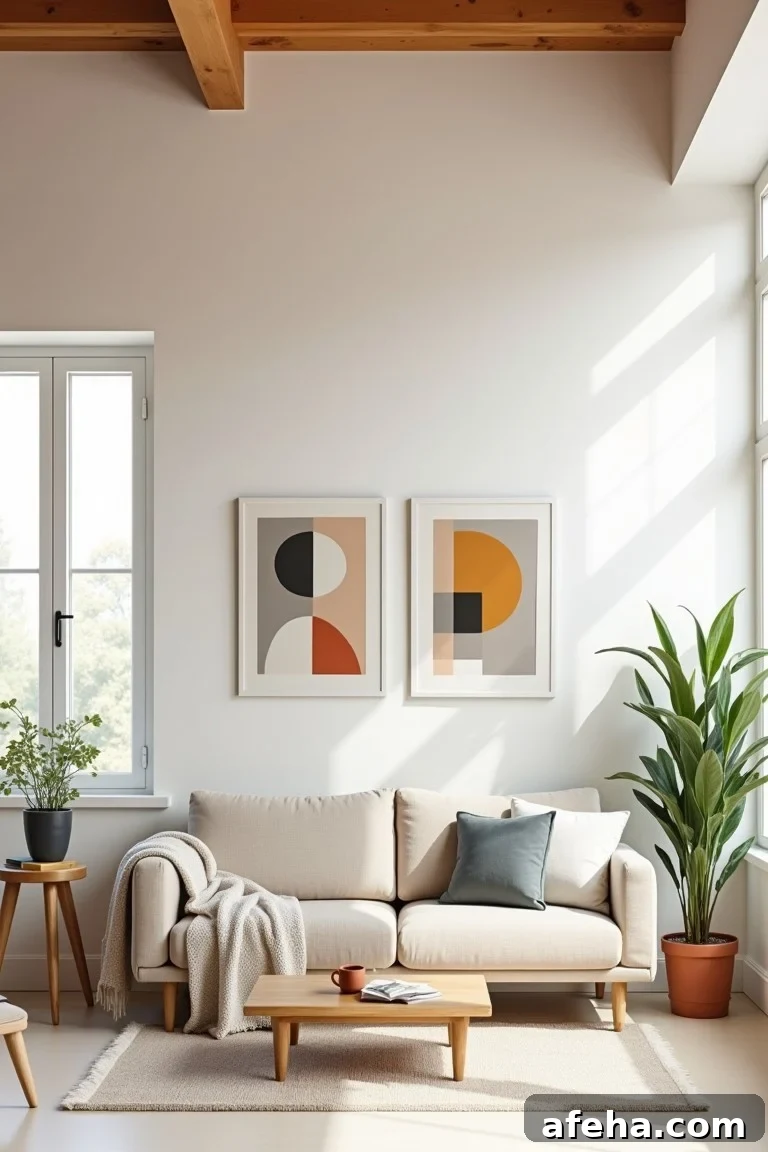
Wondering why minimalism is so popular? I asked readers, and the results are in. From improved mental health and environmental concerns to lower stress and more time for what matters, here are the top 10 reasons people choose minimalism—some may surprise you.
Table of Contents
When I first discovered minimalism it wasn’t because of curated capsule wardrobes or trendy documentaries. It was because life felt overwhelming—motherhood, grief, health challenges, and work left me stretched thin. Letting go of unnecessary belongings became a practical way to regain control. Simplifying the physical space turned our home into a place of calm instead of chaos. The time and energy I recovered by reducing clutter let me focus on what mattered most during difficult seasons.
That personal reason is just one of many. I reached out to the community to learn what motivates others to simplify. Hundreds of readers shared their stories, and while each journey is unique, clear themes emerged. Below are the ten most common reasons people embrace minimalism.
Here are the 10 most common reasons people are drawn to minimalism:
1. Stress relief
Busy schedules, demanding jobs, family responsibilities, and household clutter all add stress. Simplifying your environment and commitments creates breathing room and a calmer home. For many, the act of decluttering is a tangible step toward clarity and control when life feels unmanageable.
“When I was single, I was minimalist without realizing it. A marriage and three kids later, my life felt chaotic. I went back to minimalism as part of a healing journey. It eased stress and gave time and space for what really matters.”
“A cluttered home added to my anxiety. Letting go of things helped me reclaim peace.”
2. More intentionality and time for what matters
Minimalism reduces physical and mental distractions so you can prioritize relationships, hobbies, and simple pleasures. Fewer possessions often mean fewer decisions and more time to spend on meaningful activities.
“I need time for my elderly mom and to enjoy my grandchildren. Stuff gets in the way of those moments.”
“My goal was to strip away unimportant hassles and make more time for people and activities I love. It’s a constant practice, but worth it.”
3. Creating a lighter legacy
Sorting through a loved one’s belongings after they pass motivated many readers to simplify. They don’t want to leave heirs with the burden of excess. Minimalism can ensure the legacy you leave is centered on memories, not boxes of unused items.
“After clearing my elderly parents’ home, I knew I didn’t want my children to face the same burden.”
“As a former house cleaner, I saw how overwhelming it was for families when someone passed. I don’t want to put that stress on my loved ones.”
4. Managing health conditions
For many, minimalism is a health strategy. A simplified, organized environment helps people manage anxiety, depression, ADHD, migraines, and sensory overload. Reducing visual and physical clutter can improve focus and well-being.
“Chronic migraines are worsened by overstimulation. Reducing things helps my brain function and lets me enjoy time with loved ones.”
“Post‑natal depression made our home overwhelming. Decluttering over a year helped me feel back in control.”
5. Less cleaning and maintenance
Owning fewer items means less time spent cleaning, repairing, and organizing. That frees time for living instead of managing possessions, which many readers described as life-changing.
“Less time cleaning means more time with family and more enjoyment of our home.”
“I used to use chores as an excuse not to live; simplifying changed that.”
6. Prioritizing experiences
Minimalism reallocates resources away from things and toward experiences—travel, creative pursuits, and family time. Experiences build lasting memories and satisfaction that material goods rarely match.
“Less stress, less cleaning, more memories.”
“We spent spring break making memories on the Gulf Coast—best use of our money.”
7. A dislike for clutter
Some people simply prefer tidy, open spaces. Growing up in chaotic homes or living with sensory sensitivity makes clutter intolerable. Reducing visual noise improves mood and daily function for many.
“I grew up in a cluttered farmhouse; it made me anxious. Less stuff keeps my home in order and helps me enjoy it.”
“Stuff gives me anxiety.”
8. Environmental concerns
Minimalism often aligns with sustainability—buying less, wasting less, and choosing more durable items. For readers worried about the planet, simplifying is a concrete way to reduce impact and leave a lighter footprint.
“I worry about my grandchildren’s future. My generation was taught that acquiring stuff equals happiness. Now I try to buy less and leave a lighter legacy for the environment.”
9. Financial freedom
Buying less can reduce financial pressure and allow you to prioritize spending on essentials or meaningful experiences. Minimalism is less about deprivation and more about intentional resource use.
“Financial constraints forced us to avoid unnecessary purchases. It turned out to be a blessing.”
10. Parenthood
Raising children motivates many to simplify. Fewer possessions make daily family life easier and create space for shared moments. Parents often seek less clutter so they can be more present with their kids.
“I felt torn between housekeeping and playing with my children—simplifying helped.”
“As a single mum of three, overwhelm led me to simplify.”
“Working full time with kids made me want fewer decisions and simpler routines.”
Other minimalism articles you might enjoy:
- 15 science-backed benefits of minimalism
- How to be minimalist when the people you live with aren’t
- 10 reasons your clutter keeps coming back
What’s your minimalism why?
These ten reasons show how varied the motivations for minimalism can be. What inspired your simpler life—stress relief, more time, health, or something else?
Share your story in the comments below—I’d love to hear what inspired your minimalism journey.