
If you’ve recently discovered matcha, you may be wondering: what does matcha taste like? This concise guide explains the flavor, uses, health aspects, and how to choose quality matcha so you can enjoy this unique green tea with confidence.
Matcha has a smooth, finely textured, slightly sweet flavor with a fresh, grassy aroma. Depending on its quality, matcha can also present earthy, nutty, and mildly bitter notes. Made by grinding shade-grown green tea leaves into a fine powder, matcha is distinct from steeped green tea because you consume the whole leaf, which amplifies both flavor and nutrients.
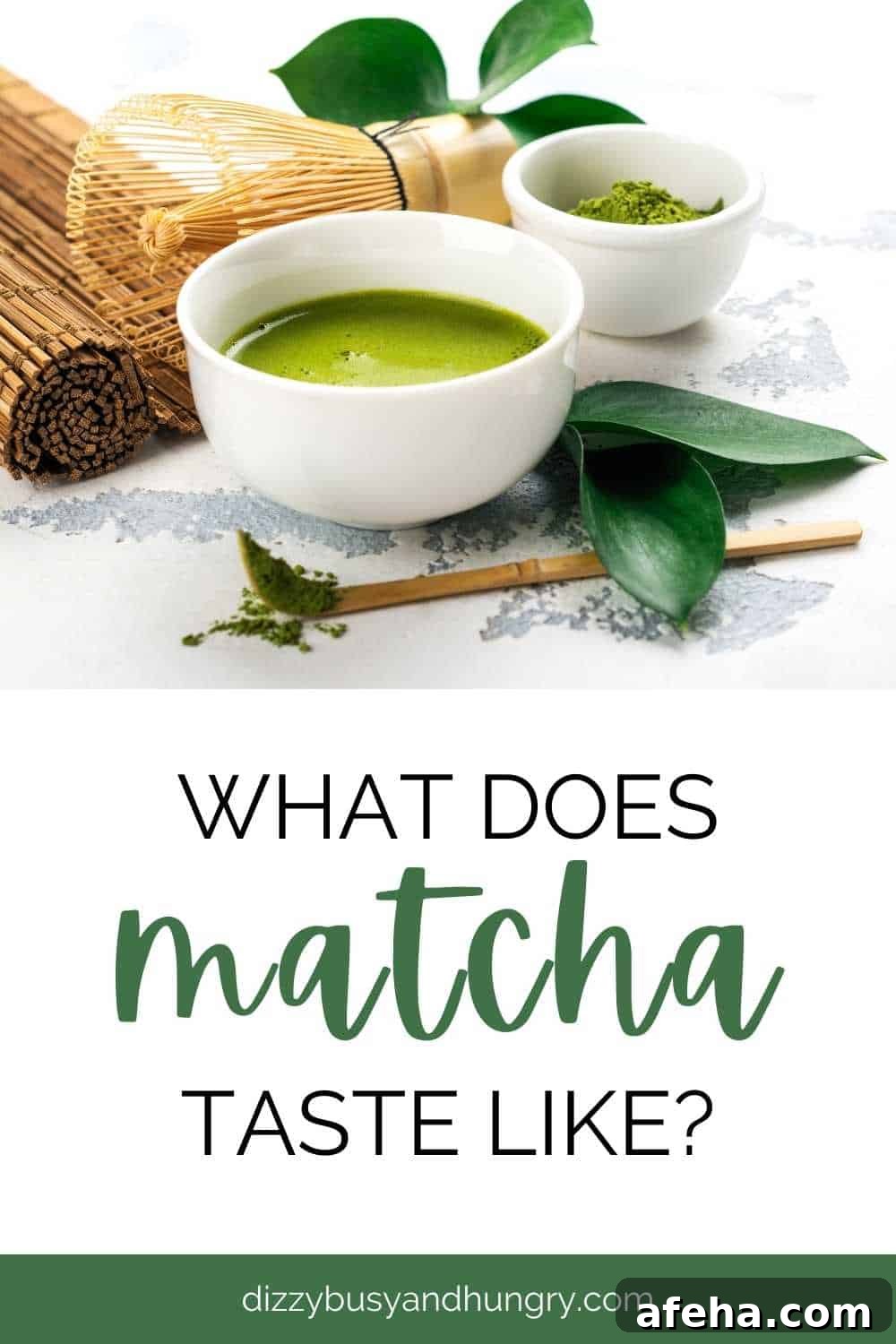
High-quality matcha has a vibrant, deep green color thanks to increased chlorophyll from shading the plants before harvest. Lower-quality matcha ranges toward yellowish-brown and tends to taste more bitter and less complex. Because grading and processing directly affect flavor, how you prepare matcha and the grade you select will shape the final taste experience.
Matcha’s flavor profile often includes a pronounced umami quality — a savory richness that sets it apart from many other teas. That umami, combined with the tea’s slight sweetness and vegetal undertones, makes matcha versatile for both beverages and recipes. It works well in lattes, smoothies, baked goods, and desserts, where its flavor and color can shine.
☕ Does Matcha Contain Caffeine?
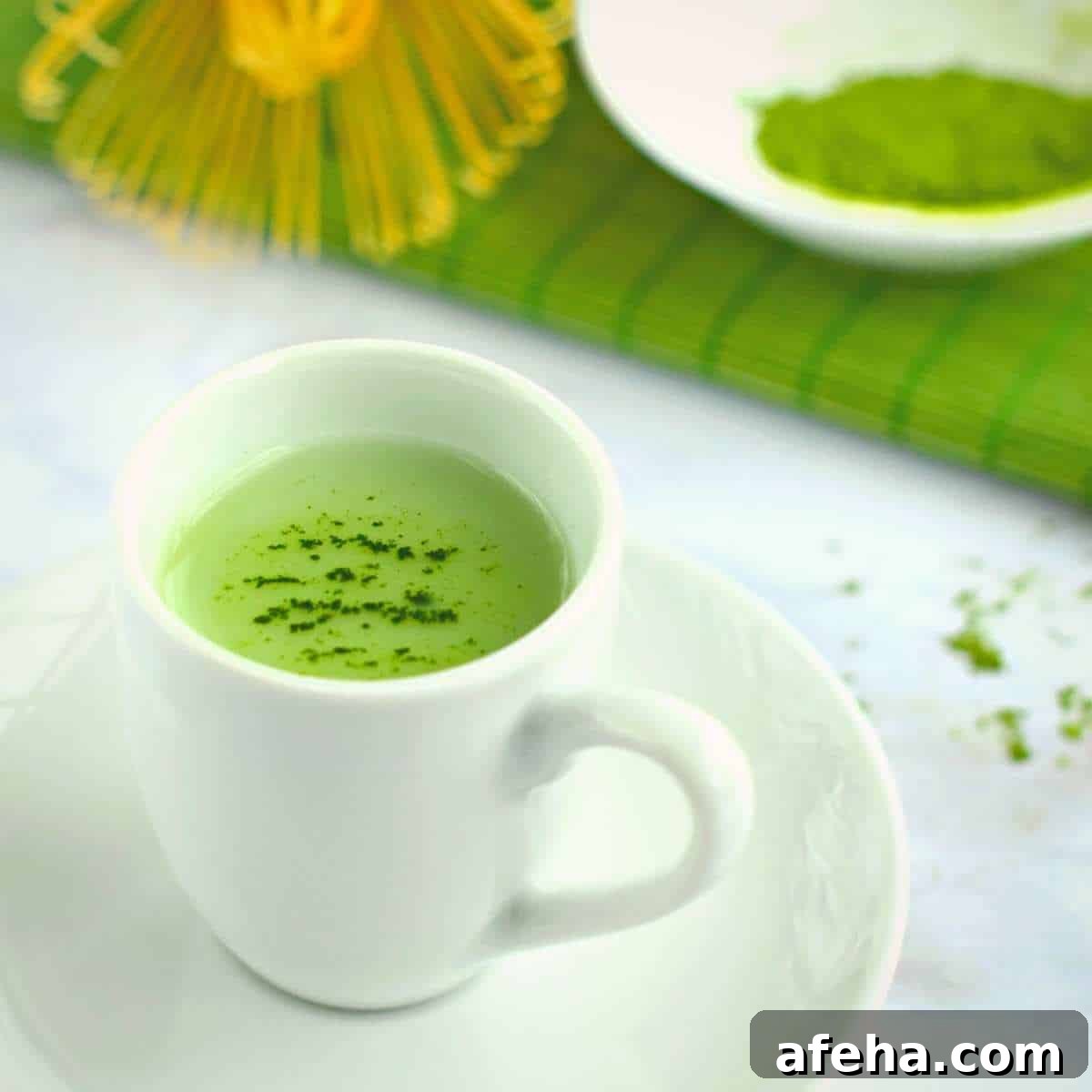
Yes. Matcha contains caffeine because it’s made from whole tea leaves that are shade-grown to raise caffeine and amino acid levels. Since matcha powder is whisked into water and the leaf is consumed, a serving typically delivers more caffeine than a comparable cup of steeped green tea. However, matcha generally contains less caffeine than coffee. The exact amount depends on the matcha grade, the amount of powder used, water temperature, and preparation time.
🥬 Is Matcha Healthy?
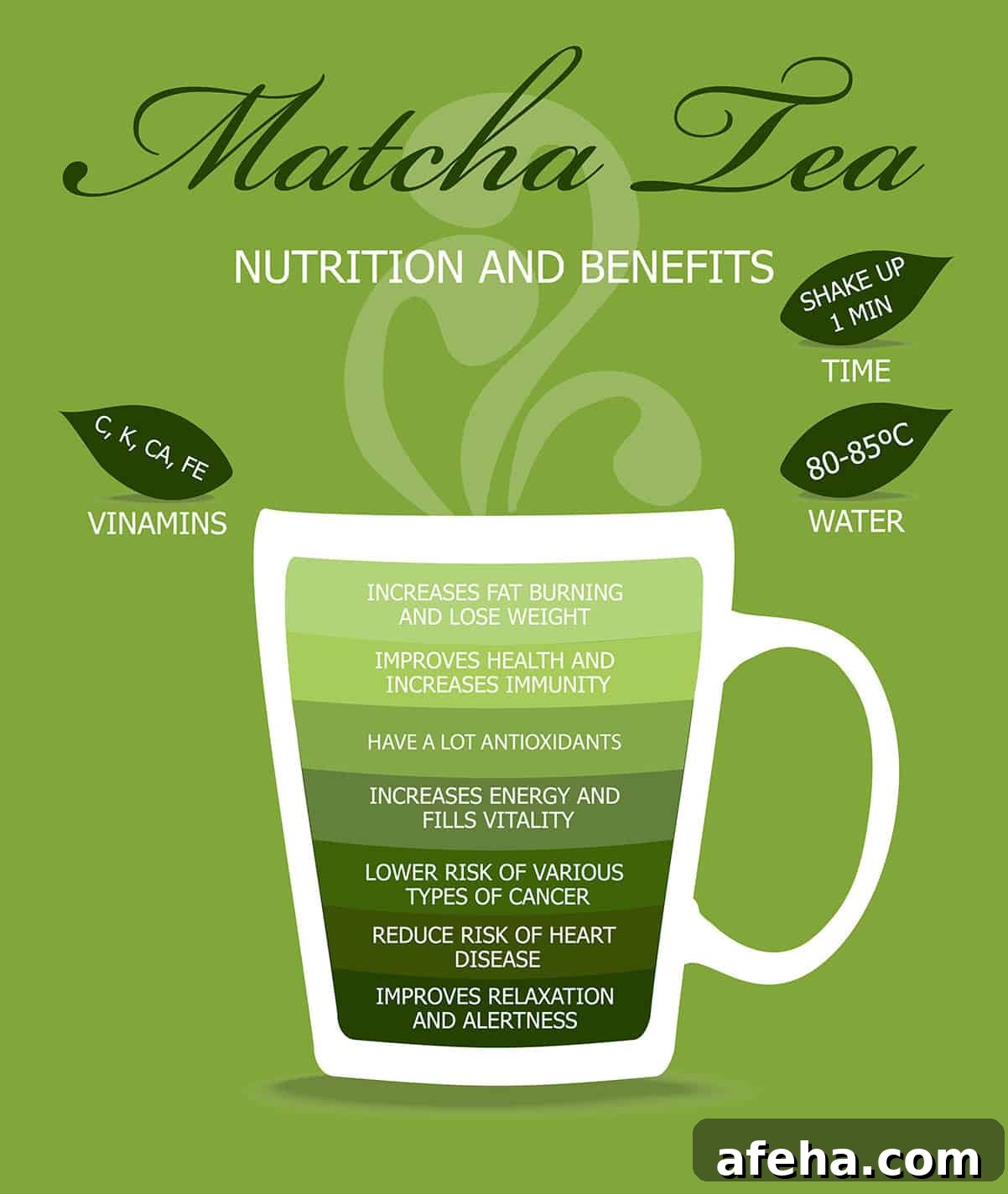
Matcha offers notable health benefits and has been used in traditional practices for centuries. Because you ingest the whole leaf, matcha is rich in antioxidants, particularly catechins, which help protect cells from oxidative stress. The combination of L-theanine and caffeine promotes alertness with a calmer, more focused sensation than coffee for many people. Studies suggest benefits such as improved metabolism, enhanced cognitive function, and potential positive effects on cardiovascular health. As with any food or supplement, effects vary by individual and depend on overall diet and lifestyle.
🍃 How To Make Matcha Tea
Traditional matcha is prepared by sifting about 1–2 grams of matcha powder into a bowl, adding hot water (around 70–80°C / 158–176°F), and whisking vigorously with a bamboo whisk until the surface becomes frothy. This method highlights matcha’s delicate balance of sweetness, umami, and mild bitterness. If you prefer a softer, creamier drink, mix matcha with milk or a milk alternative to make a latte. Sweeteners such as honey or sugar can be added to taste, though purists often recommend enjoying a higher-grade matcha plain to appreciate its full flavor.
😋 The Best Ways To Use Matcha In Your Recipes
Matcha adds color, flavor, and nutrients to many dishes. It can be folded into smoothies, incorporated into batter for pancakes or muffins, mixed into ice cream and custards, or used to brighten sauces and dressings. Because culinary-grade matcha has a slightly stronger and sometimes more bitter taste than ceremonial grade, it’s ideal for baking and cooking where other ingredients balance its flavor. Ceremonial-grade matcha is best reserved for drinking straight or in a simple latte.
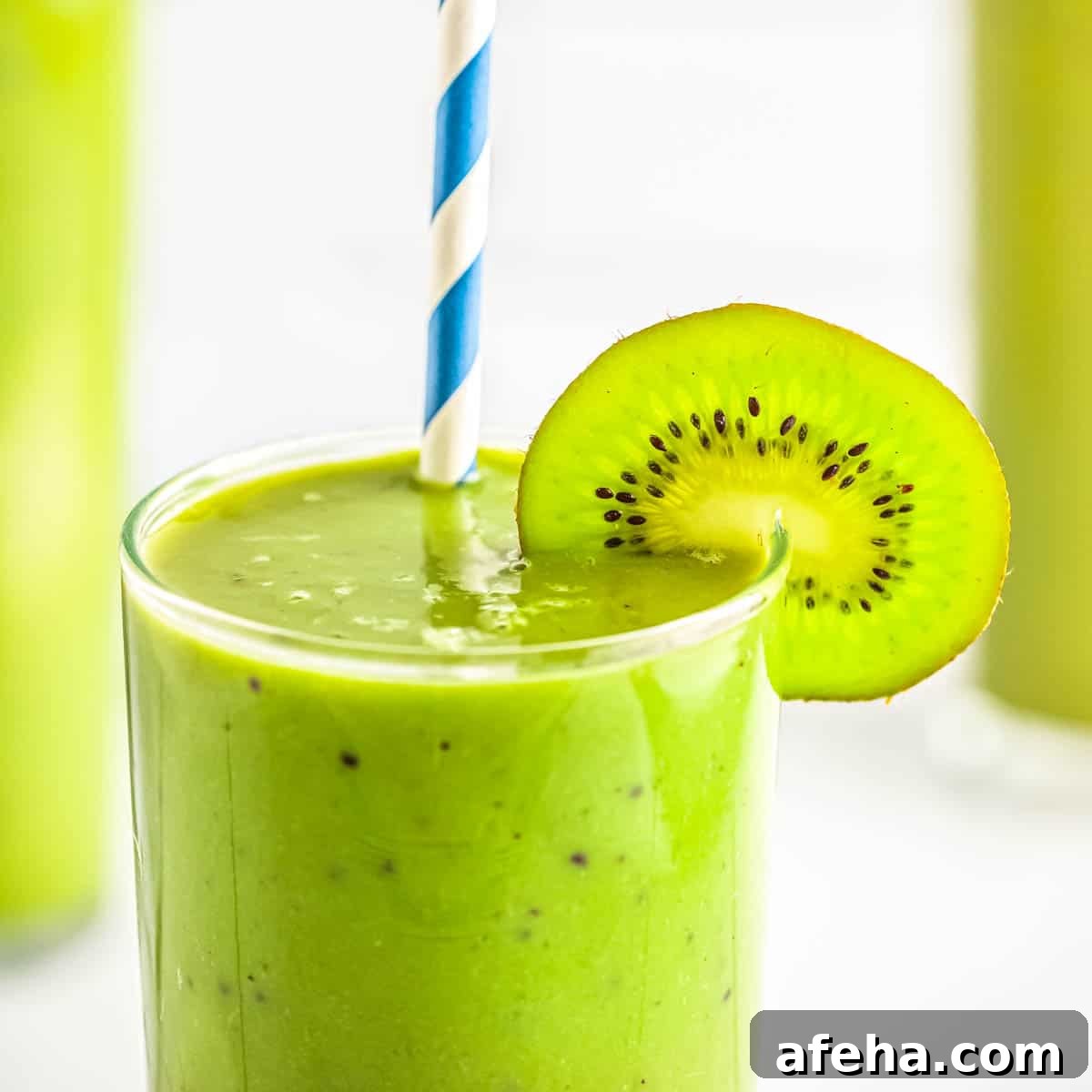
A popular example is a matcha smoothie made with banana and kiwi. The banana gives creaminess and natural sweetness while the kiwi adds bright acidity and fresh fruit flavor. Matcha contributes its green color, a gentle caffeine boost, and an umami backbone that pairs well with fruits, dairy, and plant-based milks.
✔️ How To Shop For High-Quality Matcha
Choosing the right matcha matters. Look for vibrant green color, fine texture, and minimal stem or fibrous content. Grade labeling helps: ceremonial-grade matcha is the highest quality, with a delicate, grassy-sweet flavor and vivid color that makes it ideal for drinking plain. Culinary-grade matcha is designed for cooking and baking and can be more economical while still providing flavor and color for recipes.
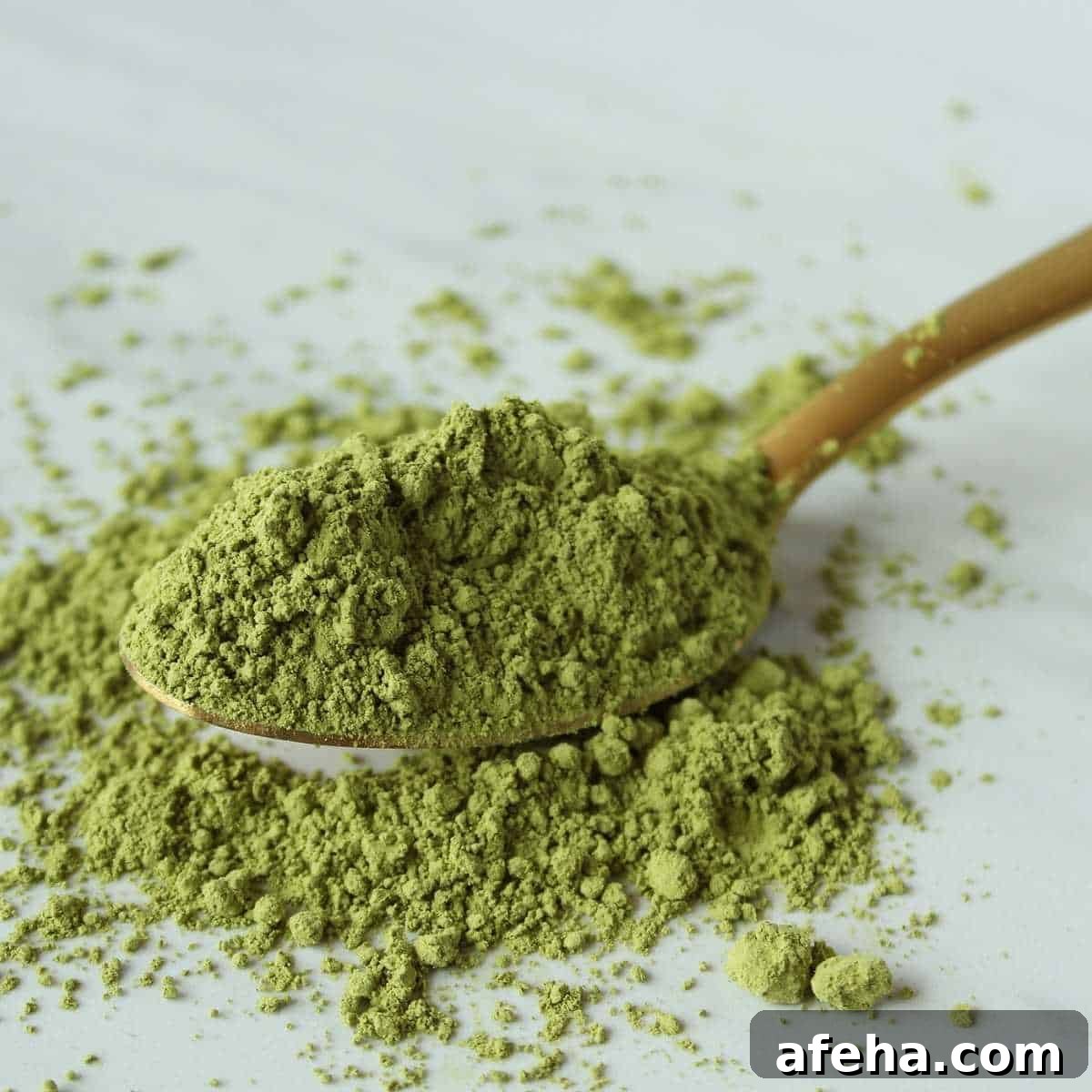
If you’re trying matcha for the first time, consider starting with a mid-range ceremonial or a higher-quality culinary matcha. Higher-grade options typically taste smoother and have less bitterness, so you can enjoy matcha without masking its flavor with excessive sweeteners.
Matcha grading is a useful guide:
- Ceremonial-grade: The finest grade, bright green, smooth and naturally sweet with strong umami. Best enjoyed whisked with hot water.
- Culinary-grade: Slightly stronger and more robust, designed to hold up in recipes, lattes, and smoothies. More affordable and versatile for cooking.
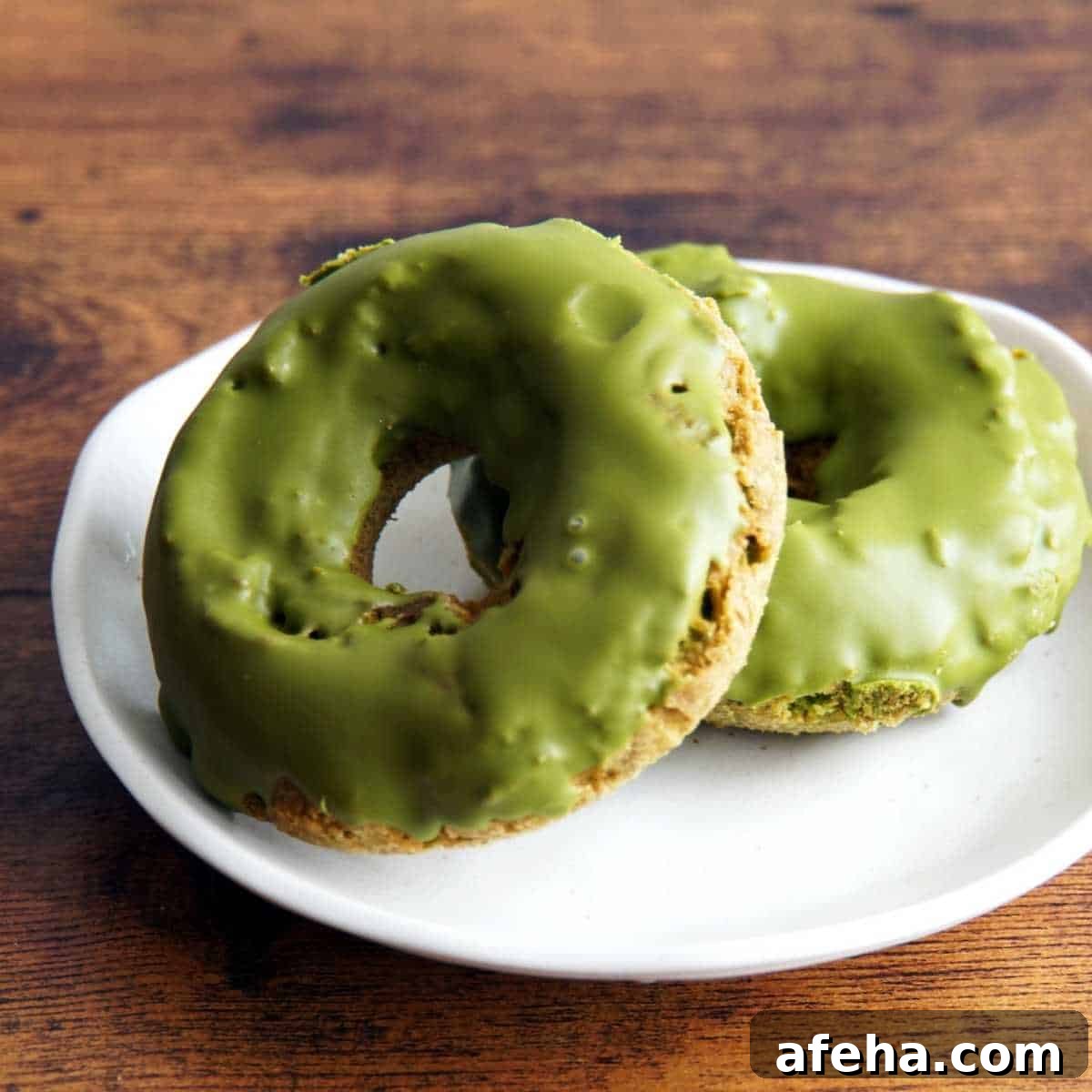
Matcha’s distinct flavor and vibrant color make it an appealing ingredient for both drinks and food. Whether you prefer it pure, in a latte, blended in a smoothie, or baked into treats, choosing the right grade and preparing it with proper water temperature will help you enjoy matcha at its best.
🍵 More Matcha Recipes You’ll Love
- Matcha Cookies with White Chocolate
- Matcha Pancakes
- Creamy Matcha Soup
- Matcha Sesame Stir Fry
- Scrambled Eggs with Matcha and Lime
- Matcha Lemon Muffins
- Baked Matcha Doughnuts
- Matcha Mug Cake
- Matcha Smoothie with Kiwi and Banana
- Coconut Banana Matcha Muffins
Thanks for reading. If you enjoy matcha, experiment with different grades and preparations to discover the flavors you like best. Happy tasting!