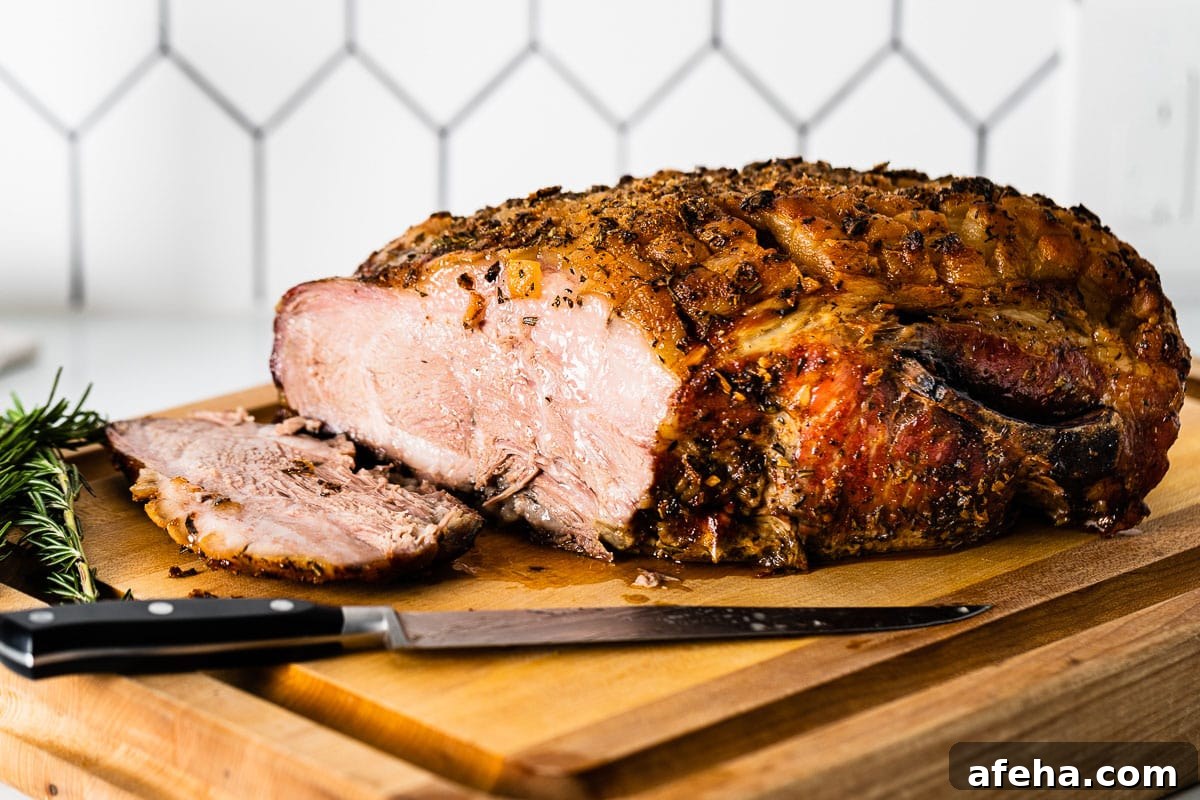
You’ve got a large, beautiful pork shoulder and probably a few questions about what to do next. This generous, budget-friendly cut is perfect for feeding a crowd, providing several family meals, or dividing and freezing for later. Whether you’re new to cooking big roasts or just want a reliable method, a low-and-slow oven roast is an easy, forgiving way to get excellent results.
Pork shoulder (also called pork butt) shines in many preparations: smoked, braised in a pressure cooker or Instant Pot, slow-cooked for shredded pulled pork, cooked sous-vide, or even cut into steaks and grilled. My preferred “set it and forget it” approach is slow roasting at a low oven temperature. A digital probe thermometer is a great investment because it lets you avoid opening the oven and guessing when the roast is done. Rubbing the shoulder with a garlic-and-herb paste the night before lets the flavors penetrate deeply, but even an hour or two before roasting yields great flavor—especially since the roast will cook for many hours.
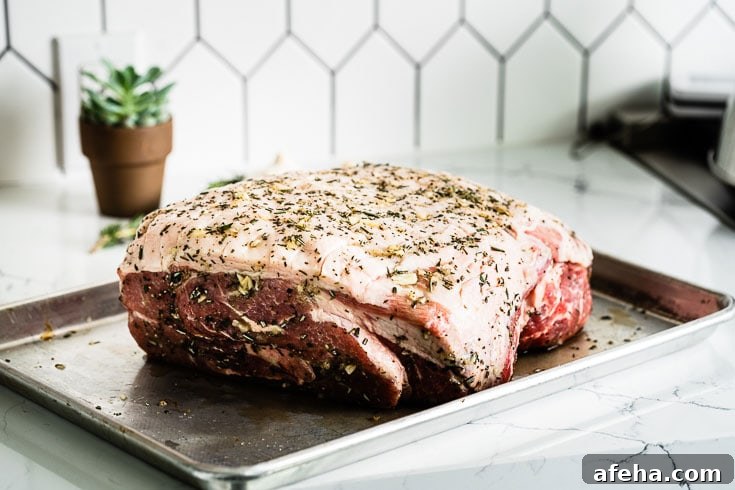
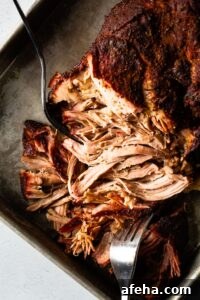
Once the pork shoulder is cooked, the possibilities are nearly endless. Slice it for a roast-style meal, shred it for tacos, enchiladas, salads, or sandwiches, or crisp up shredded pieces in a hot skillet for carnitas-style tacos. Leftovers reheat well and can even be served with eggs for breakfast. Compared to cuts like prime rib, pork shoulder is much more economical and remarkably hard to mess up. A large roast can feed many people for very little cost—this 11-pound shoulder, for example, was $16 on sale.
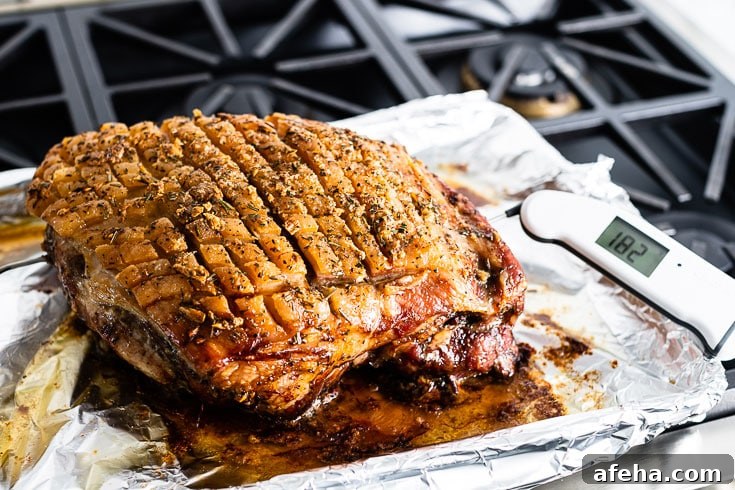
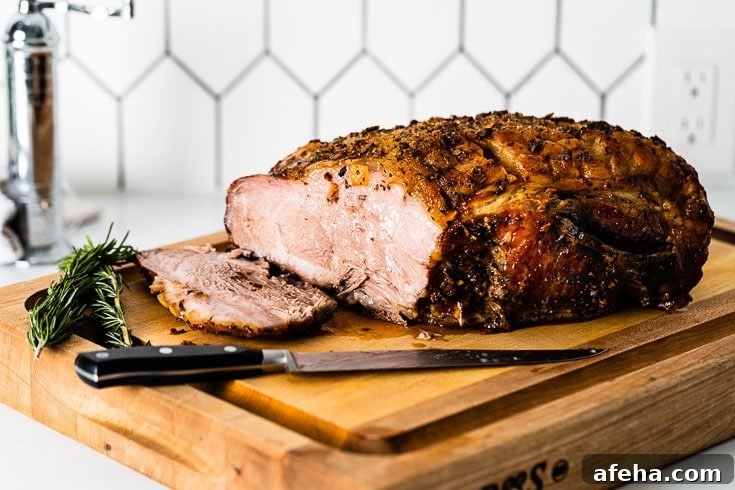
“Low and slow” yields tender, juicy meat with a crisp exterior when done right. Your preferred finish will determine the internal temperature you aim for: for a classic roast that slices nicely, remove the meat at about 185°F. For truly fall-apart pulled pork, continue roasting until the internal temperature reaches 195–205°F.
Either a Bone-In or a Boneless Pork Shoulder Will Work
Both bone-in and boneless shoulders produce great results. Boneless is convenient because all the meat is usable and there’s no bone to remove. If you roast a bone-in shoulder, the bone is easy to remove after cooking—if the meat is properly cooked, the bone should slide out with little effort.
Useful Tools & Equipment
- Sheet pan (half size) — use a pan large enough so rendered fat won’t spill over.
- Wire rack (optional) — elevates the roast so air can circulate underneath.
- Heavy-duty aluminum foil — double-line the pan for easier cleanup.
- Oven probe thermometer — lets you monitor internal temperature without opening the oven.
- Handheld instant-read thermometer — useful for spot-checking doneness when you remove the roast.
Pro Tips for Roasting Pork Shoulder
- Score the skin: Use a very sharp knife to create a 1/2″ crosshatch in the fat. This helps render fat for crisp crackling and allows seasoning to penetrate.
- Salt generously: This large roast needs ample kosher salt to season thoroughly.
- Temper the meat: Allow the shoulder to come closer to room temperature before roasting to promote even cooking.
- Prep for easy cleanup: Double-line your baking sheet with heavy-duty foil to prevent rips and simplify cleanup.
- Elevate the roast (optional): A wire rack helps air circulate, but it’s not required for a great roast.
- Ventilate: Turn on a vent hood or crack a window to exhaust strong aromas while roasting.
- Overnight roast (optional): Slow-roasting overnight at a low temperature is a convenient option if you’re short on daytime hours.
- Serve warm: Pork shoulder is best when fats are rendered and warm. Reheat leftovers in a low oven or crisp them in a skillet before serving.
Meal Plan Your Week Around This Roast Pork Shoulder
One large roast can become the center of many meals. Slice a portion for a roast-style dinner, use shredded pork for tacos, pulled pork sandwiches, enchiladas, salads, and more. The variety you can create from a single roast makes weeknight meals easier and keeps lunches interesting — plus you’ll have leftovers to freeze for another week.
Perfect Sides for Your Pork Roast
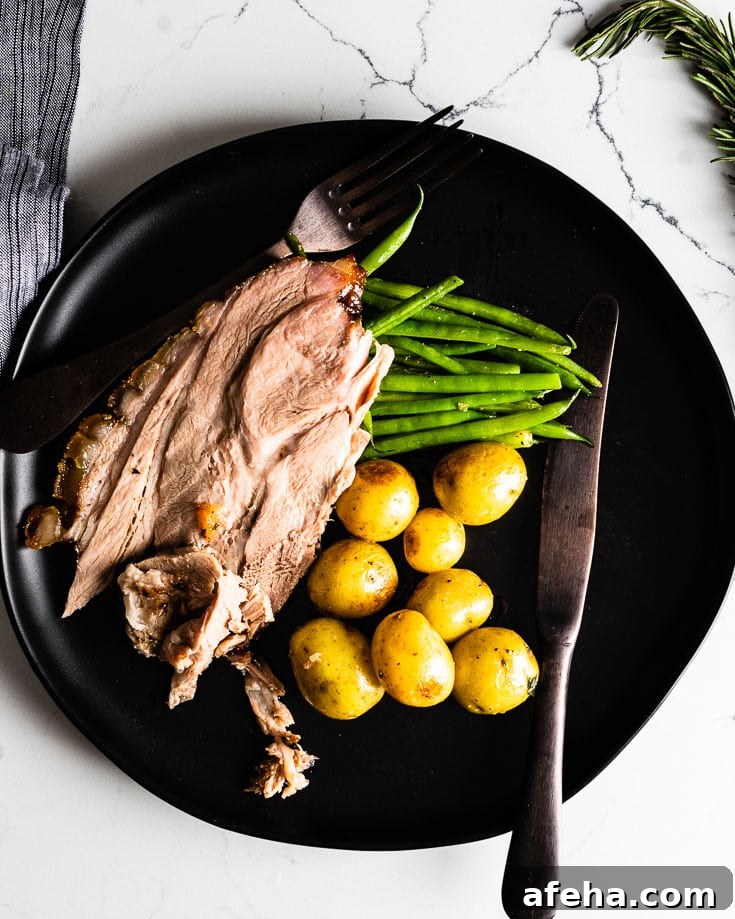
- Sauteed green beans
- Marble potatoes or roasted potatoes
- A fresh salad with bright vinaigrette
- Crispy roasted Brussels sprouts
- Creamy mashed potatoes
- Sauteed broccolini
- Roasted mushrooms with garlic and herbs
More Delicious Pork Shoulder Recipes

Smoked Pork Shoulder

Crispy Carnitas Tacos

Pulled Pork Sandwiches
Sous Vide Pork Shoulder for Smoky BBQ Pulled Pork
Check out all the pork recipes →
Roast Pork Shoulder
Share on X
Share
Print
Ingredients
- 6 to 12 pound Bone-In Pork Shoulder (this one is 11.6 lbs)
- 4 Chopped Garlic Cloves
- 2 tbsp Chopped Fresh Rosemary
- 1 tbsp Chopped Fresh Thyme
- 1 tbsp Olive Oil
- 2 tbsp Kosher Salt
- 2 tsp Sugar
- 2 tsp Ground Black Pepper
Instructions
-
Make the rub: Combine the garlic, herbs, oil, salt, sugar, and pepper in a small bowl. You can mash them into a paste with a mortar and pestle if you prefer.
-
Pat the pork shoulder dry and trim any excess fat. With a very sharp knife, score the fat side in a 1/2″ crosshatch pattern, cutting through the fat but not into the meat.
-
Apply the rub: Rub the garlic-and-herb mixture evenly over the roast. For best flavor, refrigerate uncovered overnight; otherwise let it marinate at room temperature for a few hours.
-
Preheat the oven to 275°F (135°C).
-
Cook the roast: Place the pork on a double foil-lined rimmed baking sheet or in a roasting pan. Optionally set it on a wire rack so air can circulate beneath. Roast low and slow until the internal temperature reaches about 175°F, checking with an instant-read thermometer.
-
Rest: Remove the roast and rest uncovered for at least 30 minutes. The temperature will rise another 5–10°F while resting.
-
Optional sear: If the skin isn’t as crispy as you’d like, preheat the oven to 450°F after resting and return the roast to sear. Rotate it every 5 minutes until all sides are crisped, about 10–20 minutes total.
-
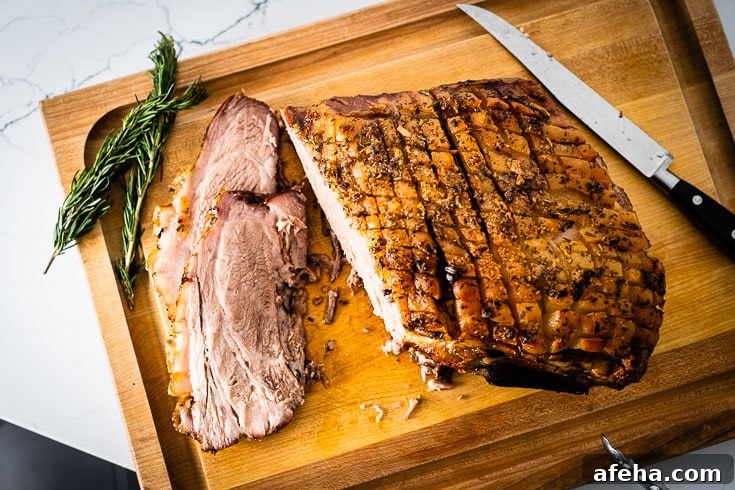
Serve: Slice against the grain for roast-style servings or shred for pulled pork. Serve warm.
Notes
- Temper the meat: Bring the shoulder closer to room temperature before roasting to promote even cooking.
- Bone-in or boneless: Either works well; boneless is convenient for slicing and shredding.
- Cook time: Expect roughly 35–60 minutes per pound at 275°F; actual times vary. An 11.6 lb shoulder took about 6.5 hours in the example.
- For pulled pork: Continue roasting until the internal temperature reaches 200–205°F for easy shredding.
- Rest uncovered: Rest the roast uncovered and unwrapped to preserve crispy skin.
Nutrition
Carbohydrates1g
Protein16g
Fat7g
Tried this recipe?
Let us know how it was!