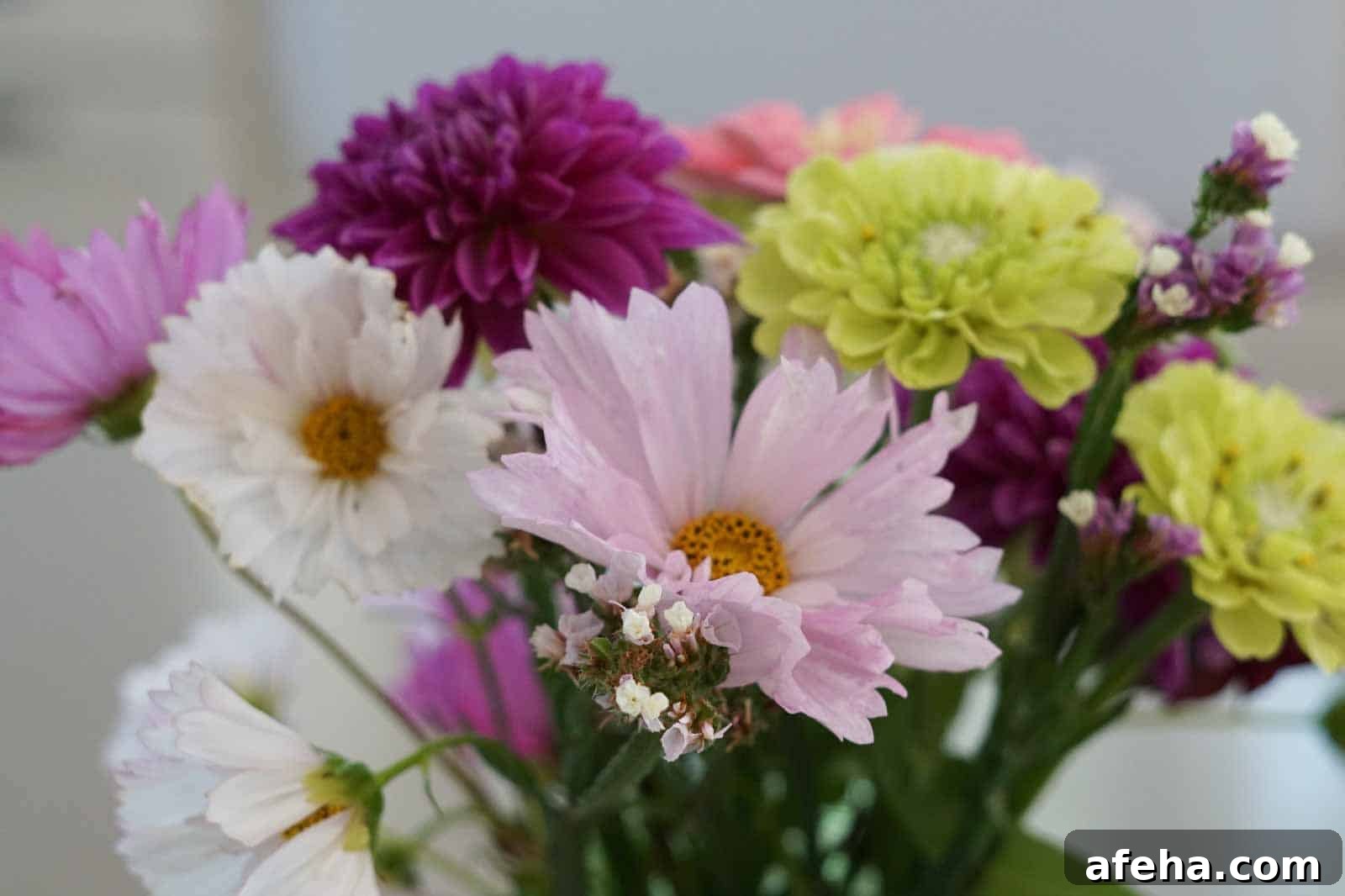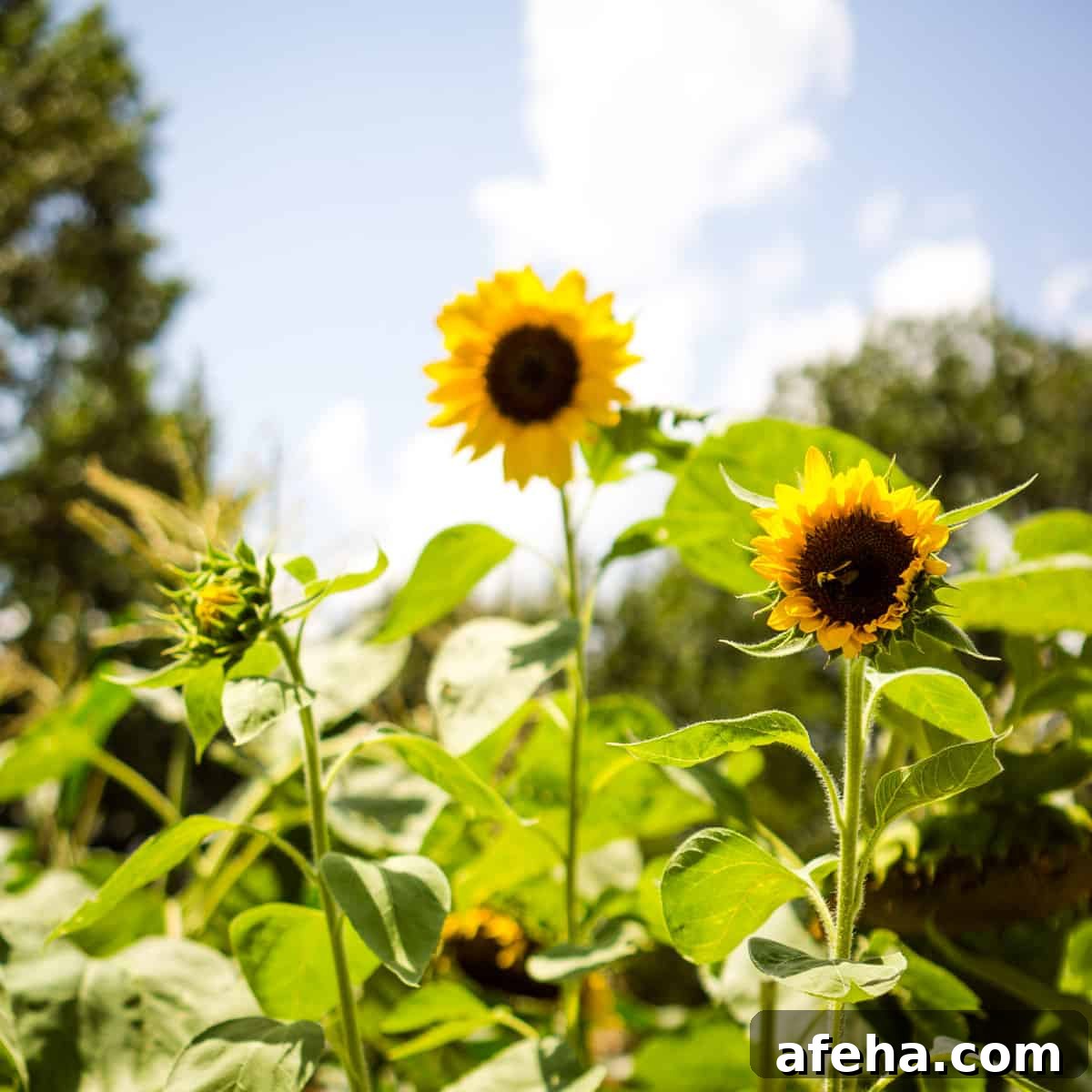
A cutting garden is a lovely addition to any outdoor space. Fresh flowers through the summer brighten your home and reward relatively little effort. Below are top flower varieties for a cutting garden, chosen for beauty, ease of growing, and suitability for cutting. All of these can be started from seed.
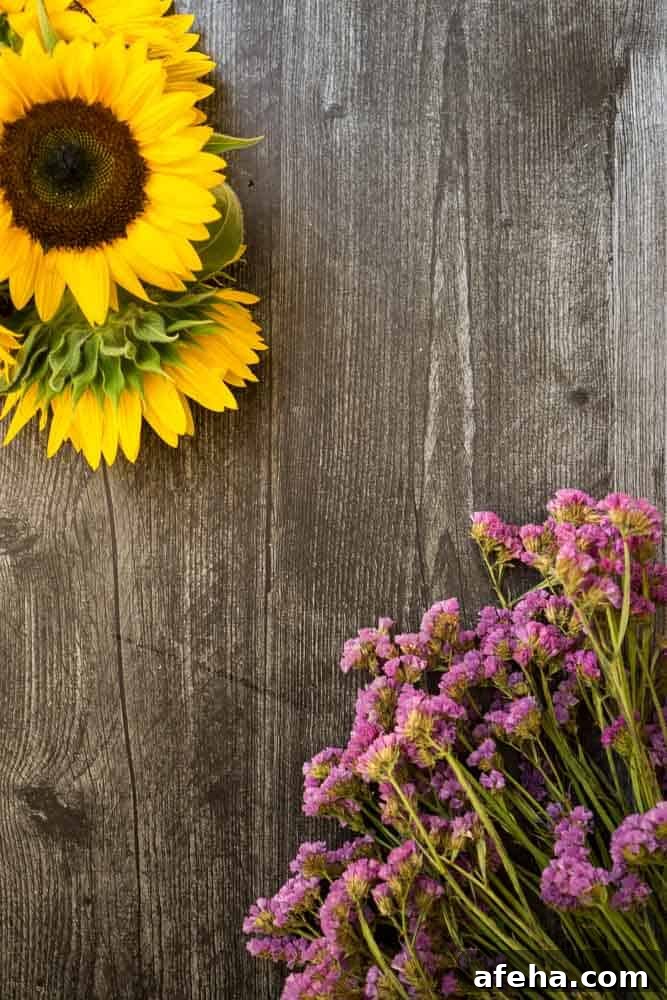
If I had to pick between growing vegetables and flowers, I’d choose flowers every time. I value fresh bouquets in the house more than the biggest vegetable harvest. Cutting flowers are often easier to grow than many vegetables, which makes them ideal if you’re new to gardening. Below I describe varieties that consistently perform well in a cutting patch.
Sunflowers
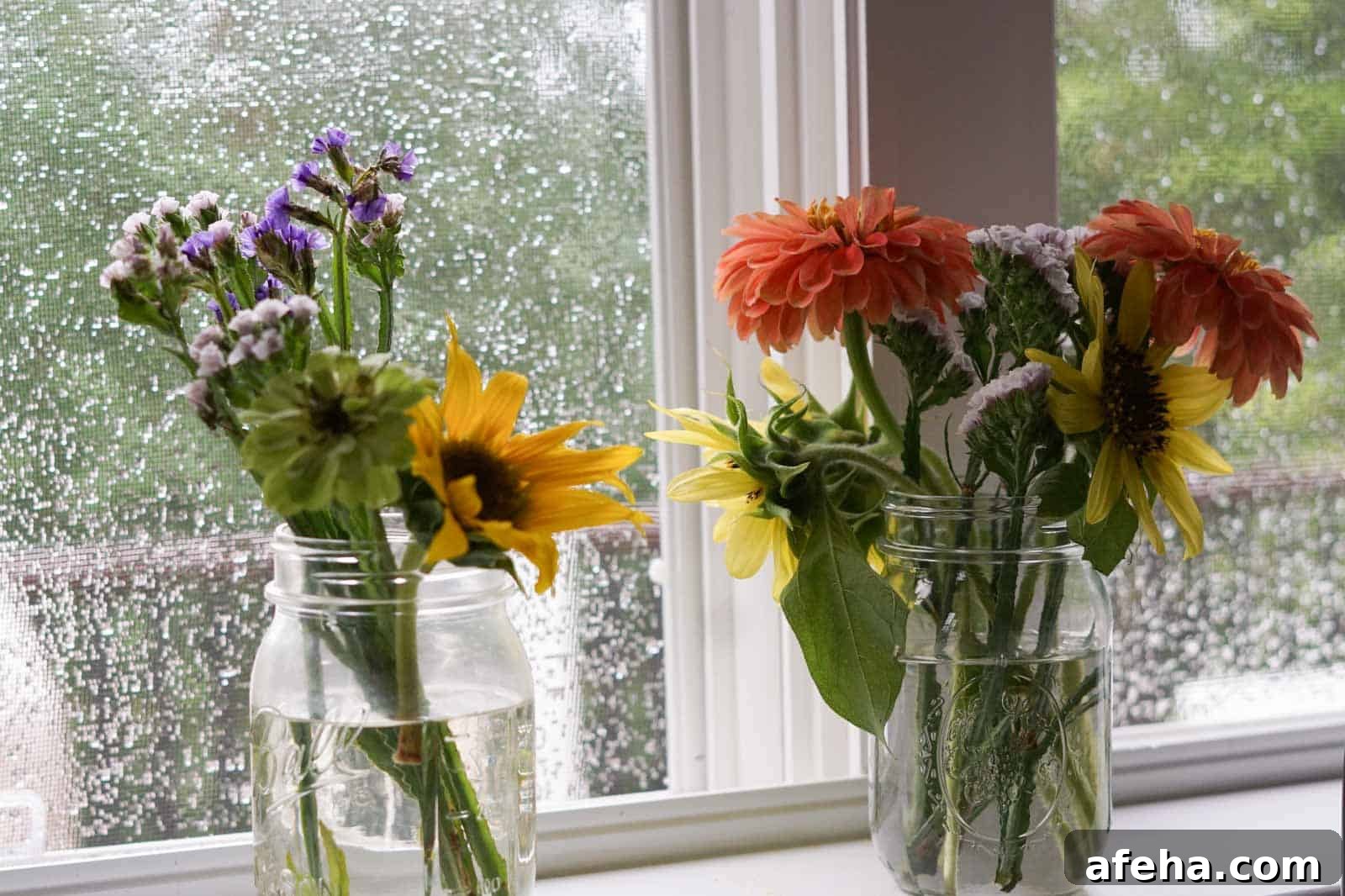
Sunflowers are a cutting garden staple, but it’s important to know there are two very different types. Both are easy to grow and useful in different ways.
Branching sunflowers
Branching types are common in home gardens. They have a thick central stalk with many side branches that produce multiple blooms over several weeks. There are hundreds of varieties and a wide range of colors. Some shed pollen and some are bred to be pollenless.
Single stem
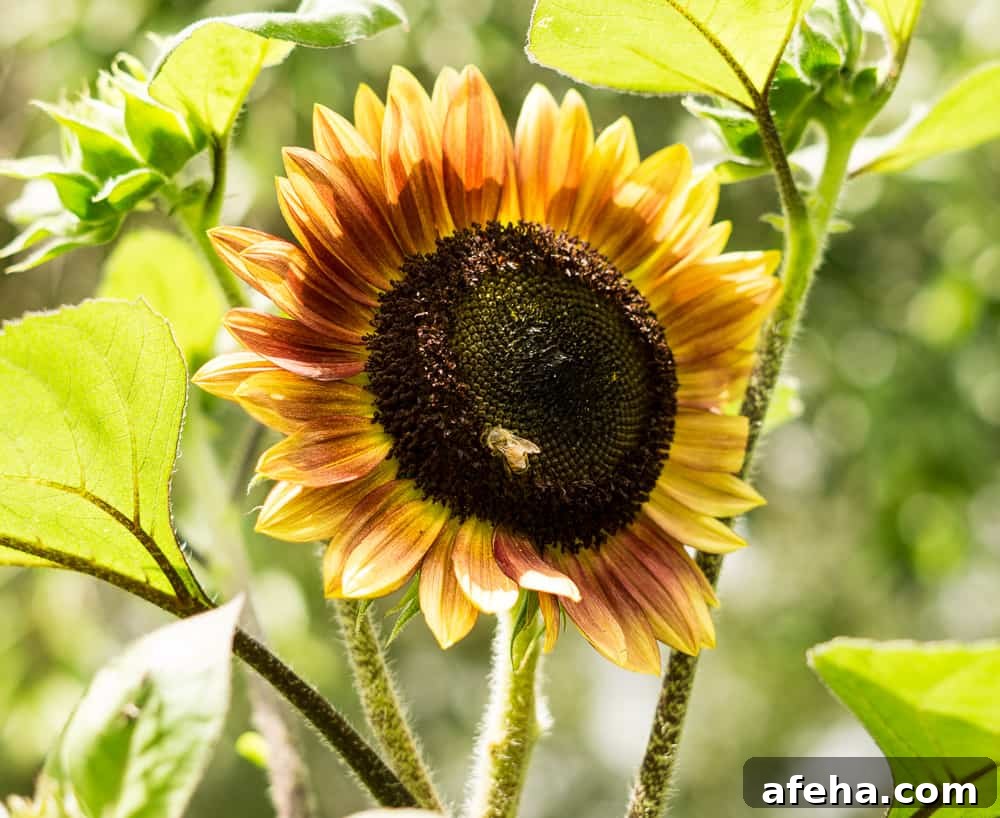
Single-stem sunflowers produce one tall stalk with a single bloom at the top. There are fewer varieties, but most colors are available. These types are typically pollenless and are the florist-quality choice for cutting.
Which sunflower variety should you grow?
Many gardeners assume branching sunflowers are best because they produce many blooms. However, branching types can be problematic for vases if they shed pollen, and their blooms are often staggered, making it hard to harvest a full bouquet at once.
I still grow branching sunflowers for garden interest and to attract pollinators, but for cutting I prefer single-stem varieties. Single-stem sunflowers produce uniform, dramatic blooms you can time to open together for a show-stopping bouquet. Plant seeds 4 to 6 inches apart in blocks so stems stay slender and blooms don’t become oversized. Most single-stem varieties are ready in under 70 days, so you can succession plant or squeeze them between other crops.
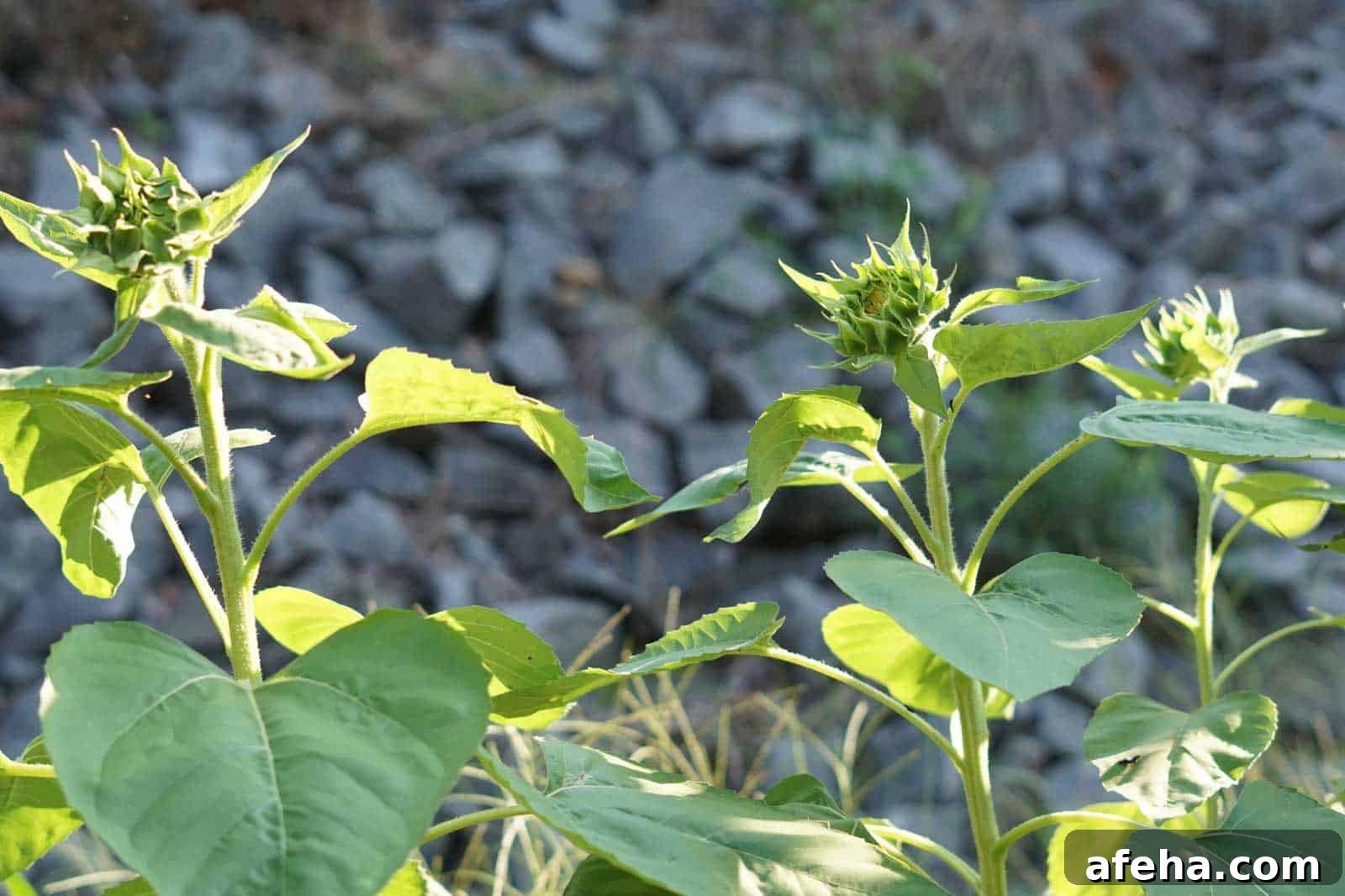
Best sunflower varieties
Branching:
- Moonwalker
- Chianti
- Lemon Queen
- Autumn Beauty
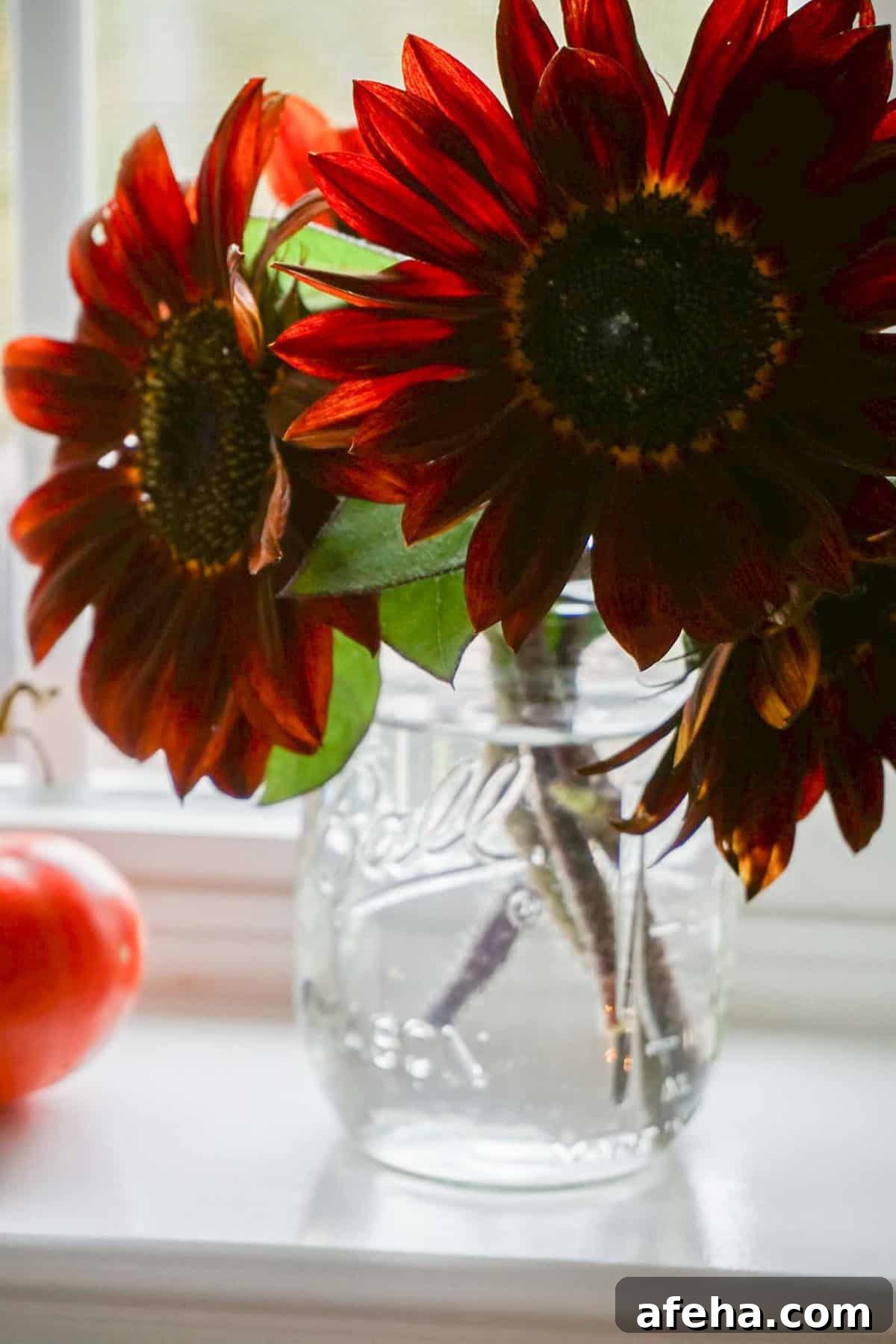
Single Stem:
- Procut Orange (classic florist sunflower)
- Procut Plum
- Procut White Nite
- Sunrich Gold
- Jua Maya (compact and fast, ready in about 45 days)

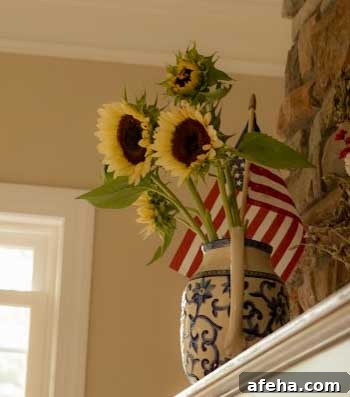
Single-stem sunflowers make a bold statement. A handful of large blooms can dominate a room with color and form.
Planning your Sunflowers
Succession planting is key. For single-stem types, check the seed packet for days to maturity to calculate harvest windows and plan plantings so blooms coincide with events. Branching types will bloom over a longer period but still benefit from staggered sowings. Consider color progression across the season—lighter shades early, deeper plums and burgundies later—so your cutting patch provides consistent visual interest through summer and into fall.
Zinnias
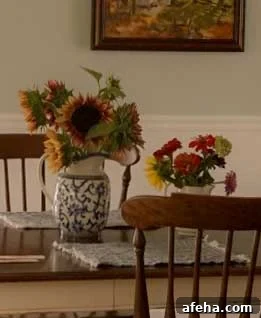
Zinnias are probably the second most popular cut flower for home gardeners and one of the easiest to grow. If you’re starting a cutting garden, zinnias are an excellent first choice. Most zinnia types are suitable for cutting, except the tiny mini varieties. They come in a wide range of colors and forms, and they’re prolific.
Below are some reliable varieties I recommend.
Favorite zinnia varieties for cutting:
- Benary Giant series
- Tequila Lime
- Señora
- Benary’s Giant White
- Queen Lime Red
Planning your zinnias
Think about color when ordering seeds. Many zinnia mixes skew toward pinks and yellows; if you already have lots of yellow from sunflowers you may want to balance with other hues. Plant in succession for continuous blooms and remove early-season varieties later if you prefer different late-season colors.
Cosmos
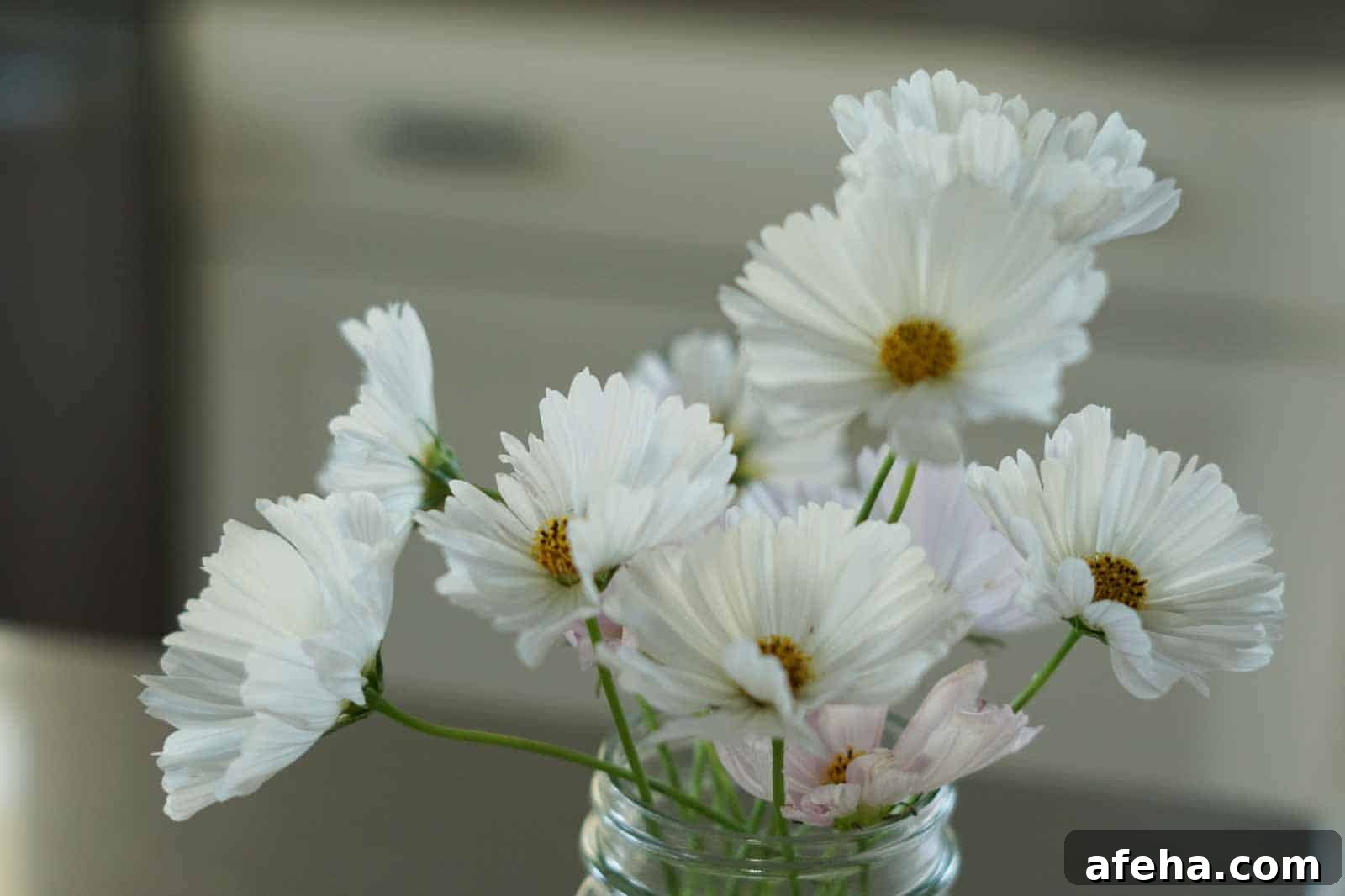
Cosmos are elegant and airy, a lovely contrast to the bold forms of sunflowers and zinnias. They come in single and double types—the single forms are classic and clean, while doubles have a ruffled look. Cosmos are usually pinks and whites and make excellent filler flowers in bouquets. They’re easy to grow and thrive when planted in masses.
Best Cosmos Varieties for cutting
- Cupcakes Mix
- Fizzy White
Most cosmos varieties are similar in habit and appearance, so any reliable seed source will do. Include a few in your cutting patch for delicate texture and movement in arrangements.
Planning your Cosmos
Because cosmos colors are limited, there’s no need to plant huge amounts unless you particularly love their palette. Use them to complement bolder blooms and as long-stemmed filler for bouquets.
Other Flower Varieties for cutting
While I focused on three of the easiest and most prolific cutting flowers, many other varieties are worth trying as you expand your patch:
- Dahlias
- Stock
- Bachelor’s Buttons
- Asters
- Sweet Peas
- Roses
Make room for cutting flowers in your garden this year. They can share space with vegetables or occupy their own beds. Flowers often thrive in soil that’s not ideal for heavy-feeding vegetables—avoid overly rich soil for many cut varieties—and success mostly requires sun, regular water, and good timing.
Give cutting flowers a try and enjoy how much joy a simple vase of fresh blooms can bring into your home.