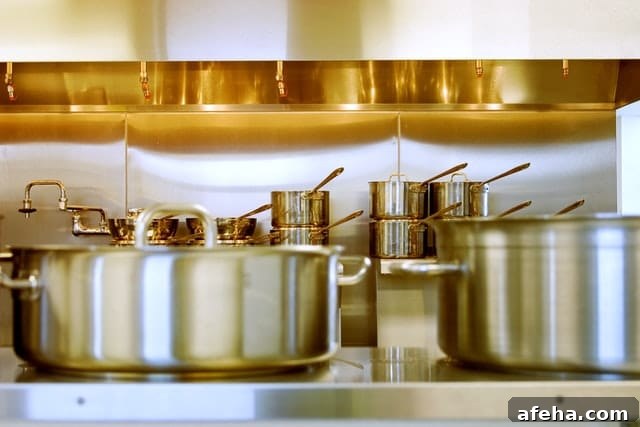
Upgrading your pans and pots makes cooking easier and helps you prepare better dishes more quickly.
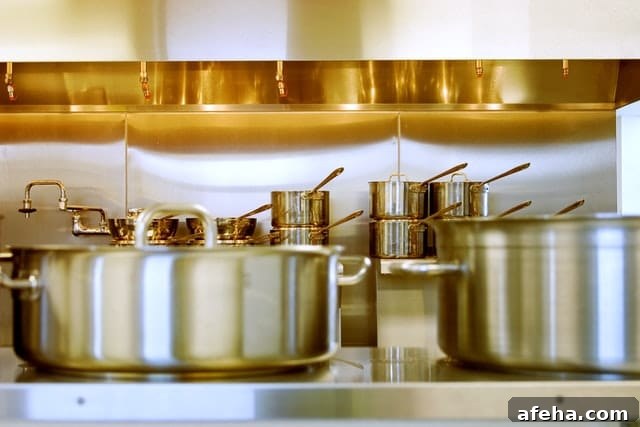
Pots are typically used for boiling, simmering, and slow cooking, where heat is applied over a longer period. Pans are designed for quicker, higher-heat work such as frying, searing, and sautéing. Because pots and pans come in many shapes, sizes, and materials, choosing the right pieces for your kitchen can significantly affect the results of your cooking.
The material, construction, and design of cookware determine how it conducts heat, how long it lasts, and how easy it is to use and maintain. Below is a practical guide to the key qualities to look for and the common materials and types of pots and pans you might consider for different cooking tasks.
The Qualities You Should Look For
Brand names matter less than the specific features that make cookware reliable and comfortable to use. When shopping, focus on these important qualities:
1. Sturdy, Heat-Resistant Lid
A good pot should come with a strong lid that resists heat, often tempered glass or a tightly fitting metal lid. A well-sealed lid traps steam and heat, helping food cook evenly and efficiently. A lid that lets heat escape will prolong cooking time and can lead to uneven results.
2. Comfortable, Heat-Safe Handles
Look for handles with a secure grip and materials that don’t conduct heat easily. Rubberized or silicone-coated handles reduce the chance of slipping and make it safer to move hot cookware. The handle length and balance should feel comfortable for the way you cook—whether you flip, lift, or stir frequently.
3. Non-Reactive Cooking Surfaces
Reactive metals can alter flavors and, in some cases, interact with acidic ingredients. Non-reactive materials such as stainless steel and anodized aluminum are good choices when you frequently make tomato-based sauces or other acidic foods. These materials help preserve both flavor and food safety.
4. Heavy-Gauge Construction
Cookware with thicker gauge or heavier construction spreads heat more evenly and resists warping. Thin pans tend to develop hot spots and can warp or dent under intense heat, which leads to uneven cooking. Heavier cookware provides more consistent results and longer durability.
5. Responsive Heat Behavior
For tasks like sautéing, you want cookware that responds quickly to temperature changes. A responsive pan cools down or heats up in line with adjustments to your stovetop, helping you avoid overcooking or burning delicate ingredients. Materials with good thermal conductivity and correct thickness offer better control.
Common Cookware Materials
Stainless Steel
Stainless steel is durable, non-reactive, and easy to maintain. While not the best conductor of heat on its own, multi-clad or bonded stainless steel with an aluminum or copper core improves heat distribution while keeping the non-reactive surface you want for many dishes.
Copper
Copper conducts heat exceptionally well and responds quickly to temperature changes, making it prized by professional cooks. Because copper is reactive with acidic foods, it is often used as a base layer beneath a non-reactive lining.
Aluminum
Aluminum is lightweight and an excellent heat conductor. Untreated aluminum can react with acidic or alkaline foods, so it’s often found in anodized form or with a non-reactive coating to combine performance with safety.
Anodized Aluminum
Anodized aluminum retains aluminum’s excellent heat conduction while creating a harder, non-reactive surface that resists scratching and staining. It’s a practical choice for everyday cookware.
Nonstick Coatings
Nonstick surfaces reduce the need for oil and make cleanup easier. They retain heat differently from bare metals, so follow manufacturer guidance on heat limits and utensil use to maintain the coating’s lifespan.
Types of Pans and Pots for Different Needs
Frying Pan
A frying pan or skillet is one of the most versatile tools in any kitchen, used for eggs, pancakes, searing meats, and quick one-pan meals. Frying pans come in nonstick, ceramic, stainless steel, and cast iron. Cast iron is popular for its durability and heat retention, while nonstick pans are convenient for low-fat cooking and easy cleanup.
Roasting Pan
Roasting pans are large, sturdy vessels designed for oven use and for cooking larger cuts of meat or poultry. Their wide base and high sides accommodate basting and even roasting, and many are constructed from materials that handle high oven temperatures well.
Saucepan
Saucepans have higher sides and a longer handle than a frying pan, making them ideal for simmering sauces, heating soups, and cooking grains or pasta. Multi-clad stainless steel saucepans combine even heat distribution with a non-reactive cooking surface.
Choose Cookware Based on What You Cook
Consider what you make most often. Sauces, pastas, and sautés all benefit from different pan characteristics. If you cook frequently and make a variety of dishes, it’s worth investing in a small set of quality pieces that cover boiling, sautéing, frying, and roasting. No single pan suits every purpose, so prioritize the types you use most.
Final Thought
Investing in the right pans and pots improves cooking efficiency and the quality of your finished dishes. Focus on durable construction, non-reactive surfaces, comfortable handling, and materials that match your cooking style to build a functional and long-lasting cookware collection.