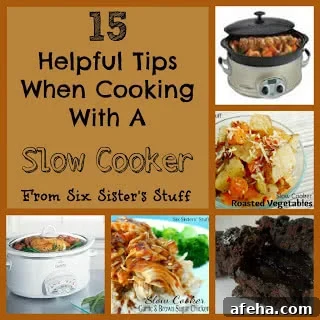
I first discovered slow cooking from watching cooking shows with my parents. One episode showed a family preparing a slow-cooked meal and emphasized food safety, using an instant-read thermometer, and how inexpensive cuts of meat can taste fantastic when cooked properly. Inspired, I convinced my mom to try a pot roast in her slow cooker. She carefully selected the right cut of meat, added vegetables, and allowed the dish to cook all day. The aroma when I returned from school was irresistible. Waiting made the meal worth it: the long, low cooking time turned a modest cut into a tender, flavorful pot roast.
At around 16 I started cooking for myself. My mom taught me the basics, and I was surprised how quickly I picked it up. The crock pot is forgiving: many ingredients can simply be combined and left to cook. Some recipes are simple, others more complex, but the slow cooker adapts to both. Over the years I’ve gathered tips and techniques that make slow-cooked food consistently better, and I’ll share those below.
On this site you’ll find many slow cooker recipes—from dishes with dairy like sour cream and Parmesan to meals built around root vegetables and fresh herbs. Slow cookers are versatile and easy to use, but applying a few sensible tips will improve results. Whether you’re new to slow cooking or experienced, these guidelines will help you make tastier, safer meals with less effort.
1. Temperature guide: Most slow cookers have a high setting around 300°F and a low setting near 200°F. Use these as general references; specific models vary slightly.
2. Time conversion: One hour on high is roughly equivalent to 2 to 2½ hours on low. Plan accordingly when converting recipes.
3. Don’t lift the lid: Every time you remove the lid it can take 15–20 minutes for the cooker to regain lost heat and steam. Only peek when necessary.
4. Browning improves flavor: Searing meat, onions, and some vegetables before adding them to the slow cooker enhances depth of flavor. It’s optional—recipes still turn out fine without it—but browning is worth the extra step for richer results.
5. Seasoning tips: Whole herbs and herb sprigs hold up well and gain flavor during long cooking. Ground spices tend to lose intensity; add them during the last hour and adjust seasoning just before serving.
6. Great for side dishes: Slow cookers excel at sides like baked potatoes. Clean potatoes, place them in the cooker, cover, and cook all day. Use them for mashed potatoes, potato salad, or simple baked potatoes.
7. Liquids don’t reduce easily: Because the lid traps steam, liquids don’t evaporate much during slow cooking. If a dish is too thin at the end, remove the lid, set the cooker to High, and cook briefly to reduce the liquid.
8. Best cuts for slow cooking: Tougher, less expensive cuts (like chuck roast or pork shoulder) become tender when cooked low and slow. Cooking on Low for 6–8 hours generally produces more tender results than High for 3–4 hours.
9. Keep your kitchen cool: Slow cookers generate less ambient heat than an oven, which helps keep your house cooler in warm weather. Plus, they fill the home with appetizing aromas all day.
10. Easy cleanup: Crock pot liners make cleanup very simple and do not affect cooking. If you don’t have liners, a generous spray of cooking oil or nonstick spray on the insert helps reduce sticking.
11. Layering matters: Food at the bottom of the crock typically cooks faster and becomes more tender. For many recipes, place meat and sturdy vegetables on the bottom unless the recipe specifies otherwise.
12. Cut vegetables evenly: Chop hard vegetables to similar sizes so they cook at the same rate.
13. Add delicate vegetables late: Tender vegetables like tomatoes, mushrooms, and zucchini can become mushy if cooked too long. Add them during the last hour of cooking.
14. Fill level: For best results, fill the slow cooker between half and three-quarters full. If the pot is less than half full, cooking time will be shorter and food can overcook or burn.
15. Choose the right slow cooker: Slow cookers come in many sizes and styles. Research models and ask friends or family for recommendations to find one that suits your needs.