Food waste is a serious problem. Recent research shows Canada ranks among the highest producers of wasted food, a reputation we should work to change.
Canadians waste more food than we eat.
According to the 2019 report The Avoidable Crisis of Food Waste by leading Canadian researcher Martin Gooch, about 58% of food produced in Canada is wasted. After removing inedible parts such as bones and peels, the edible share of that waste is roughly 32%, which amounts to approximately 11.2 million tonnes of usable food sent to landfill. This is both an environmental and a human tragedy.
While the food industry is responsible for a significant portion of this waste, households also contribute. Recent work from Second Harvest Food Rescue and the Value Chain Management Institute uses industry data rather than estimates and paints a stark picture:
- Canada wastes the equivalent of $50 billion in usable food every year
- This estimate does not include input costs such as water, energy, fertilizer, labour, nor disposal fees or environmental impacts
- Consumers are responsible for about 21% of overall usable food waste
- The average household discards roughly $1,766 worth of food annually
The food sector must act, but so must we. Here are practical, simple strategies to reduce waste at home.
Reducing Food Waste at Home
Awareness is the first step. Researchers at the Guelph Food Waste Project emphasize that thinking about our habits and talking about food waste reduces it. Small changes add up quickly.
Personally, being more mindful about food and watching the documentary Just Eat It helped me change habits and avoid wasting more food at home.
Below are useful tips shared on CTV Morning Live and gathered from practical research and experience.

1. Plan Ahead
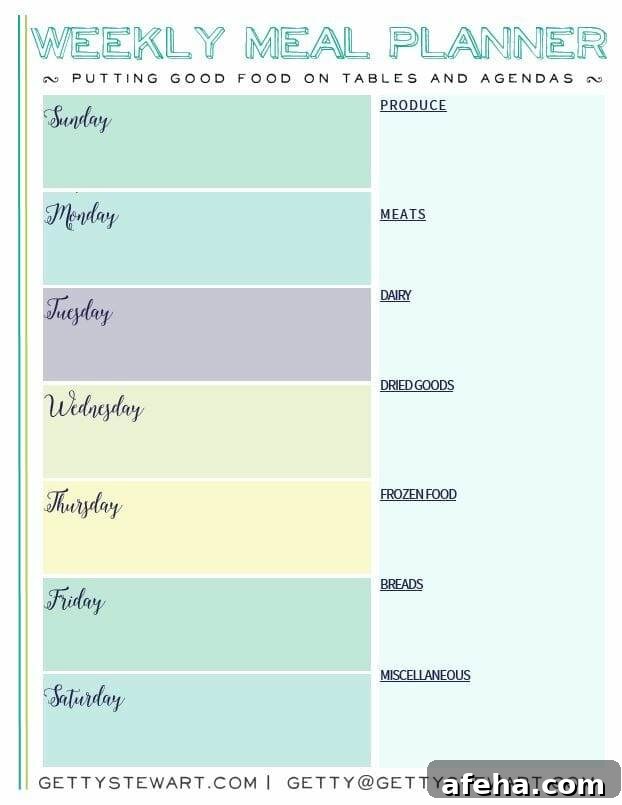
Make a simple meal plan. You do not need to plan every night—five meals for the week is a realistic target because most weeks include nights out, leftovers, or flexible meals. Start with ingredients you already have in the pantry, fridge, and freezer. Meal planning makes shopping and meal prep easier, reduces the stress of deciding what to cook, and cuts waste.
If you prefer a template, use a printable weekly meal planner to guide shopping and cooking choices.
2. Store Food Properly
We often buy fresh fruits and vegetables and then forget about them. Proper storage preserves quality and extends shelf life, saving money and nutrition.
Fresh produce ranks high among commonly wasted foods. A 2017 National Zero Waste Council breakdown shows the largest categories by weight include vegetables (30%), fruit (15%), leftovers (13%), bread and bakery (9%), and dairy and eggs (7%).
To put scale on that loss, Canada wastes hundreds of thousands to millions of individual items daily — from heads of lettuce to loaves of bread and cups of milk. The reasons are varied: overbuying, poor storage, confusion over date labeling, and not knowing how to use leftovers.
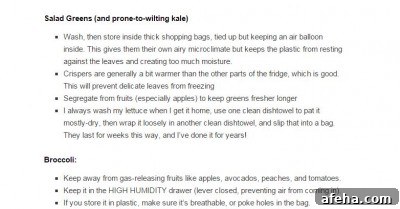
The University of Guelph Food Waste Research Project offers many practical storage tips to help extend the life of produce and reduce waste.
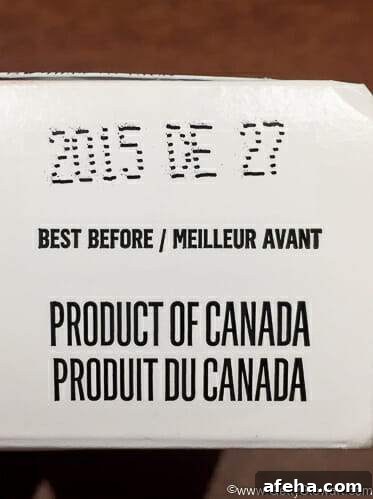
3. Be “Best Before” Savvy
“Best before” dates indicate quality, not safety. They reflect how long an unopened product is likely to retain taste and texture under recommended storage conditions. Once a package is opened, the best-before date is less relevant; use your senses and judgement to decide if food is still fine to eat.
By law in Canada, pre-packaged foods that will keep fresh for 90 days or less must carry best-before dates. Long-life items such as canned goods and dry pasta often do not require them. Expiration dates are reserved for a few specific products like infant formula and certain nutritional supplements; those should be discarded after the date.
Best before does not mean unsafe after. Use common sense when assessing food quality.
4. Buy Less — Buy Smarter
Bulk deals can be tempting, but only if you can use the extra food before it spoils. A sale that leaves you throwing items away is not a bargain. Consider whether you can split bulk purchases with friends or family, or choose smaller quantities to avoid waste.

5. Reduce and Use Leftovers
Leftovers can be a huge advantage if prioritized. Plan meals to create intentional leftovers you will use: double a recipe and freeze the extra, or repurpose leftovers into new dishes. Mashed potatoes become patties that can be frozen and reheated; extra spaghetti sauce can become chili midweek.

Make leftovers part of your meal plan so they don’t get lost at the back of the refrigerator.
Use leftovers to reduce food waste, not to add to it.
6. Make Soup
Soup is an excellent way to use odds and ends. Start with aromatics, add heartier vegetables first, then incorporate softer vegetables, cooked grains or proteins, and finish with herbs or cream. Soups are forgiving and flexible, and they freeze well for future meals.

7. Preserve Food
If you cannot eat produce before it spoils, freeze it. Many vegetables, fruits, cooked sauces, and leftovers freeze well. Some items, such as carrots, peas, and green beans, benefit from blanching before freezing, but many foods can be frozen raw when prepped properly. Label and date containers and try to use frozen items within a month or two so they don’t get forgotten.
Onions and ginger freeze well and are easy to grate or chop directly from frozen. Cooked wine, citrus wedges, and many cooked meals also freeze successfully.


These practical steps—planning, proper storage, smarter shopping, using leftovers, making soups, and preserving food—can dramatically reduce household food waste. Also, embrace imperfect produce: misshapen or oddly sized fruits and vegetables are still nutritious and delicious.

There are many additional small changes you can adopt. What foods do you often throw away? What techniques have helped you cut waste at home? Share your ideas and help others reduce food waste too.
Sources
The Avoidable Crisis of Food Waste, 2019 (Second Harvest & Value Chain Management Institute); University of Guelph Food Waste Research Project; Value Chain Management reports; National Resources Defense Council; Food Banks Canada; Canadian Food Inspection Agency.
Original post October 2015, edited January 28, 2019.
Want to learn more? Consider a workshop on reducing food waste. Getty Stewart is a professional home economist, cookbook author, workshop leader and speaker who offers practical tips and hands-on sessions to help households reduce waste and cook more effectively.